


Festa delle Marie 2027 will be one of the most important historical cel Read more [...]
-
About
Table of Contents
The Carnival of Venice 2027 (Carnevale di Venezia 2027) is officially scheduled to take place in Venice, from January 23 to February 9, 2027.
The Carnival of Venice is one of the oldest and most internationally recognized cultural festivals in the world, rooted in centuries-old Venetian tradition with public spectacles, masked parades, historical pageantry, and a schedule of events designed to animate the entire city.
During the festival period, Venice’s principal public spaces – especially St Mark’s Square – transform into stages for street performances, costume exhibitions, and live music.
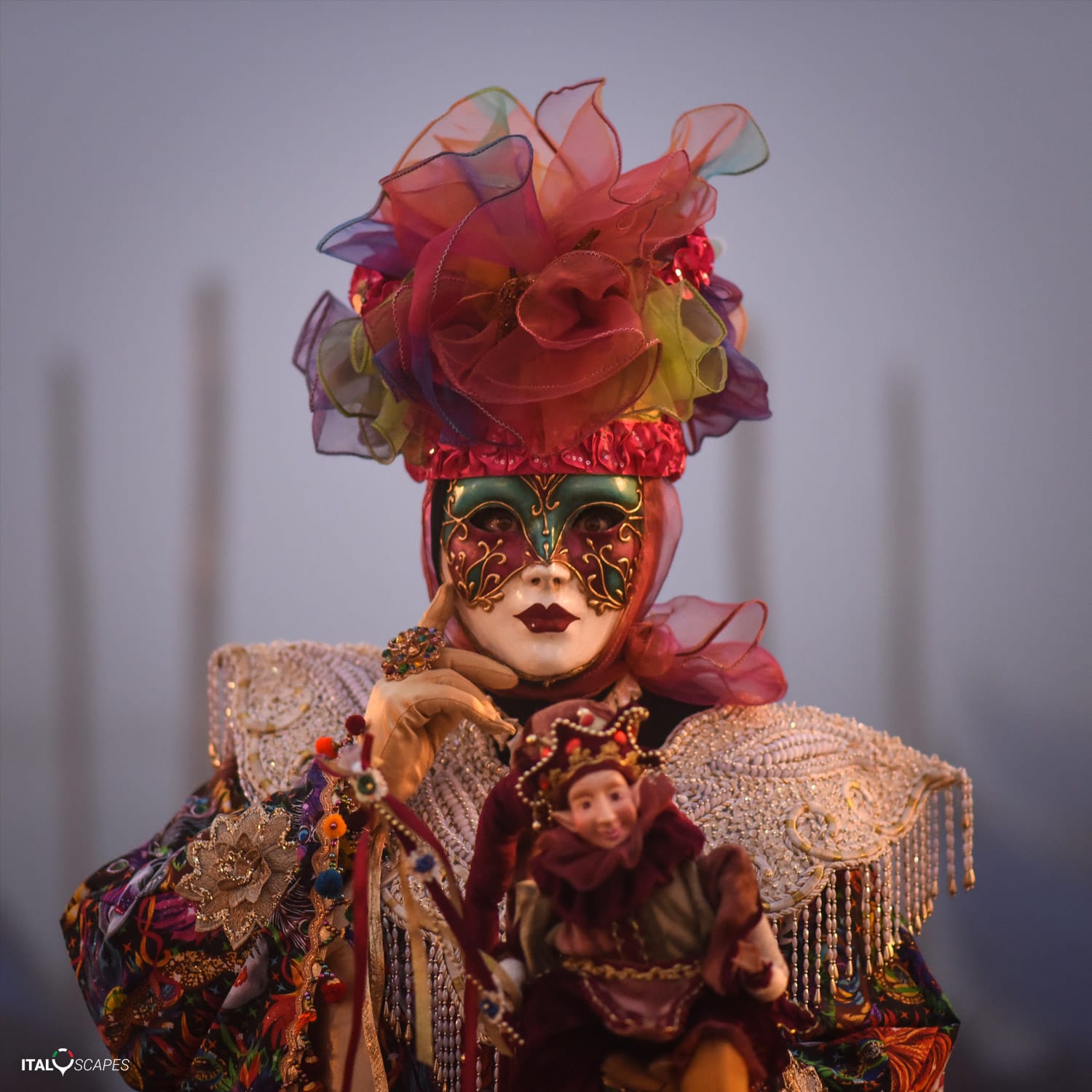
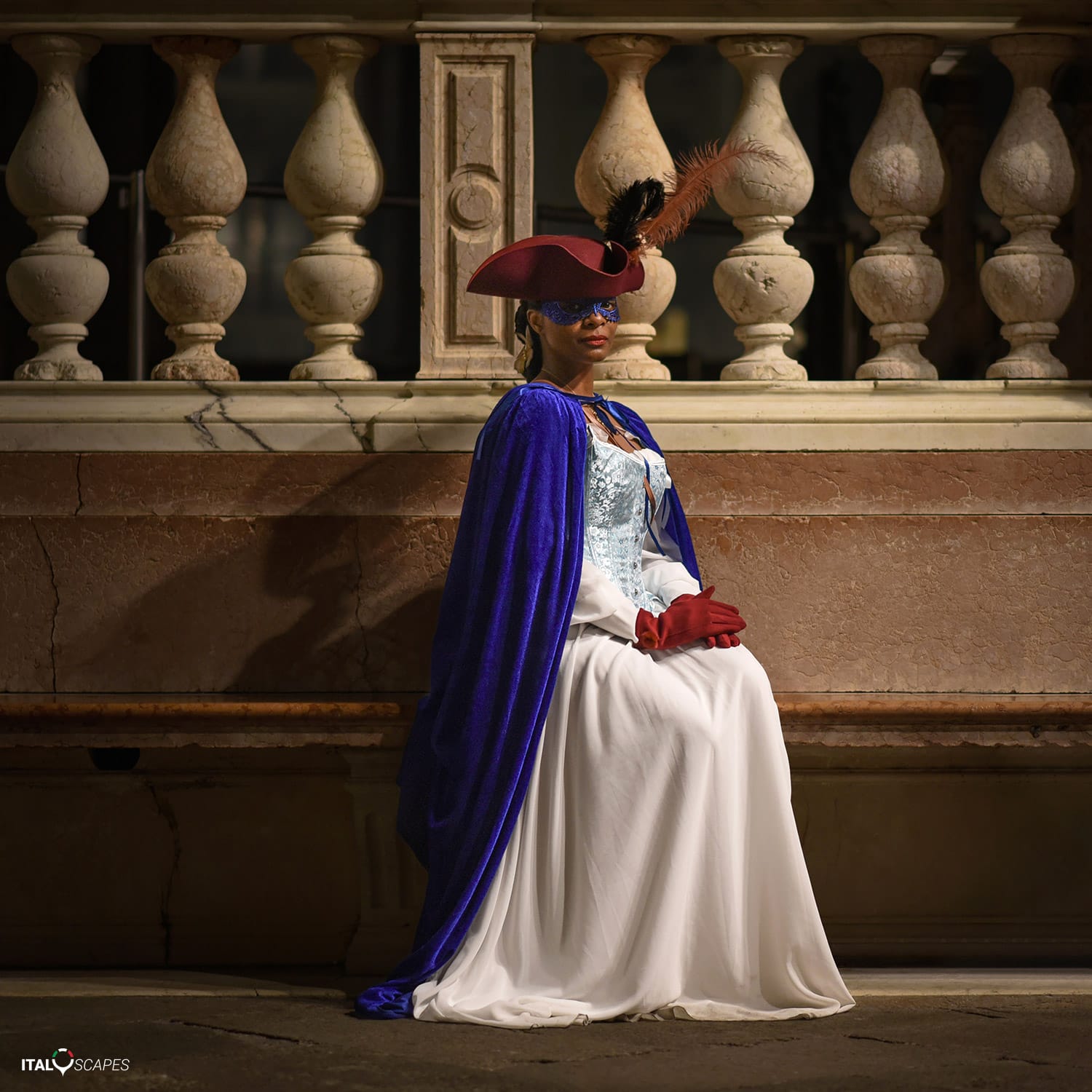
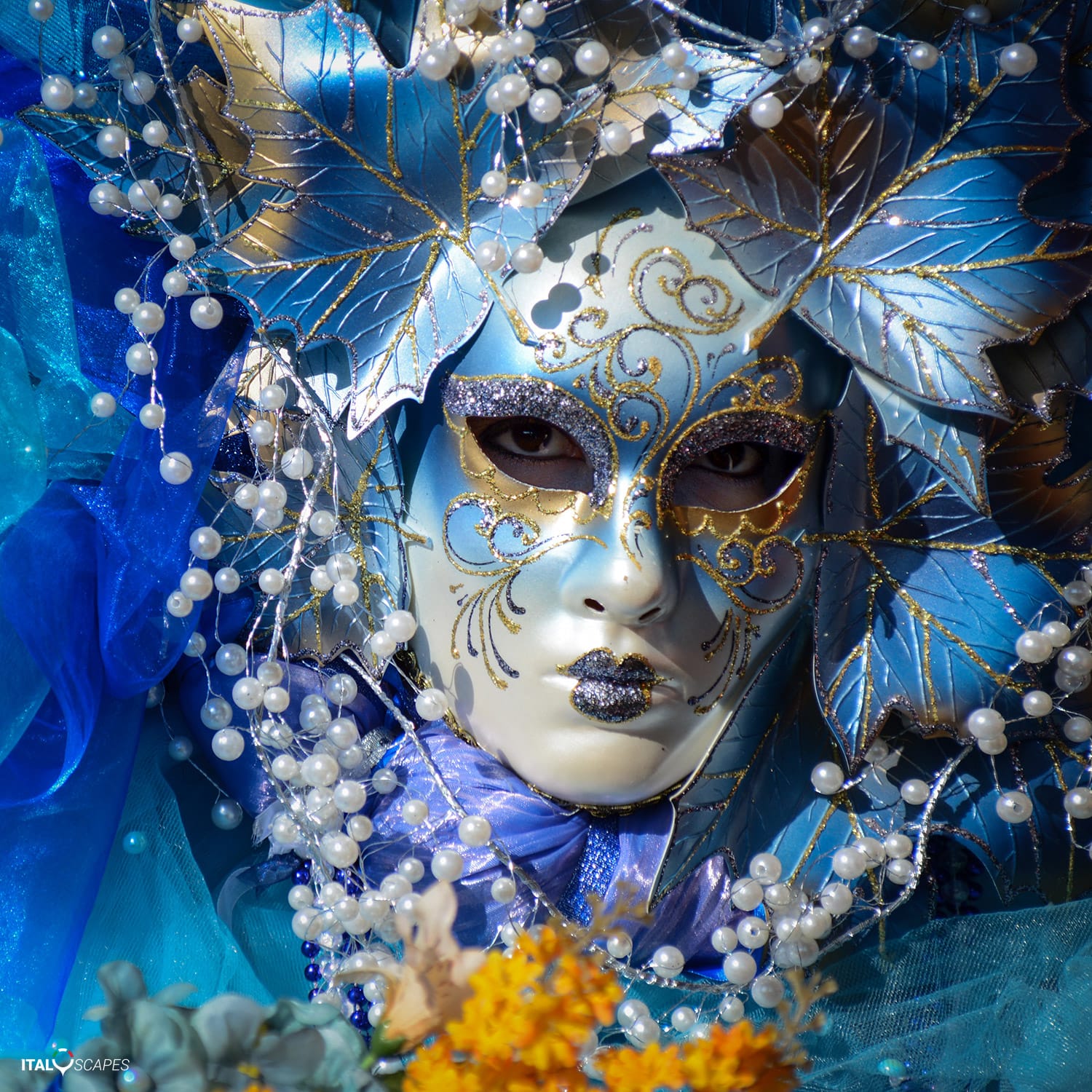
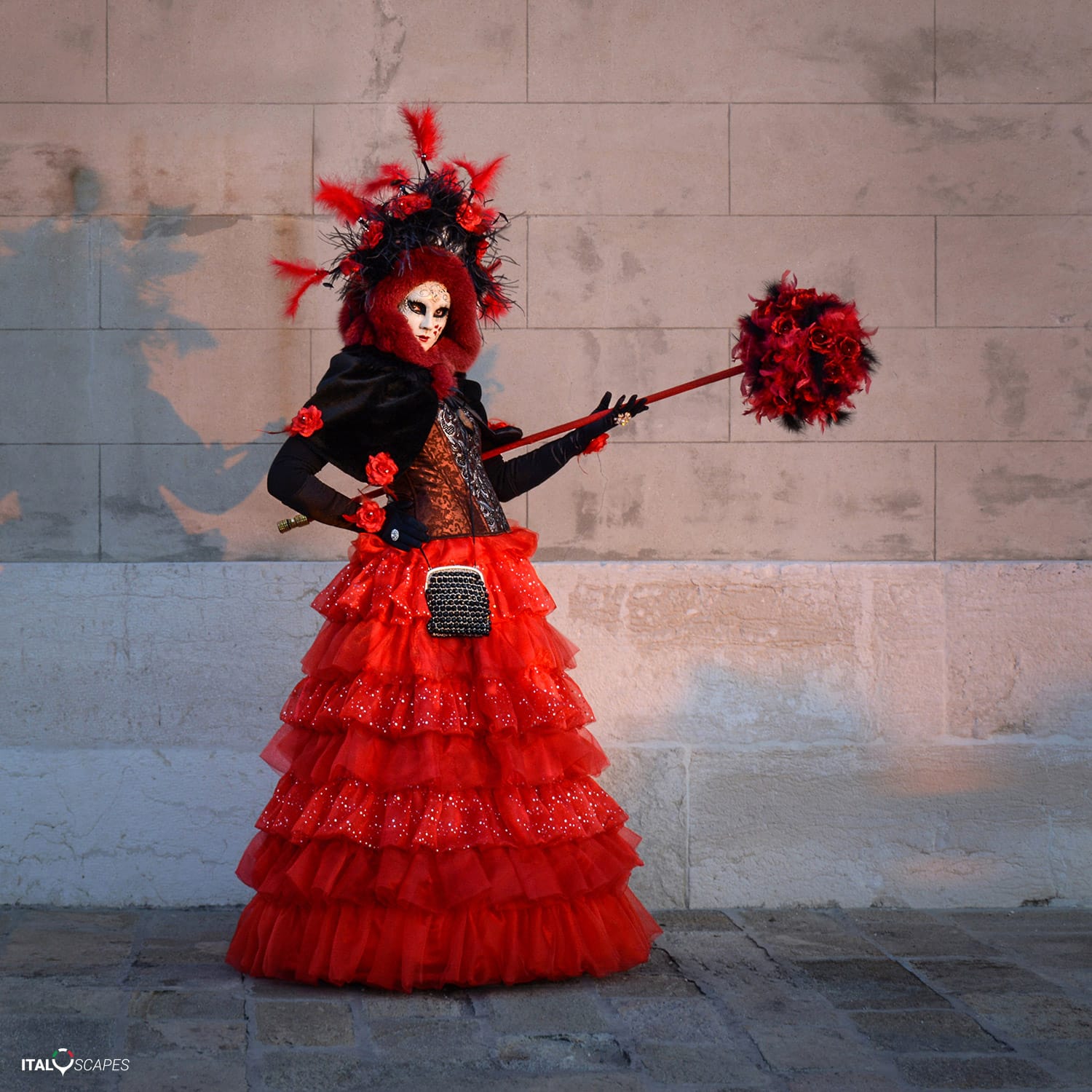
Traditional Venetian masks and period costumes are worn by thousands of participants and visitors, reinforcing the visual identity of the Carnival as a celebration of history and craftsmanship.
Key elements of the Carnival program typically include a series of scheduled events such as the Official Dinner Show, Festa delle Marie, and the Best Mask Contest.
Venice’s canals and bridges become active venues for festive processions, and the festival’s calendar is structured to offer both free public events and ticketed cultural experiences.
Many of the signature celebrations leverage Venice’s historic architecture and waterways, creating a multi-site experience that spreads from central squares to island locations during peak days of the Carnival of Venice 2027.
Dates of the Carnival of Venice 2027
The Carnival of Venice 2027 is scheduled to take place from January 23 to February 9, 2027, in alignment with the traditional liturgical calendar that determines the Carnival season each year.
The dates are not fixed annually and they depend on the date of Easter, which varies according to the Christian ecclesiastical calendar. As a result, the Carnival period shifts each year but always concludes on Shrove Tuesday, the day before Ash Wednesday.
In 2027, Shrove Tuesday falls on February 9, marking the final day of public celebrations. Shrove Tuesday is the last day before Ash Wednesday, which begins the season of Lent in the Christian calendar.
Lent is a 40-day period of fasting, penitence, and preparation leading up to Easter. The carnival historically developed as a period of celebration and social festivity immediately before this more austere religious season.
The final week of Carnival traditionally includes Fat Thursday (Giovedì Grasso), which in 2027 falls on February 4. Fat Thursday marks the symbolic start of the most intense phase of celebrations.
Historically, it commemorates a military victory of the Republic of Venice in the 12th century and became associated with public festivities, masquerades, and official ceremonies.
The structure of the Carnival of Venice 2027 period follows this established sequence: an opening weekend with inaugural events, daily public performances and mask gatherings throughout the two-week span, and peak celebrations between Fat Thursday and Shrove Tuesday.
Location of the Carnival of Venice 2027
The Carnival of Venice 2027 takes place in Venice, located on a group of islands in the Venetian Lagoon in the northeastern part of Italy.
Venice is a city built on more than 100 small islands in a shallow lagoon connected by canals and bridges. The city and its lagoon form a single geographic and cultural unit recognized collectively as a UNESCO World Heritage Site due to their outstanding historic, architectural, and environmental value.
Venice’s historic centre is the principal setting for the Carnival of Venice 2027. Events are primarily distributed throughout the city’s public squares and waterways, with Piazza San Marco serving as the central focal point for many official celebrations, performances, and competitions.
The Grand Canal, which bisects the city, hosts major water-based processions, such as the traditional boat parades that are part of the festival’s program.
The Carnival’s activities are embedded in Venice’s urban fabric. Narrow alleys (calli), historic bridges, palaces, and squares across the city’s six districts (sestieri) become stages for costume exhibitions, street shows, and cultural performances during the festival period.
Visitors and participants walk through these interconnected islands on foot or by water transport (vaporetti and gondolas), as there are no cars within the historic city centre.
The Venetian Lagoon itself, which surrounds the city, influences the character of the Carnival of Venice. The lagoon connects Venice to its outlying islands – such as Murano, Burano, and Lido – adding a maritime dimension to the event and to local life year-round.
History of the Carnival of Venice
Origins and Early Development
The Carnival of Venice is one of the oldest and most iconic cultural festivals in Europe. Its origins can be traced back to at least the 11th century, with early written references indicating celebrations in 1094 and formal recognition by Venetian authorities by 1162.
These early festivities were public occasions that combined popular celebration with religious and civic traditions in the Republic of Venice. Over the centuries, the Carnival developed into a major social institution integral to Venetian public life and identity.
Masks, Costumes and Social Freedom
From the Middle Ages through the 18th century, the Carnival was characterized by elaborate public spectacles, theatrical performances, music, dancing, and widespread use of masks and costumes by participants throughout the city.
In the deeply hierarchical society of the Venetian Republic, masks played a crucial role because they offered anonymity. This allowed people of different social classes to mingle freely, transcend ordinary social constraints, and participate in a shared cultural experience.
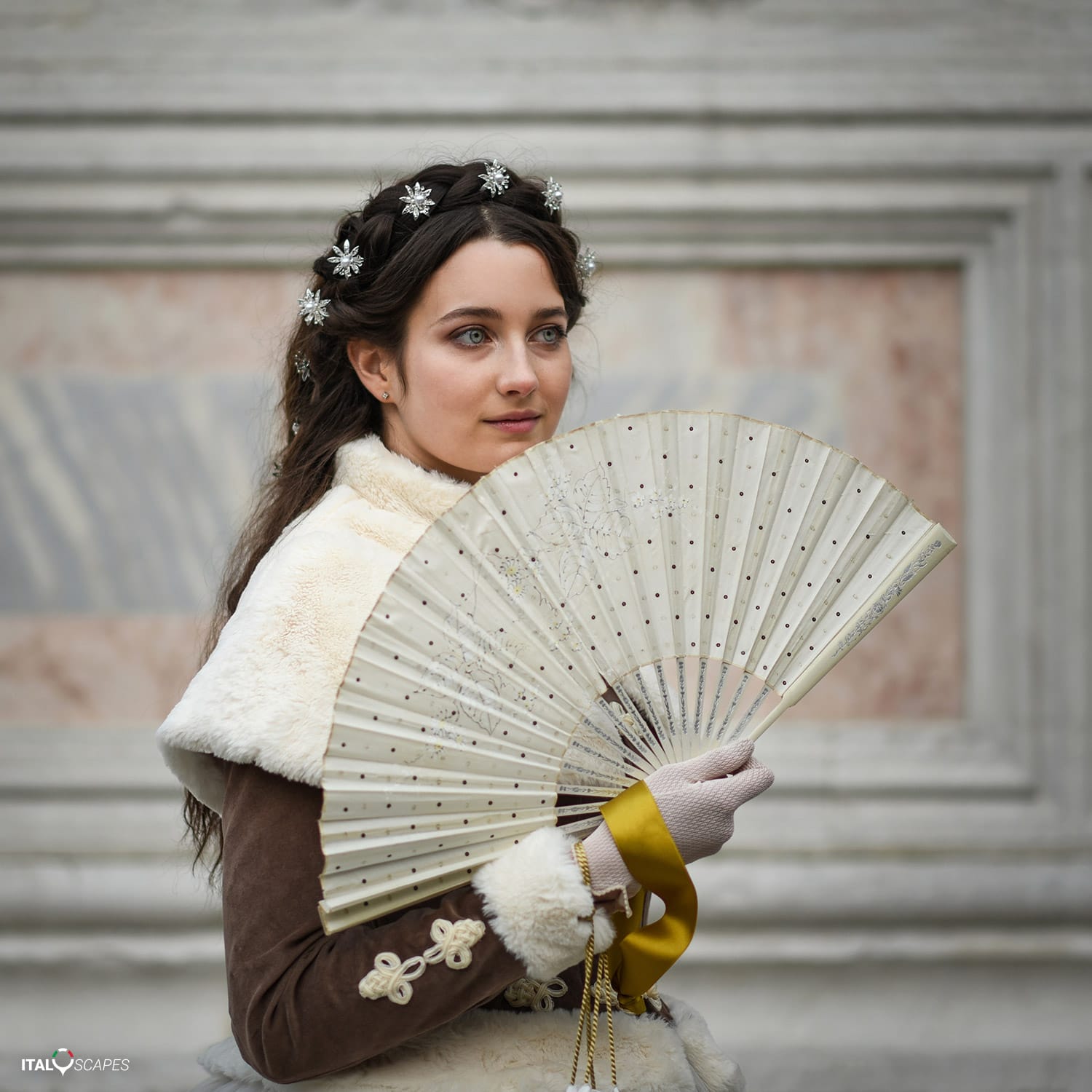
Common citizens, nobles, clergy, and visitors could interact without the usual markers of status, which made Carnival a uniquely democratic form of festivity.
Traditional Carnival Season
The festival was formally institutionalized around 1296 when the Venetian Senate established it as a public holiday leading up to the period of Lent.
Traditionally, the Carnival season began near the end of December and continued until Shrove Tuesday (the day before Ash Wednesday), preceding the Lenten fast.
For much of its historic run, the Carnival lasted about six weeks, filling the streets, canals, squares, and private palaces of Venice with vibrant celebrations that blended ceremony, spectacle, and social play.
Restrictions and Public Order
Despite its popularity and civic importance, the Carnival’s role in Venetian life was not without controversy. Concerns over order, morality, and social control prompted periodic restrictions by Venetian authorities.
In 1339, laws banned the wearing of masks in public after nightfall; in 1458, masked entry into sacred places was prohibited; and in later years, masked prostitution and masked gambling in casinos were outlawed.
In 1608, the Council of Ten specifically limited mask use to the Carnival and other official events, highlighting the need to balance festive freedoms with public and religious norms.
The Golden Age of the Carnival
The 18th century marked the zenith of the Carnival’s historical prestige. Venice had become a cosmopolitan and artistic center of Europe, attracting visitors from across the continent for its theaters, opera houses, and social entertainments.
Writers, musicians, and intellectuals of the European Enlightenment – such as Giacomo Casanova, Johann Wolfgang von Goethe, and Wolfgang Amadeus Mozart – experienced and wrote about the Carnival, further spreading its fame.
During this era, Carnival celebrations could extend for months, and mask-wearing became a central artistic and social expression connected to Venetian craftsmanship and identity.
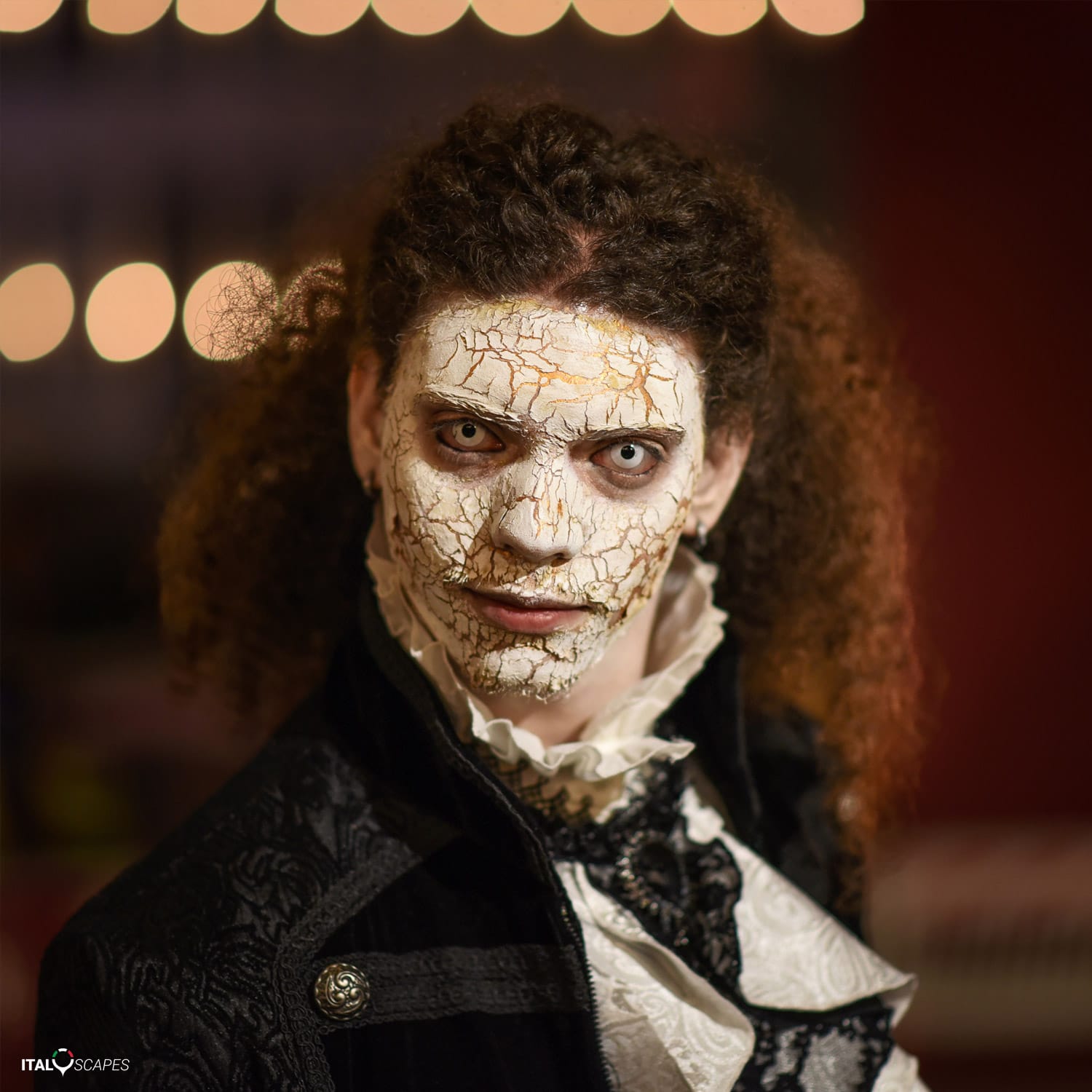
However, the political and social upheavals that accompanied the end of the Venetian Republic in 1797 effectively brought the traditional Carnival to a halt.
The End of the Venetian Republic
Following the defeat of Venice by Napoleon Bonaparte and the subsequent Austrian occupation, the festival was suppressed for fear that public gatherings and displays of anonymity could incite rebellion or disorder.
Throughout the 19th and early 20th centuries, Carnival celebrations were largely dormant or reduced to very localized and modest festivities on lagoon islands such as Murano and Burano, but they lacked the grand scale of earlier centuries.
The Modern Revival of the Carnival of Venice
The revival of the Carnival of Venice in the modern era began in 1979, when local cultural organizations and the City of Venice initiated efforts to restore the festival as a major annual event.
This revival aligned with broader movements to celebrate Venetian cultural heritage, stimulate tourism, and reclaim traditional crafts such as mask-making.
Since then, the Carnival has regained international prominence, attracting millions of visitors each year who come to witness its unique blend of history, art, and theatrical performance.
Masks of the Carnival of Venice
A defining feature of the Carnival of Venice 2027 is its masks, which are deeply rooted in the city’s history and symbolic of the festival’s core themes of transformation, anonymity, and social play. Several mask types have become emblematic of the Carnival of Venice:
Bauta
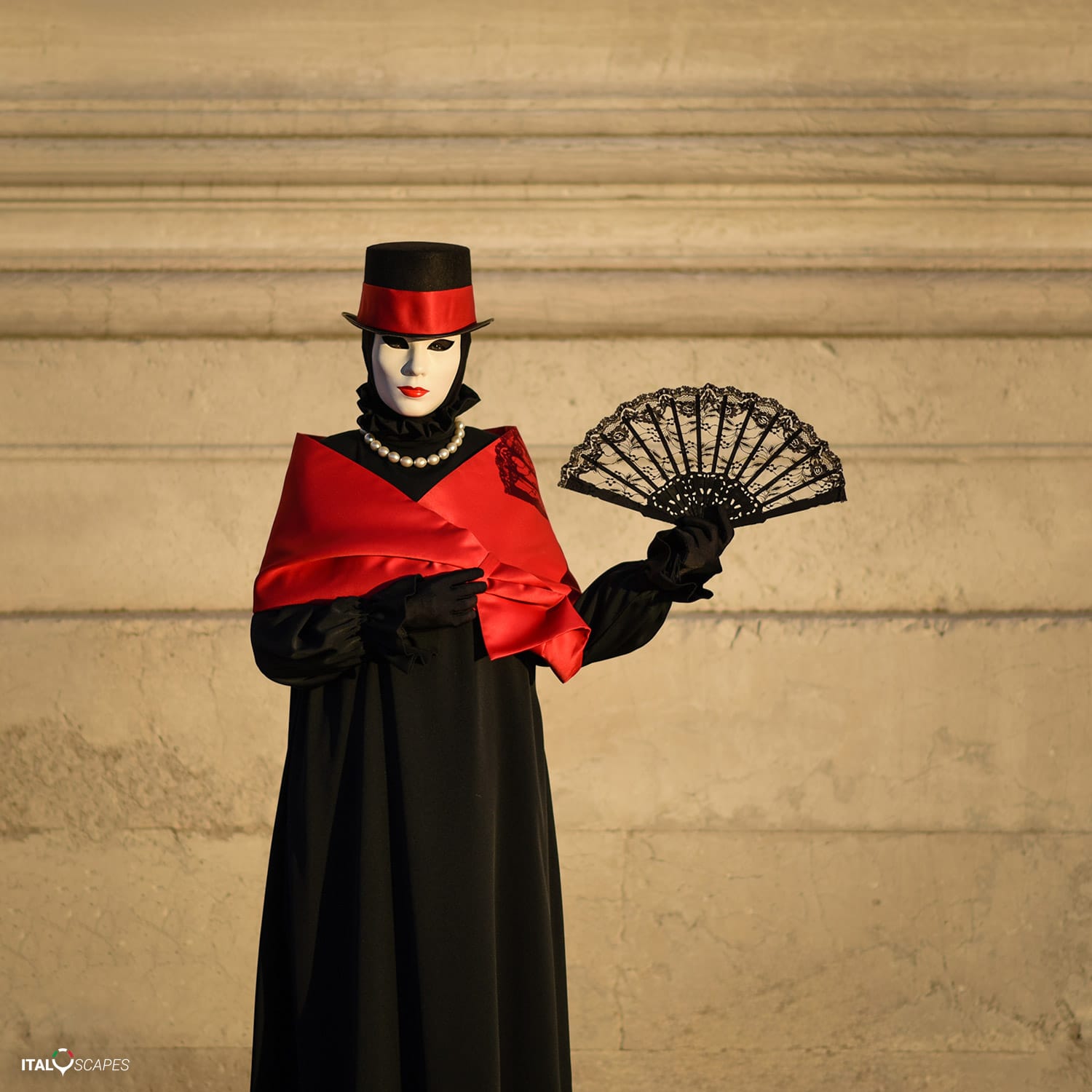
One of the most iconic Venetian masks, the Bauta covers the entire face and is often worn with a black cloak and tricorne hat. It allowed the wearer to eat and speak without revealing their identity, making it useful for both social and political masking in Venetian society.
Colombina
A half-mask covering only the eyes and upper cheeks, the Colombina is often richly decorated with gold, feathers, and gemstones. According to tradition, it was easier to wear and allowed for greater freedom of movement compared to full-face masks.
Volto (Larva)
The Volto, also known as Larva, is a ghost-white mask with simple, smooth features. It was historically paired with a cape and tricorne hat and was widely worn during Carnival to create a mysterious and elegant presence.
Moretta
Worn primarily by women, the Moretta is a small, oval-shaped velvet mask traditionally kept in place by a button held in the wearer’s mouth. Because it prevented speech, it came to symbolize silent intrigue and subtle seduction.
Medico della Peste (Plague Doctor)
Although not originally a Carnival creation, the long-beaked Plague Doctor mask has become a popular costume piece. Its distinctive shape evokes medical history and adds dramatic visual impact to Carnival ensembles.
These masks are often crafted by skilled Venetian artisans known as maschereri, whose work blends traditional techniques with artistic innovation. Mask shops and workshops throughout Venice continue to produce these traditional forms, contributing to the enduring visual identity of the Carnival.
The Carnival of Venice 2027 – Calendar of Events
The Carnival of Venice as it exists today is a carefully structured cultural festival combining centuries-old Venetian tradition with contemporary theatrical production and mass participation.
It embraces performances, historical re-enactments, ceremonial processions, water parades, gala dinners, nightly spectacles, costume competitions, and iconic signature events that together define the contemporary identity of the Carnival.
The structure of the modern Carnival celebrates Venice’s aquatic heritage, its dramatic urban spaces, and its unique fusion of history and performance.
Festa Veneziana
One of the core opening events in the modern program is the Festa Veneziana, also referred to as the Opening Parade on the water. This ceremony is typically scheduled early in the Carnival period, often on a Sunday soon after the start of the festival.
The Festa Veneziana takes place on the Grand Canal, with a procession of decorated boats and gondolas carrying masked participants and costumed performers. The event highlights Venice’s lagoon culture and the historical role of the waterways as public stages.
Festa delle Marie
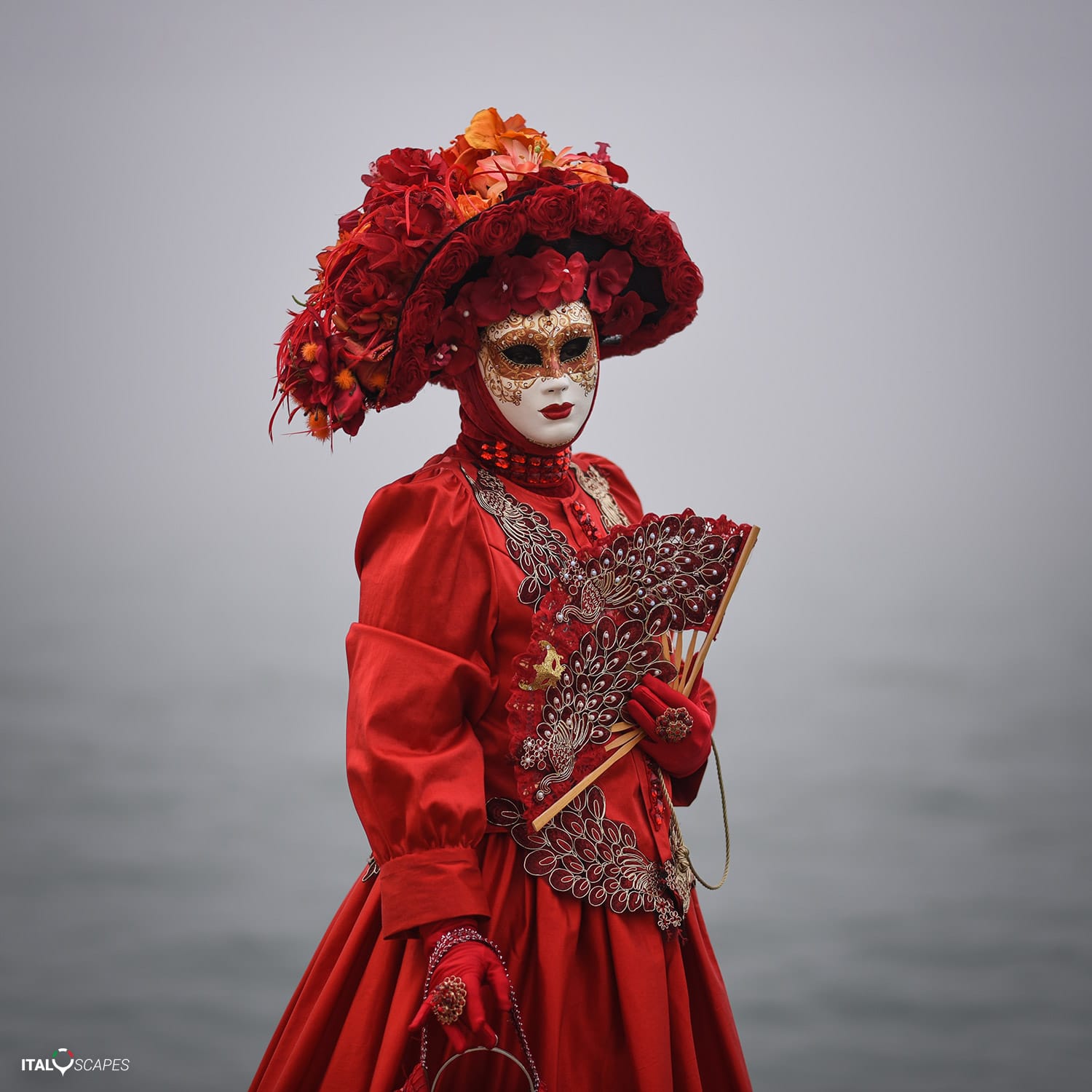
Another essential historic feature preserved in today’s Carnival is the Festa delle Marie. This tradition celebrates a medieval Venetian legend by selecting twelve young Venetian women who represent the city’s beauty and culture.
Throughout the Carnival, these “Maries” participate in cultural events and ceremonial appearances, culminating in a water procession on the Canal Grande where they travel by gondola to Piazza San Marco.
The Festa delle Marie is one of the most anticipated official parades in the program and typically includes a final award or proclamation of the “Maria of the Year” toward the end of the Carnival of Venice 2027.
Official Dinner Show
The Official Dinner Show is one of the most distinctive indoor highlights of the modern Carnival. Held in the prestigious Ca’ Vendramin Calergi, this event combines a gourmet dinner with live artistic performance, music, and theatrical segments in full Carnival costume.
The format is that of a masked gala dinner with entertainment woven into each course, making it one of the most refined experiences for visitors who want to engage with Venice’s aristocratic and artistic heritage in a single evening.
Buy tickets:VivaTicketArsenale Water Show
In recent years, the Arsenale Water Show has become one of the modern program’s evening spectacles.
Staged at the Arsenale di Venezia, the historic shipyard and naval complex, the Water Show is designed as a theatre on water combining lights, music, choreography and narrative.
The show unfolds over several evenings during the Carnival, transforming the Arsenale’s docks into a dramatic performance space where water, sound and visual art converge.
Volo dell’Angelo
Another flagship event of the modern Carnival is the Volo dell’Angelo (Flight of the Angel). This is one of the most symbolic ceremonies within the festival.
Historically rooted in a 16th-century spectacle in which a tightrope walker performed feats over Piazza San Marco, today’s Volo dell’Angelo features an artist (traditionally the previous year’s Maria of the Carnival) descending from the St Mark’s Campanile by a secure rope to the square below.
Other Carnival events
Throughout the Carnival of Venice 2027, in addition to these major ceremonies, there are numerous free and public performances that animate Venice’s streets, squares, and canals.
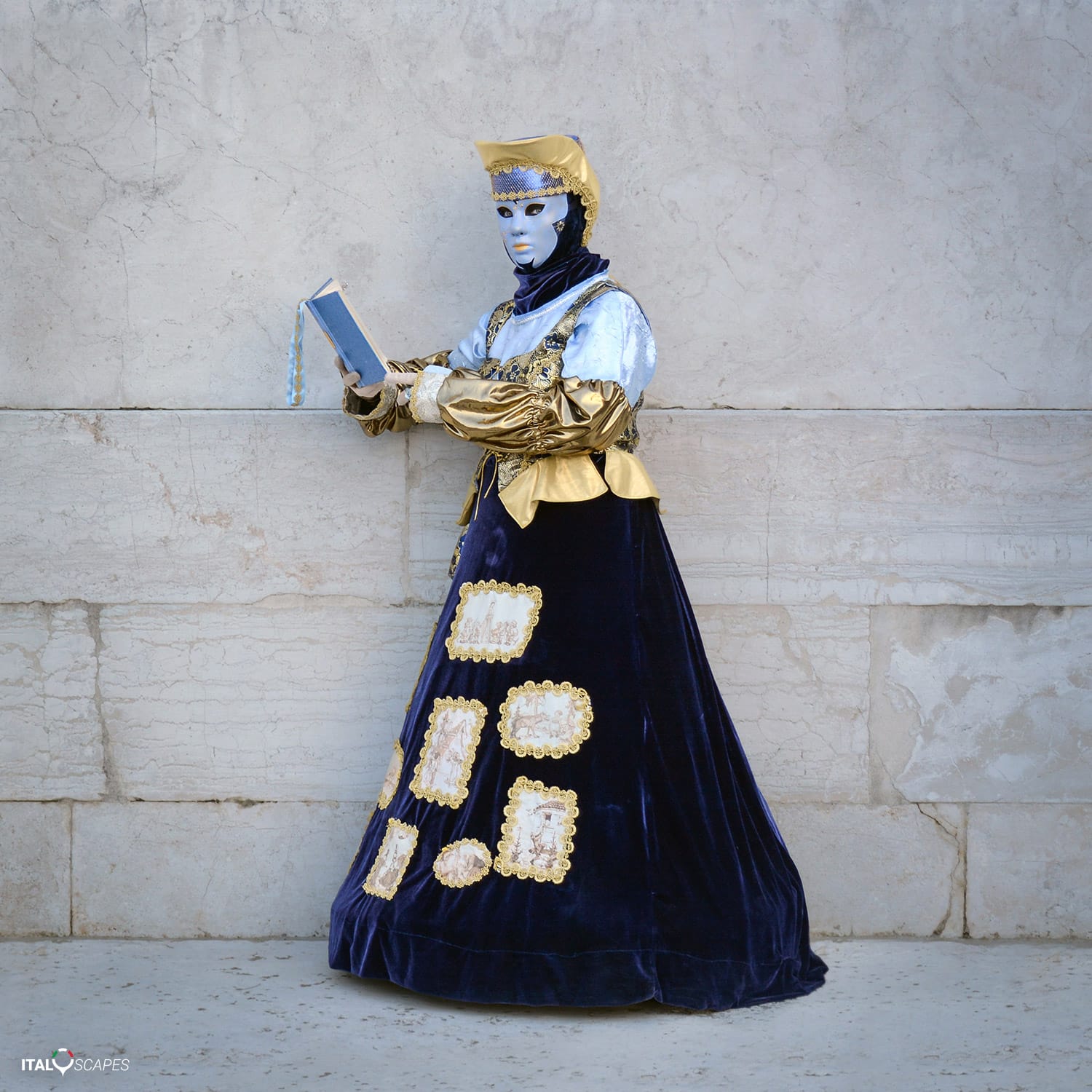
The Venice Carnival Street Show features itinerant performers – acrobats, musicians, jugglers, theatrical troupes and masked characters – bringing spontaneous entertainment to multiple corners of the city on scheduled dates.
There are also costume contests held in Piazza San Marco and other prominent sites, where participants wearing elaborate traditional costumes are judged and awarded.
Nights during the Carnival of Venice 2027 will also be filled with activities that blend private and public dimensions of celebration. Traditional masquerade balls, such as Il Ballo del Doge hosted in historic palaces, attract international guests in ornate costume and offer themed entertainment, dancing, and music.
Although not part of the official public program, such masked balls are associated with the Carnival experience and contribute to its reputation as one of the world’s most glamorous festive seasons.
Beyond the Carnival of Venice 2027
The Carnival of Venice 2027 will bring a massive influx of visitors to the city. As many as 1 million people attend during the festival period, including tourists and day-trippers as well as locals participating in historic events and neighborhood traditions.
This surge has a wide impact on accommodation, food costs, tourism economy, and the everyday lives of Venetians and residents of the Veneto mainland.
Where to Stay During the Carnival of Venice 2027
Accommodation during the Carnival of Venice 2027 will become one of the most challenging and expensive aspects of travel. Hotels and guesthouses inside Venice – especially near central squares such as Piazza San Marco, Rialto, and along the Grand Canal – often hike their rates for Carnival dates.
For visitors who want to balance cost and convenience, staying on the mainland in Mestre or Marghera is a practical alternative. Rooms in Mestre and Marghera are often significantly less expensive – sometimes by 50% or more – compared with central Venice during Carnival.
They offer regular train and bus connections to Venice’s historic centre, typically in 10-15 minutes, and can reduce overall trip costs, especially when booked well in advance.
What to Eat During the Carnival of Venice 2027
Food and dining in Venice likewise reflects the festival’s tourism boom. Restaurants and cafés around major event sites charge premium prices, with table service, coperto (service charge), and tourist menus inflating bills.
A reliable strategy for more affordable eating is to follow local practice: seek out bacari – traditional Venetian wine bars – where you can order cicchetti (small snacks) and a glass of wine or spritz at much lower cost than sit-down restaurants in prime areas.
Cicchetti meals with drinks can often be found for roughly €10-€20, while groceries or quick market snacks make picnics by a canal a budget-friendly option.
Choosing restaurants more than a few blocks from San Marco or the Rialto also typically lowers prices. Walking only 200 meters away from tourist hubs often results in substantial savings on both food and drink.
Shopping During the Carnival of Venice 2027
On a broader scale, the Carnival is an economic lifeline for local businesses during the otherwise low winter tourism season. Hotels, restaurants, cafés, mask artisans, performers, transport services, and cultural venues all benefit from increased demand.
The sale of Venetian masks and costumes – often handcrafted by local artisans in Dorsoduro, Cannaregio, or Santa Croce – is a particularly important source of income and cultural promotion during this period.
Strained Infrastructure During the Carnival of Venice 2027
At the same time, the festival places pressure on local infrastructure and daily life. Overcrowded vaporetti (waterbuses), crowded squares, and heavy foot traffic make daily routines and commuting more cumbersome for residents.
Waste management, sanitation, and crowd control require additional planning by city authorities to balance visitor experience with the needs of permanent residents.
In communities such as Cannaregio and Castello, locals often celebrate Carnival in quieter, neighborhood contexts – less crowded than the major piazzas – allowing them to maintain community traditions amid the broader tourism spectacle.
Overall, beyond its artistic and historic appeal, the Carnival of Venice 2027 will be a major economic event with both opportunities and challenges.
It brings substantial revenue to hospitality and cultural sectors, but also demands thoughtful planning by visitors and city stakeholders to ensure a sustainable and respectful experience for both tourists and residents alike.
Frequently Asked Questions about the Carnival of Venice 2027
When will the Carnival of Venice 2027 take place?
The Carnival of Venice 2027 will take place from January 23 to February 9, ending on Shrove Tuesday, the day before Ash Wednesday and the beginning of Lent.
Where does the Carnival of Venice 2027 take place?
The main events of the Carnival of Venice 2027 take place in Venice’s historic center, especially around Piazza San Marco, the Grand Canal, public squares, bridges, canals, and sometimes lagoon islands.
Is the Carnival of Venice 2027 free to attend?
Many public events, street performances, parades, and costume gatherings are free to watch. However, gala dinners, masked balls, private parties, and some special shows require paid tickets.
What are the most important events of the Carnival of Venice 2027?
Major events usually include the Festa Veneziana, Festa delle Marie, Volo dell’Angelo, Venice Carnival Street Show, Best Mask Contest, Official Dinner Show, and evening performances at the Arsenale.
What is the best time to visit the Carnival of Venice 2027?
The busiest and most spectacular period is between Fat Thursday, February 4, and Shrove Tuesday, February 9, when the city hosts the most intense Carnival celebrations.
Do visitors need to wear a mask or costume?
Wearing a mask or costume is not mandatory, but it is strongly recommended for the full Carnival experience. Many visitors wear traditional Venetian masks or elegant historical costumes.
What are the most famous Venetian Carnival masks?
The most famous masks include the Bauta, Colombina, Volto, Moretta, and Medico della Peste. Each has a different shape, history, and symbolic meaning.
Is Venice crowded during the Carnival of Venice?
Yes, Venice will become very crowded during the Carnival of Venice 2027, especially around Piazza San Marco, Rialto, and the Grand Canal. Booking accommodation, restaurants, and transport early is highly recommended.
Where should visitors stay for the Carnival of Venice 2027?
Staying in central Venice is convenient but expensive. Mestre and Marghera are cheaper alternatives, with frequent train and bus connections to Venice’s historic center.
Is the Carnival of Venice 2027 worth visiting?
Yes, the Carnival of Venice 2027 is worth visiting for its masks, costumes, historic atmosphere, water parades, street performances, and unique celebrations across one of the world’s most beautiful cities.
Sources: -
Photos
-
Video
Table of Contents
-
Map
-
Reviews
-
Related eventsView all related events
Venice Carnival Festa delle Marie 2027 - 30 January 2027
Festa delle Marie 2027 will be one of the most important historical cel Read more [...]