Table of Contents
Veneto is one of the most varied regions in Italy, and we believe it deserves more than a quick visit to Venice. The region includes lagoon cities, Roman monuments, Palladian architecture, medieval centers, mountain resorts, wine hills, fishing towns, and historic squares that explain its remarkable travel appeal.
We have visited many parts of Veneto over several years, and this ranking is based on both cultural importance and personal travel experience. We have visited Venice 28 times, Padua 5 times, Verona 4 times, Vicenza 3 times, Bassano del Grappa and Chioggia 2 times each, and the other cities once.
For us, the best tourist destinations in Veneto are not only the most famous places, but also the destinations that clearly show the identity of the region. Venice remains first, but the full story of Veneto also includes Verona, Padua, Vicenza, Treviso, Cortina d’Ampezzo, Bassano del Grappa, Chioggia, Belluno, and Conegliano.
Veneto is especially strong because its geography changes quickly. In the same region, travelers can move from the Venetian Lagoon to the Dolomites, from Roman Verona to Palladian Vicenza, from Padua’s medieval frescoes to the Prosecco Hills near Conegliano, and from quiet Treviso to monumental Venice.
We believe tourist destinations in Veneto work best when they are visited slowly. A rushed itinerary shows the main monuments, but not the rhythm of the cities. Veneto rewards walking, returning, comparing places, noticing details, and understanding how water, trade, mountains, art, and architecture shaped each destination.
Burano (Veneto)
10. Conegliano
We visited Conegliano once, and we think it deserves a place in this ranking because it represents the wine landscape of Veneto better than any large city. Conegliano is closely linked with the Prosecco Hills of Conegliano and Valdobbiadene, one of the most recognizable cultural landscapes in northern Italy.
Conegliano is not a monumental city like Venice, Verona, or Padua, but it has a clear identity. Its appeal comes from the connection between the historic center, the surrounding vineyards, the hills, and the long tradition of winemaking. Among tourist destinations in Veneto, it is especially relevant for wine tourism.
What to See in Conegliano
The most important landmark is the Castle of Conegliano, located above the town. From the castle area, visitors can see the historic center, the foothills, and the wider landscape that leads toward Valdobbiadene. The elevated position explains why the castle remains the strongest visual symbol of Conegliano.
The historic center is concentrated around Via XX Settembre, Piazza Cima, the Cathedral of Conegliano, and the Sala dei Battuti. The porticoes, painted façades, civic buildings, and small squares make Conegliano pleasant to explore on foot, especially for travelers who prefer compact and elegant towns.
Why Conegliano Is Worth Visiting
We believe Conegliano is worth visiting because it adds a different layer to Veneto. It is not mainly about grand monuments, but about landscape, wine culture, local identity, and a refined historic center. It works especially well as a base for exploring the Prosecco area.
Conegliano is also useful for travelers who already know Venice and Verona and want to understand a quieter Veneto. A visit here can be combined with Valdobbiadene, Vittorio Veneto, Follina, or the surrounding hills. For us, it is a small but meaningful destination.
9. Belluno
We visited Belluno once, and we see it as the Alpine gateway of Veneto. It is not among the most visited cities in the region, but its position near the Dolomites gives it a special role. Belluno shows the mountain identity of Veneto in a way the plain cities cannot.
Belluno deserves inclusion among tourist destinations in Veneto because it balances urban history with natural scenery. It is a provincial capital, but its atmosphere is calm, panoramic, and strongly connected to the mountains. The city feels different from Treviso, Vicenza, Padua, Verona, and Venice.
What to See in Belluno
The historic center includes Piazza dei Martiri, Piazza delle Erbe, Palazzo dei Rettori, the Cathedral of San Martino, and elegant streets with views toward the surrounding peaks. The city is small enough for a relaxed visit, but beautiful enough to justify a dedicated stop.
Belluno’s strongest attraction is its setting. The nearby Dolomiti Bellunesi and mountain views give the city a scenic quality that few other tourist destinations in Veneto can match. It is not a city of overwhelming museums, but a place where architecture and landscape work together.
Why Belluno Is Worth Visiting
We think Belluno is worth visiting before or after a Dolomite itinerary. It gives travelers a historic urban base without losing contact with the mountains. From here, it is easy to understand why northern Veneto has always been culturally and geographically distinct from the lagoon and the plains.
Belluno is not the first place we would recommend for a first trip to Veneto, but it becomes more interesting on a second or third trip. It is quiet, authentic, and visually strong. For us, it represents the mountain side of Veneto.
8. Chioggia
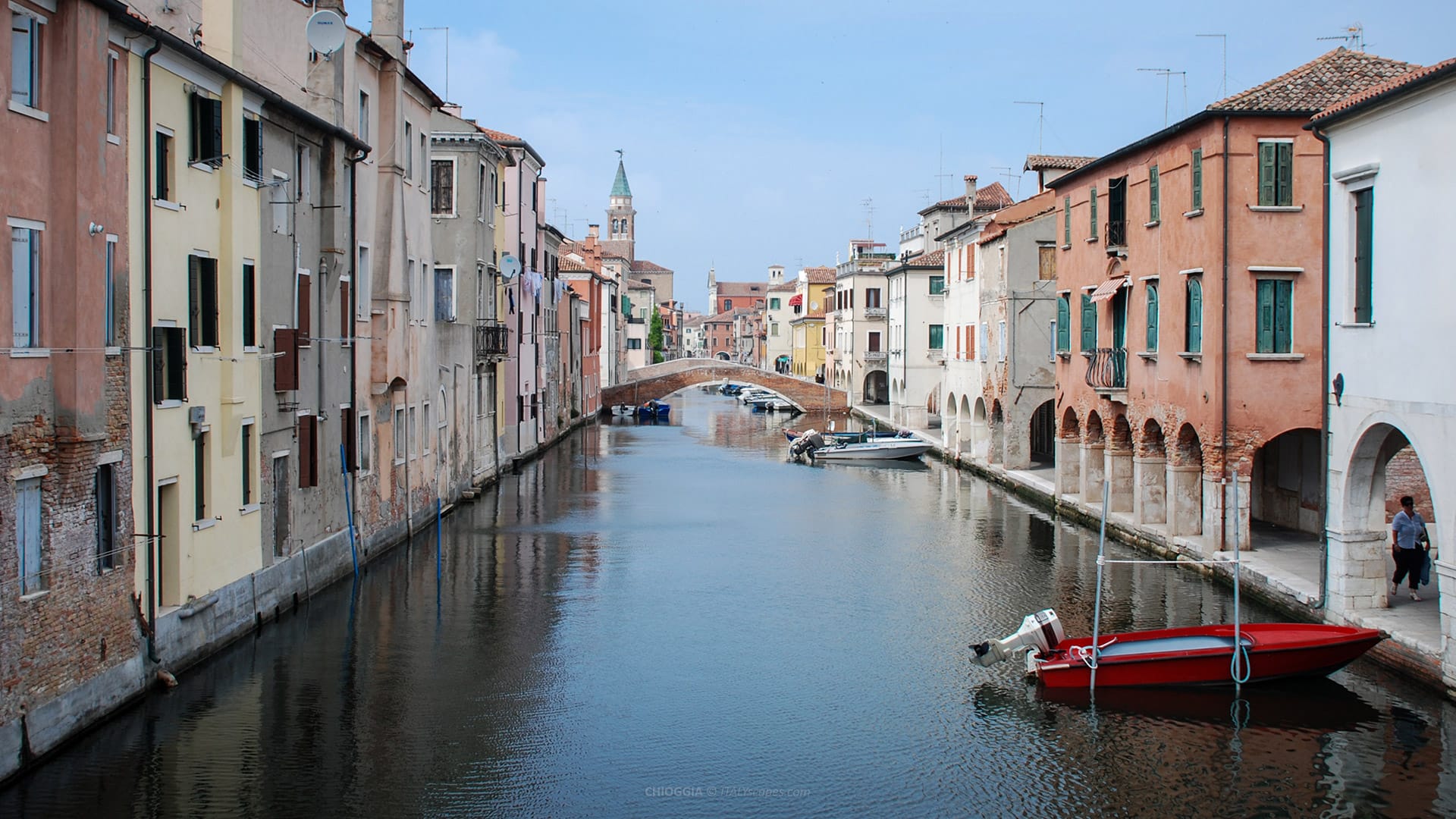
We visited Chioggia twice, and we believe it is one of the most distinctive lagoon towns in Veneto. It is often called a smaller Venice, but that comparison is too simple. Chioggia has its own identity, shaped by fishing, canals, bridges, the lagoon, and the Adriatic Sea.
Chioggia is placed eighth because it offers a lagoon experience without the monumental scale of Venice. It is more local, more maritime, and less ceremonial. Among tourist destinations in Veneto, it is important because it shows that the Venetian Lagoon is not only Venice.
What to See in Chioggia
The main urban route is Corso del Popolo, a long central street lined with churches, cafés, palaces, and civic buildings. Important landmarks include the Cathedral of Santa Maria Assunta, Ponte Vigo, the Church of San Domenico, and the canals that cut through the historic center.
The Fish Market of Chioggia is one of the most characteristic places in town. It reflects the city’s fishing tradition and its connection with the Adriatic. The nearby canals, boats, bridges, and narrow streets make Chioggia especially good for photography and slow walking.
Why Chioggia Is Worth Visiting
We think Chioggia is worth visiting because it feels lived-in. Venice is extraordinary, but Chioggia is more direct and practical. It has fishing boats, daily commerce, lagoon views, and access to Sottomarina. That combination makes it one of the most interesting tourist destinations in Veneto.
Chioggia is not a replacement for Venice, and it should not be judged as one. It is better understood as a southern lagoon town with a different rhythm. For travelers who enjoy authentic coastal cities, markets, canals, and maritime history, Chioggia is an excellent choice.
Chioggia
7. Bassano del Grappa
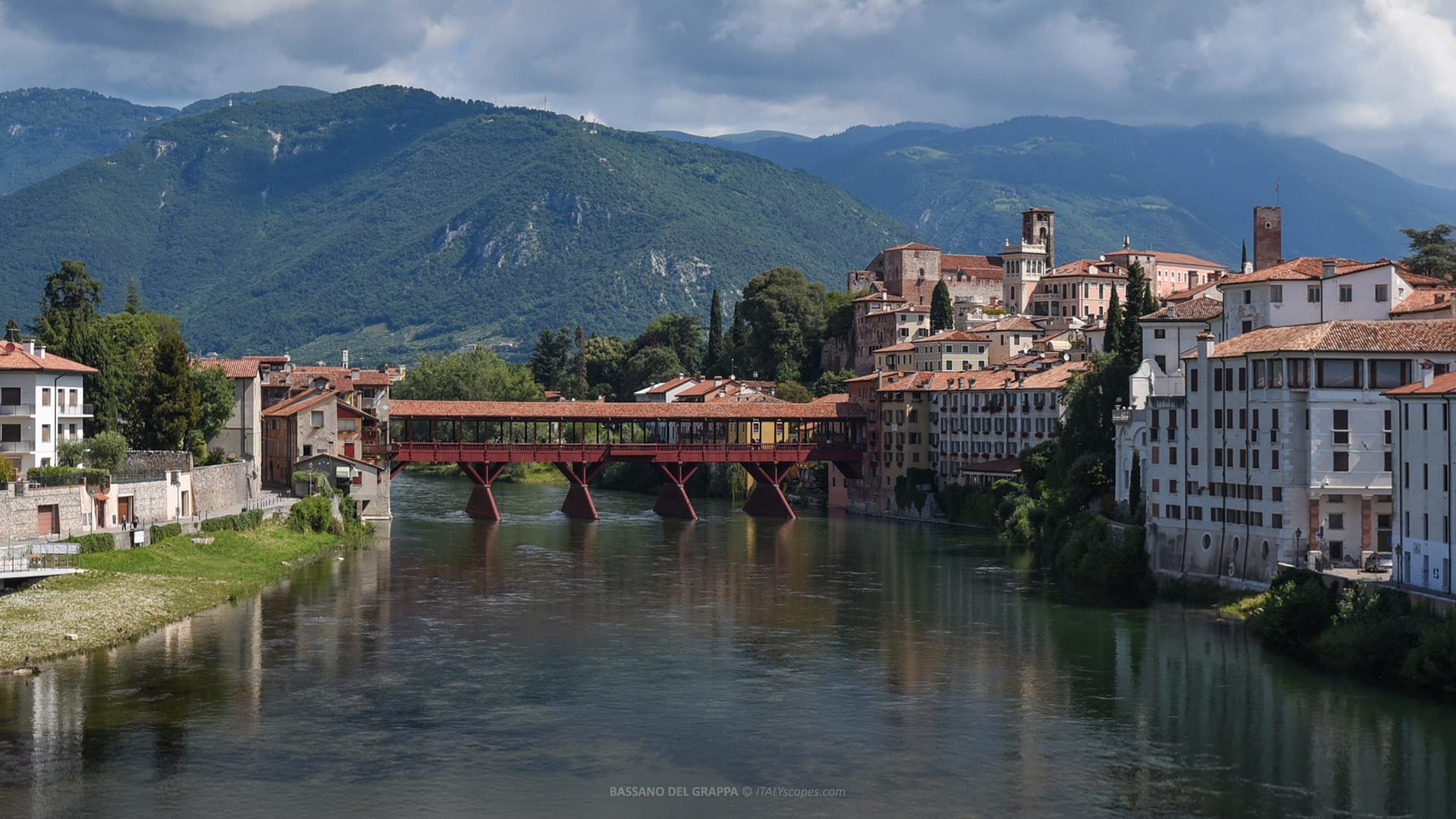
We visited Bassano del Grappa twice, and we think it is one of the most beautiful smaller cities in Veneto. Its identity is very clear: the Brenta River, the covered wooden bridge, Alpine history, grappa, ceramics, and a compact historic center with strong visual character.
Bassano deserves seventh place among tourist destinations in Veneto because it combines architecture, landscape, and local tradition. It is not as large as Padua or Vicenza, but it has an atmosphere that is immediately recognizable. Few small cities in Veneto are as memorable after one visit.
What to See in Bassano del Grappa
The main landmark is the Ponte Vecchio, also known as the Ponte degli Alpini. The bridge crosses the Brenta River and is closely associated with Andrea Palladio’s wooden design. It has been damaged and rebuilt several times, but it remains the city’s defining symbol.
The historic center includes Piazza Libertà, Piazza Garibaldi, the Civic Museum, churches, arcaded streets, and viewpoints over the river. The city is also famous for grappa, and the Poli Grappa Museum helps visitors understand this important local tradition.
Why Bassano del Grappa Is Worth Visiting
We believe Bassano del Grappa is worth visiting because it has a complete identity in a small area. In a short walk, visitors can experience the bridge, the river, historic squares, mountain views, museums, and local products. This makes it one of the easiest tourist destinations in Veneto to enjoy.
Bassano also works very well as a day trip from Vicenza, Padua, Treviso, or Venice. It is especially suitable for travelers who want a smaller city with strong character. For us, it is one of the most rewarding places in Veneto after the major art cities.
Bassano del Grappa
6. Cortina d’Ampezzo
We visited Cortina d’Ampezzo once, and we believe it must be included because Veneto is not only about art cities. Cortina represents the mountain side of the region. It is the most famous Alpine destination in Veneto and one of the best-known resorts in the Dolomites.
Cortina is different from most tourist destinations in Veneto because its main attraction is not a cathedral, palace, bridge, or square. Its strongest value is the surrounding landscape. The Dolomites, the ski areas, the hiking routes, and the panoramic roads define the experience.
What to See in Cortina d’Ampezzo
The center of Cortina is organized around Corso Italia, the main street for walking, shopping, cafés, and mountain-town atmosphere. Important local landmarks include the Basilica dei Santi Filippo e Giacomo, the bell tower, and the historic buildings that reflect Cortina’s long Alpine identity.
Around the town, the main attractions are natural. The Tofane, Cinque Torri, Faloria, Cristallo, Lake Sorapis, and nearby mountain routes make Cortina exceptional for hiking, skiing, cycling, climbing, and photography. These places explain why Cortina is internationally known.
Why Cortina d’Ampezzo Is Worth Visiting
We think Cortina is worth visiting because it gives Veneto a completely different dimension. After Venice, Verona, Padua, and Vicenza, Cortina feels like another world. The architecture is Alpine, the air is different, the landscape is vertical, and the rhythm is connected to seasons and outdoor sports.
Cortina also has major Olympic importance. It hosted the Winter Olympics in 1956 and returned to international attention through Milano Cortina 2026, with venues such as Tofane Alpine Skiing Centre, Cortina Curling Olympic Stadium, and Cortina Sliding Centre. That sporting history strengthens its place among tourist destinations in Veneto.
5. Treviso
We visited Treviso once, and we believe it is one of the most pleasant art cities in Veneto. It is smaller and quieter than Venice, Verona, Padua, and Vicenza, but it has canals, porticoes, frescoed façades, medieval streets, and a relaxed rhythm that makes it very enjoyable.
Treviso deserves fifth place because it offers atmosphere without the pressure of mass tourism. Among tourist destinations in Veneto, it is one of the best choices for travelers who want an elegant historic center, good food, beautiful walks, and a city that still feels local.
What to See in Treviso
The heart of Treviso is Piazza dei Signori, with the Palazzo dei Trecento and nearby civic buildings. From there, visitors can walk toward Calmaggiore, the Cathedral of Treviso, the Buranelli Canal, and the narrow streets that connect the city’s main sights.
Treviso is especially beautiful around its waterways. The Buranelli Canal, the Isola della Pescheria, bridges, mills, and small watercourses create a softer version of urban Veneto. Important churches include San Nicolò and Santa Caterina, both connected with the city’s artistic and religious heritage.
Why Treviso Is Worth Visiting
We think Treviso is worth visiting because it is easy to love. It does not overwhelm visitors with huge monuments, but it rewards attention. The canals, arcades, painted façades, quiet squares, and food traditions make it one of the most balanced tourist destinations in Veneto.
Treviso is also practical. It is close to Venice, close to the Prosecco area, and connected by train. It can be visited in one day, but it also works for a relaxed weekend. For us, Treviso is ideal for travelers who want beauty without exhaustion.
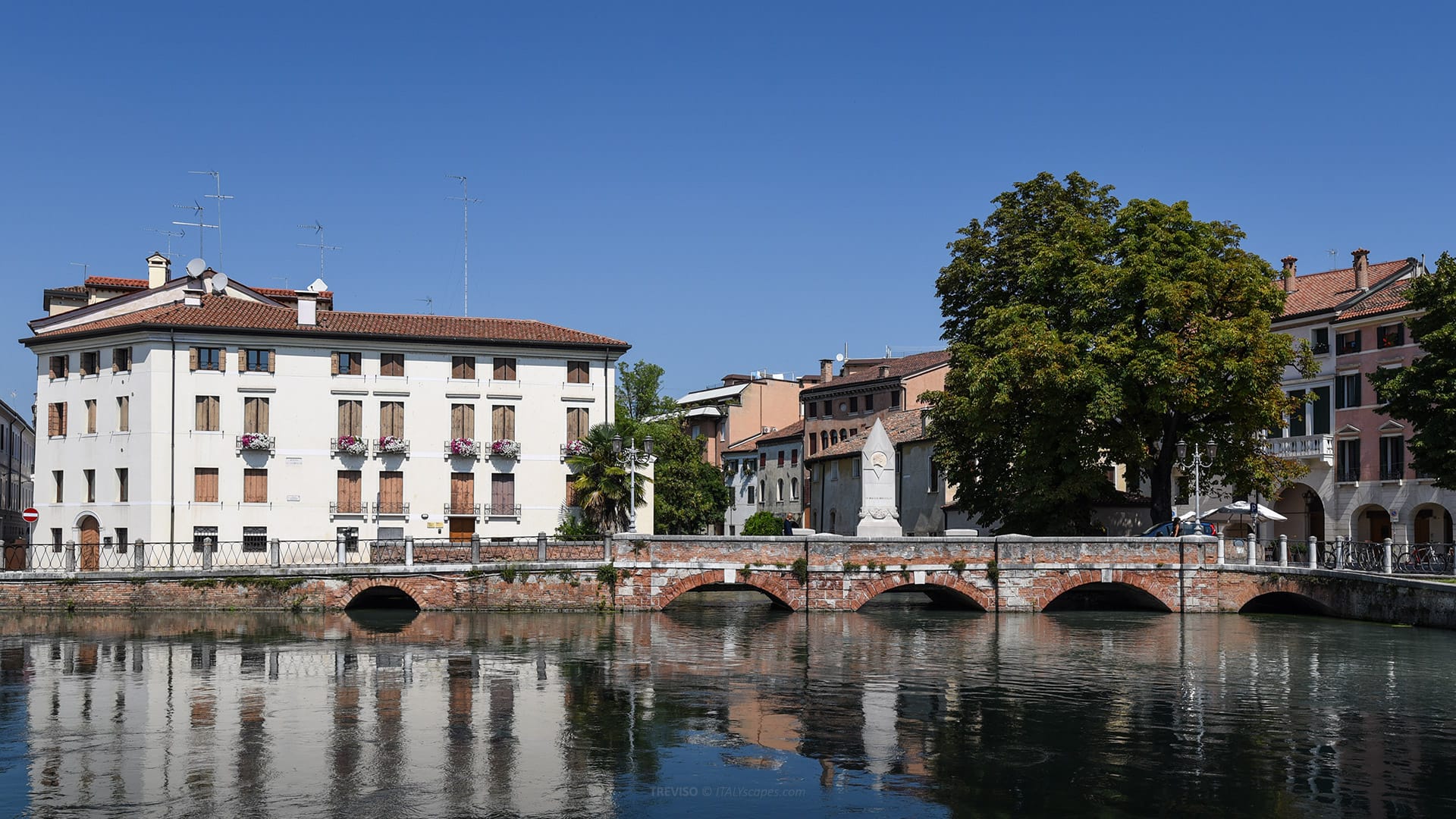
Treviso
4. Vicenza
We have visited Vicenza 3 times, and we believe it is one of the most important architectural cities in Italy. Its identity is inseparable from Andrea Palladio, whose buildings changed the history of architecture. Vicenza is essential for understanding Renaissance classicism in an urban context.
Vicenza ranks fourth among tourist destinations in Veneto because its cultural value is exceptional. It may be less famous than Venice, Verona, or Padua, but its historic center and Palladian villas give it a clear and internationally recognized identity. For architecture lovers, Vicenza is unavoidable.
What to See in Vicenza
The central landmark is the Basilica Palladiana, located in Piazza dei Signori. Its loggias are one of Palladio’s defining works and one of the most important architectural images in Veneto. The square also includes the Torre Bissara and other historic civic buildings.
Another essential monument is the Teatro Olimpico, Palladio’s final project and one of the most extraordinary indoor theaters in Europe. Other important sites include Palazzo Chiericati, Corso Andrea Palladio, Palazzo Barbaran da Porto, Palazzo Thiene, and the Sanctuary of Monte Berico.
Why Vicenza Is Worth Visiting
We think Vicenza is worth visiting because it is intellectually satisfying. The city is not only beautiful; it teaches visitors how architecture works. Façades, proportions, porticoes, civic spaces, and urban perspectives all help explain Palladio’s influence. Few tourist destinations in Veneto have such a coherent architectural identity.
Just outside the center, Villa La Rotonda is one of the most famous villas in the world. It confirms why Vicenza deserves repeated visits. We visited the city three times because it rewards comparison, return, and slow observation more than quick sightseeing.

Vicenza
3. Padua
We have visited Padua 5 times, and we believe it is one of the strongest cultural destinations in Veneto. It combines art, religion, university history, science, markets, large squares, and medieval streets. Padua is not always as celebrated as Verona, but it is extremely rich.
Padua ranks third because it has several major identities at once. It is a city of frescoes, a pilgrimage city, a university city, and a city of squares. Among tourist destinations in Veneto, it offers one of the deepest combinations of art and urban vitality.
What to See in Padua
The most important artistic site is the Scrovegni Chapel, famous for Giotto’s frescoes. This is one of the essential stops in northern Italy, not only in Veneto. The chapel changed the history of Western painting through narrative clarity, emotional intensity, spatial construction, and color.
The second major landmark is the Basilica of Saint Anthony, one of Italy’s most important pilgrimage churches. Other essential places include Prato della Valle, Palazzo della Ragione, Piazza delle Erbe, Piazza della Frutta, Caffè Pedrocchi, and the University of Padua.
Why Padua Is Worth Visiting
We think Padua is worth visiting because it feels complete. The city has major monuments, but also strong everyday life. Markets, students, pilgrims, cafés, porticoes, and squares create a living historic center. This makes Padua one of the most rewarding tourist destinations in Veneto.
Padua also has a major scientific identity through the Botanical Garden of Padua, founded in the sixteenth century. Together with the university, it shows that the city was not only an artistic center, but also a place of medicine, botany, research, teaching, and intellectual freedom.
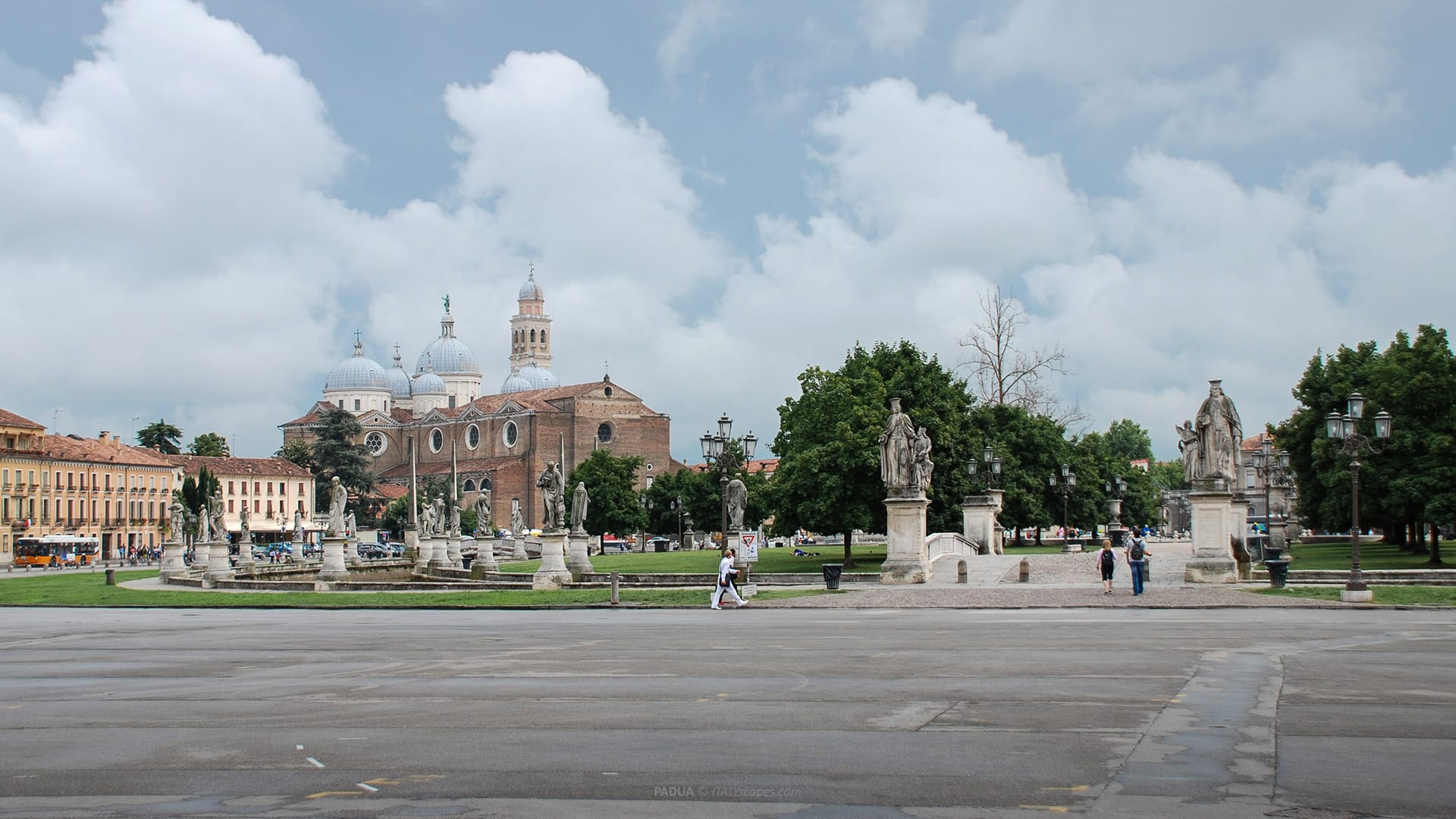
Padua
2. Verona
We have visited Verona 4 times, and we believe it is the best complete city-break destination in Veneto after Venice. It has Roman monuments, medieval buildings, Scaliger heritage, major churches, elegant squares, river views, opera traditions, and a compact historic center that is easy to explore.
Verona ranks second among tourist destinations in Veneto because it has both beauty and structure. It is monumental, but not impossible to visit. It is romantic, but not only because of Juliet. It is ancient, medieval, Renaissance, and modern at the same time.
What to See in Verona
The main landmark is the Arena di Verona, a Roman amphitheater and one of the strongest symbols of the city. It dominates Piazza Bra and remains central to Verona’s identity through history, architecture, opera performances, and its continuing use as a major venue.
Other essential attractions include Piazza delle Erbe, Piazza dei Signori, Torre dei Lamberti, Castelvecchio, Ponte Scaligero, Ponte Pietra, the Roman Theatre, the Scaliger Tombs, Juliet’s House, and Giardino Giusti. Verona’s variety is one of its biggest strengths.
Why Verona Is Worth Visiting
We think Verona is worth visiting because it balances monuments and atmosphere better than most cities. The Adige River shapes the old town, while bridges, hills, towers, churches, and viewpoints make the city visually memorable. It is one of the most photogenic tourist destinations in Veneto.
The churches of Verona are also essential. Basilica di San Zeno Maggiore, Verona Cathedral, Sant’Anastasia, and San Fermo Maggiore show different layers of Romanesque, Gothic, and medieval art. Verona is not only a city of squares and Roman monuments, but also a major church destination.
Why We Place Verona Above Padua
We place Verona above Padua because it has stronger overall tourism appeal for a first-time visitor. Padua is deeper in art and university history, but Verona is more immediately spectacular. Its Roman amphitheater, river landscape, medieval monuments, and urban beauty make it easier to recommend broadly.
Verona also gained renewed international visibility through Milano Cortina 2026, when the Arena di Verona was connected with the Olympic ceremonial program. That does not define the city, but it confirms its role as one of the most symbolic venues in northern Italy.
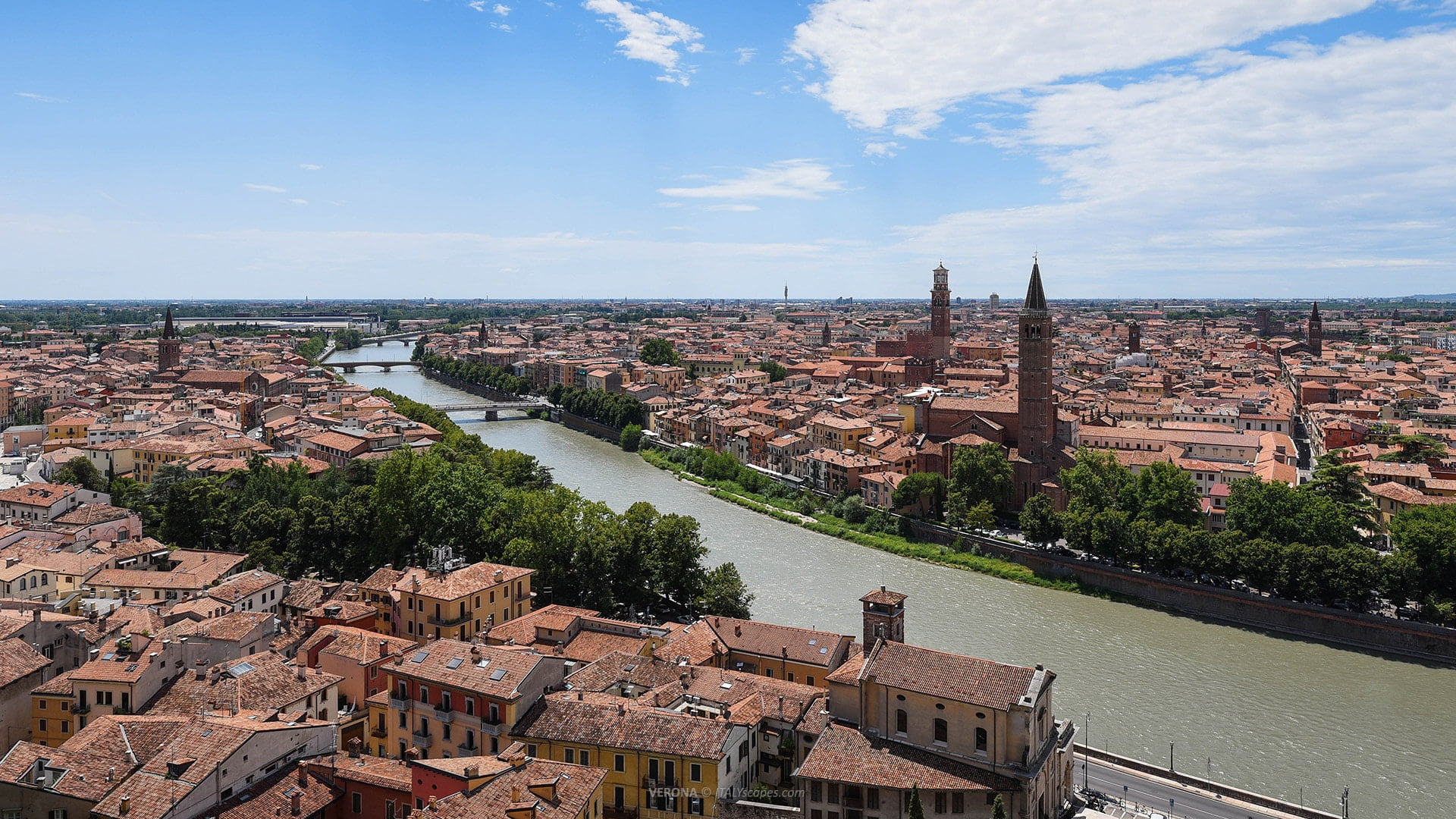
Verona
1. Venice
We have visited Venice 28 times, and we still believe it is the strongest destination in Veneto by far. No other city in the region can match its global identity, lagoon setting, artistic density, political history, architecture, churches, palaces, canals, bridges, and emotional impact.
Venice is first among tourist destinations in Veneto because it is unique not only in Italy, but in the world. Built across lagoon islands, shaped by maritime power, and organized around water instead of roads, Venice offers an urban experience that cannot be replaced by any other city.
What to See in Venice
The essential landmarks include Piazza San Marco, St Mark’s Basilica, Doge’s Palace, St Mark’s Campanile, Bridge of Sighs, Rialto Bridge, Grand Canal, Santa Maria della Salute, San Giorgio Maggiore, Frari Church, and Scuola Grande di San Rocco.
Venice is also a city of museums and art. Important places include the Gallerie dell’Accademia, Peggy Guggenheim Collection, Ca’ Rezzonico, Ca’ Pesaro, and the churches connected with artists such as Titian, Tintoretto, Veronese, Bellini, Giorgione, and Tiepolo.
Why Venice Is Worth Visiting Again and Again
We think Venice deserves repeated visits because the first visit is usually not enough. The famous route between San Marco, Rialto, and the Grand Canal is only the beginning. Venice becomes more interesting in Cannaregio, Dorsoduro, Castello, San Polo, and Santa Croce.
After 28 visits, we believe Venice is best understood through walking, getting lost, crossing small bridges, entering quiet churches, and returning to the same places in different seasons. It is one of the few tourist destinations in Veneto where repetition makes the city more powerful, not less.
Beyond the Main Island
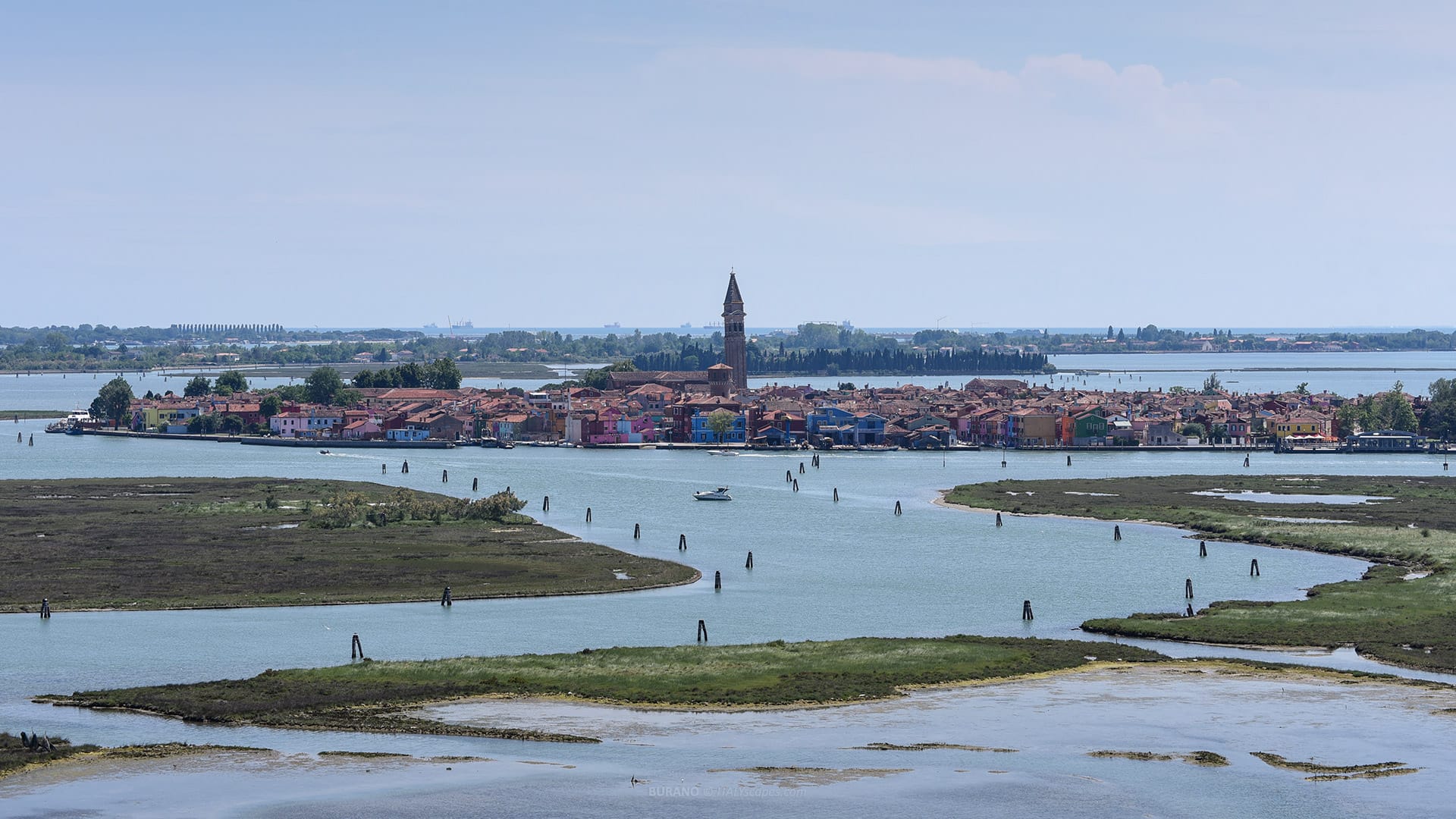
Venice also includes lagoon islands that are essential for a complete visit. Murano is known for glassmaking, Burano for colorful houses and lace traditions, and Torcello for early lagoon history. These islands help visitors understand Venice as a lagoon civilization, not only a historic center.
Other areas such as Giudecca, San Giorgio Maggiore, and the Lido di Venezia add different perspectives. From across the water, Venice often becomes easier to understand visually. The skyline, domes, bell towers, islands, and lagoon light explain why the city became so iconic.
Why We Place Venice Above Every Other Destination
We place Venice first because it defines Veneto internationally. Verona is magnificent, Padua is profound, Vicenza is architecturally essential, Treviso is elegant, and Cortina is spectacular, but Venice is the destination that changed the image of the region forever. It remains the strongest name among tourist destinations in Veneto.
Venice also contains more layers than a single article can cover. It was a maritime republic, a trading power, an artistic center, a lagoon settlement, and a political capital. Its palaces, canals, churches, bridges, and islands make it the most important destination in Veneto.

Venice
Why Veneto Is Worth Exploring Beyond Venice
After visiting Veneto repeatedly, we believe the region should not be reduced to Venice alone. Venice is clearly number one, but the other tourist destinations in Veneto explain the region’s depth. Verona, Padua, Vicenza, Treviso, Cortina, Bassano, Chioggia, Belluno, and Conegliano each show a different Veneto.
For a first trip, we would prioritize Venice, Verona, Padua, Vicenza, and Treviso. This route gives travelers the best introduction to art cities, architecture, Roman monuments, medieval frescoes, churches, squares, and canals. It is the most efficient cultural itinerary through the region.
For a deeper trip, we would add Bassano del Grappa, Chioggia, Conegliano, Belluno, and Cortina d’Ampezzo. These places complete the picture with river landscapes, lagoon life, wine hills, mountain views, and Alpine tourism. Together, they make tourist destinations in Veneto unusually diverse.
This is why we believe Veneto is one of Italy’s most complete travel regions. Few regions combine Venice, the Dolomites, Roman Verona, Palladian Vicenza, medieval Padua, quiet Treviso, wine landscapes, lagoon towns, and mountain resorts so naturally. For us, that diversity is Veneto’s greatest strength.
Frequently Asked Questions about the Best Tourist Destinations in Veneto
What are the best tourist destinations in Veneto?
The best tourist destinations in Veneto include Venice, Verona, Padua, Vicenza, Treviso, Cortina d’Ampezzo, Bassano del Grappa, Chioggia, Belluno, and Conegliano, each offering a different regional experience.
What is the most visited destination in Veneto?
Venice is the most famous and visited destination in Veneto. Its canals, bridges, palaces, churches, lagoon setting, and artistic heritage make it one of the world’s most iconic cities.
Which city in Veneto is best for art and history?
Padua is excellent for art and history, especially because of the Scrovegni Chapel, Basilica of Saint Anthony, Palazzo della Ragione, historic university, medieval squares, and fresco heritage.
What is the best destination in Veneto for architecture?
Vicenza is the best destination in Veneto for architecture. The city is strongly connected with Andrea Palladio, especially through the Basilica Palladiana, Teatro Olimpico, and nearby Villa La Rotonda.
Which tourist destination in Veneto is best for mountains?
Cortina d’Ampezzo is the best mountain destination in Veneto. It is located in the Dolomites and is famous for skiing, hiking, panoramic routes, Alpine scenery, and outdoor activities.
What is the best small city to visit in Veneto?
Bassano del Grappa is one of the best small cities in Veneto. The Ponte Vecchio, Brenta River, historic squares, grappa tradition, and mountain views make it memorable.
How many days are enough to visit Veneto?
For the main tourist destinations in Veneto, 7 to 10 days are ideal. This allows time for Venice, Verona, Padua, Vicenza, Treviso, and one or two smaller destinations.