
Table of Contents
Choosing the best city in Italy for a first trip is not as simple as choosing the most famous name on the map. Italy is not one destination, but a mosaic of very different cities, landscapes, histories, dialects, habits, and atmospheres. Your first Italian city can shape the way you understand the country.
For us, that first Italian city was Venice. We arrived there in 2008, by car, after a ski trip in Austria. We had only one day, from morning until evening, and almost no idea how deeply the city would impress us. That short visit became the beginning of a long Italian story.
Since then, over the last 18 years, we have visited over 100 Italian cities. We have returned to Venice many times, no fewer than 28 times after that first day, and we have also visited Rome, Milan, Florence, and Naples several times. Each city has its own strong personality, but Venice remains special.
If someone asked us today which is the best city in Italy to visit first, our answer would be Venice. Not because Rome, Florence, Milan, or Naples are not worth visiting, but because Venice offers the most immediate, concentrated, and unforgettable introduction to Italy’s beauty, history, and uniqueness.
Venice is compact, walkable, dramatic, and unlike any other city in Europe. In a small area, it concentrates canals, bridges, churches, palaces, squares, museums, lagoon views, and historic streets. The density of attractions per square meter is extraordinary, especially for a first-time visitor.
Rome is monumental, Florence is romantic, Milan is elegant and practical, and Naples is intense and full of life. However, Venice gives you the clearest “wow” moment from the very beginning. The moment you step out near the Grand Canal, Italy feels different from anywhere else.
Venice – The Best City in Italy for a First Visit
Is Venice worth visiting?
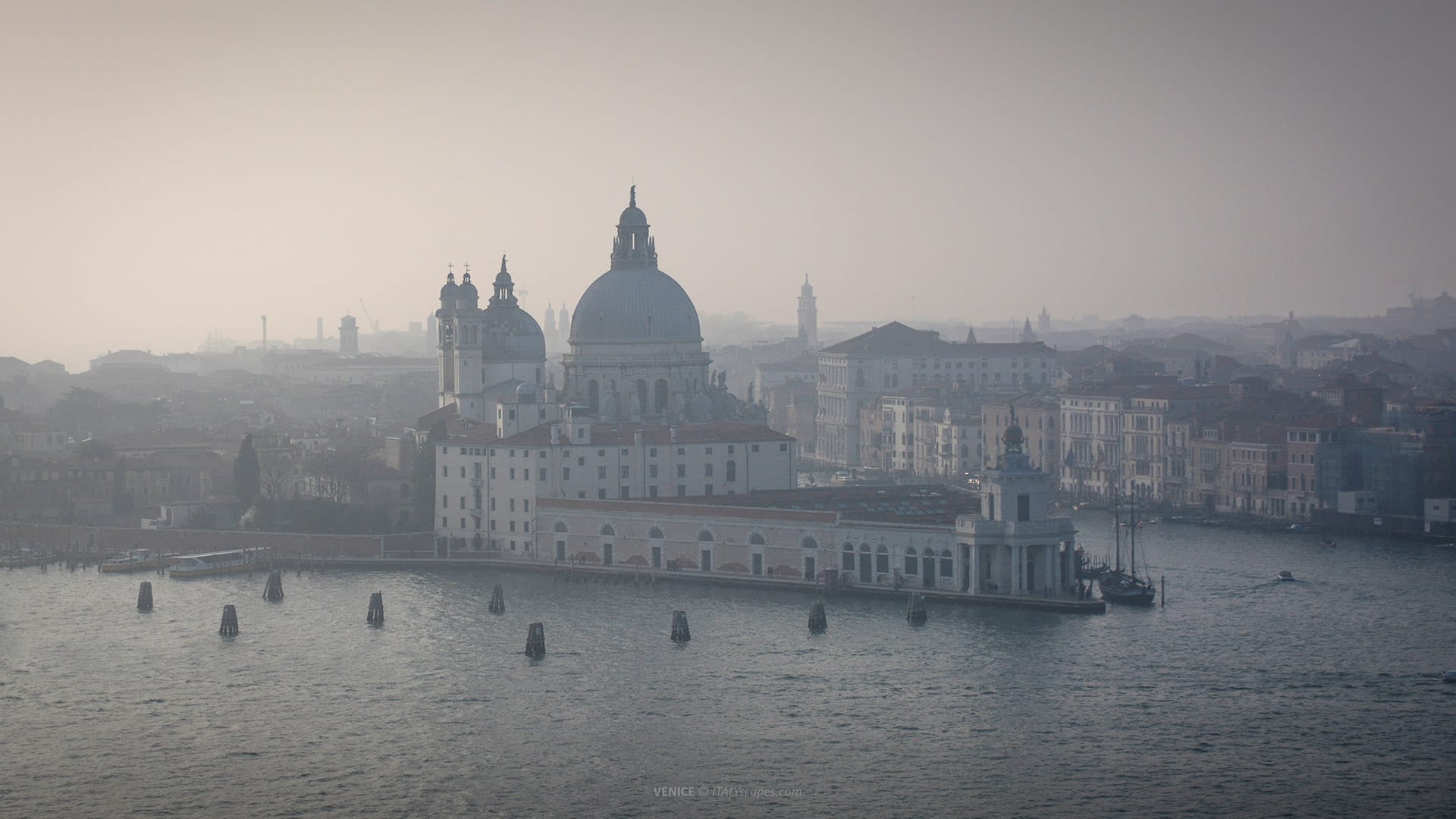
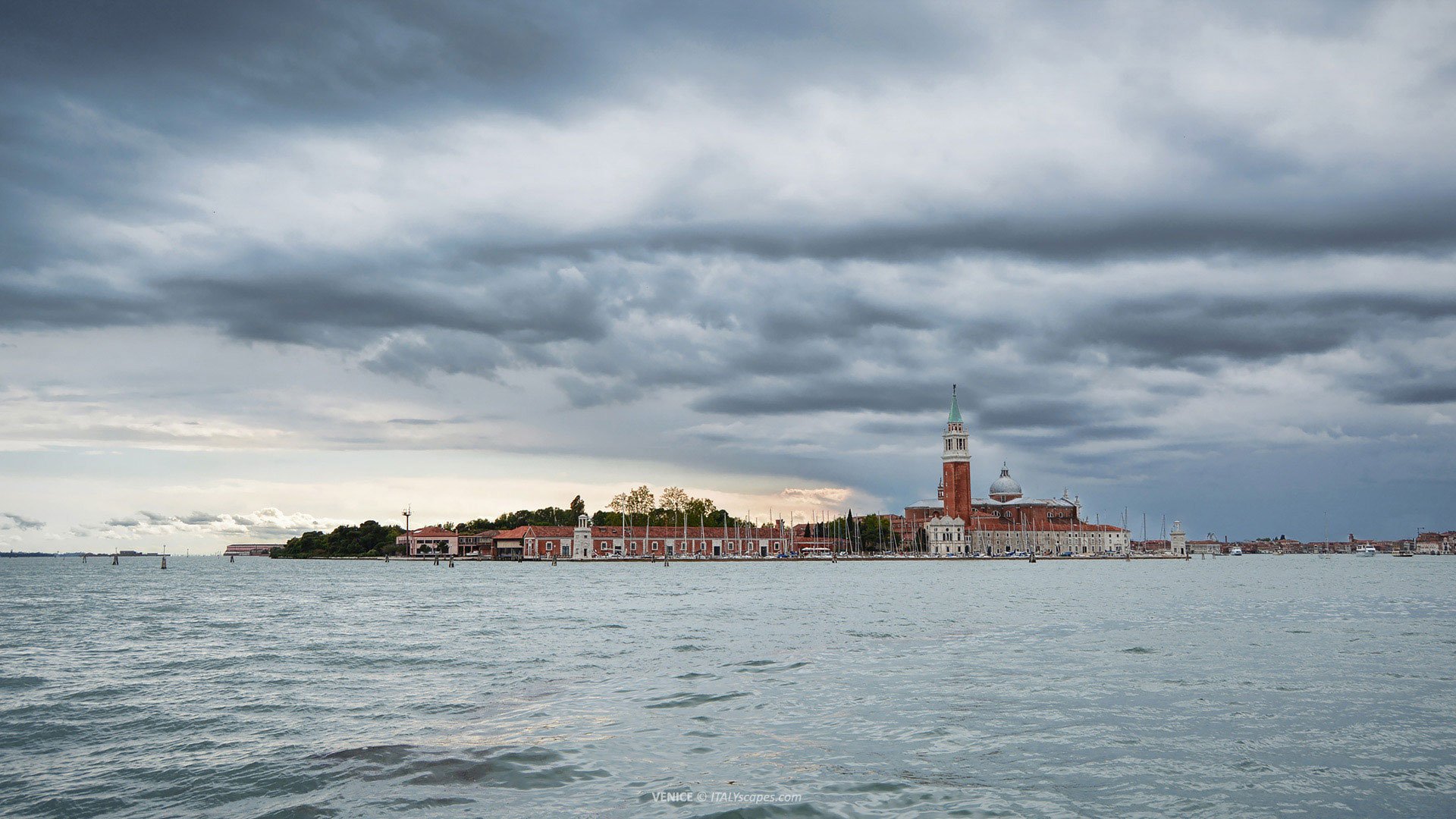
Yes, Venice is not only worth visiting, but it is probably the best city in Italy for a first trip. The city is built across a lagoon, with islands connected by canals and bridges, creating a setting that feels immediately different from every normal urban experience.
What makes Venice ideal for a first Italian visit is its compactness. You can walk from one major landmark to another, often discovering beautiful churches, small bridges, hidden courtyards, and canal views without planning every step. In Venice, even getting lost becomes part of the experience.
What is Venice famous for?
Venice is famous for being a city built on water, with canals instead of normal streets in many areas. The Grand Canal works like a main avenue, while vaporetti, gondolas, private boats, and service boats replace much of the traffic found in other cities.
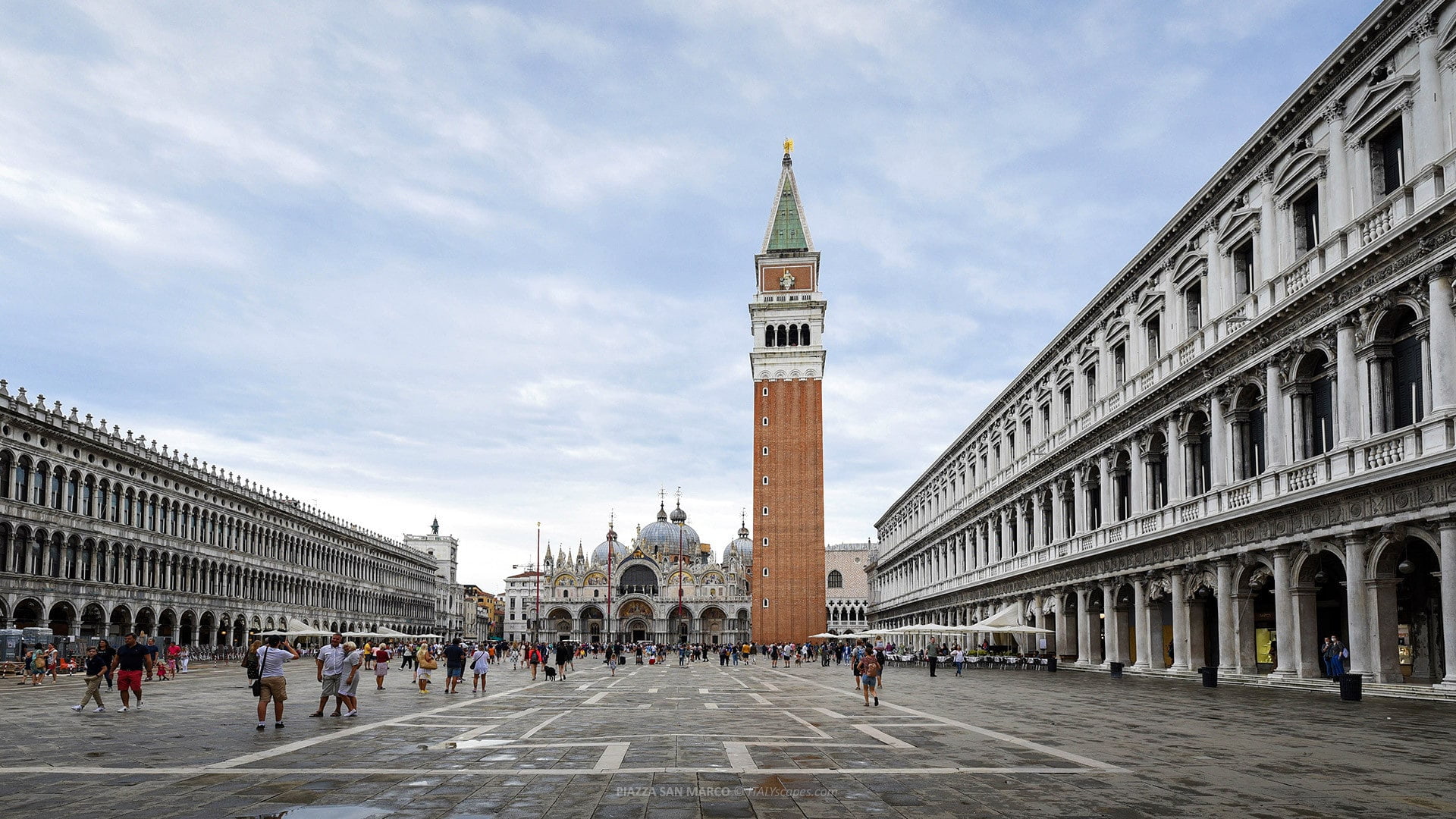
The city is also famous for Piazza San Marco, one of the most recognizable squares in Europe. Around it, visitors find Basilica di San Marco, the Campanile, the Procuratie, historic cafés, and the Doge’s Palace, which reflects the political power of the former Venetian Republic.
Venice is famous for its bridges, especially the Rialto Bridge and the Bridge of Sighs. It is also known for Murano glass, Burano’s colorful houses, Venetian masks, Carnival, Byzantine influences, Gothic palaces, Renaissance art, and a lagoon environment that shaped its entire history.
For a first-time traveler, this fame matters because Venice delivers its identity instantly. You do not need long explanations to understand why it is extraordinary.
Is Venice expensive?
Venice can be expensive, especially around Piazza San Marco, the Rialto area, luxury hotels, gondola rides, and high-season accommodation. Restaurants in the most touristy streets can also be overpriced. However, Venice does not have to be impossibly expensive if you choose carefully.
A first visit can be managed with smart choices. Staying in Mestre, Marghera, Lido, or less central areas can reduce accommodation costs. Eating in bacari, avoiding restaurants with aggressive tourist menus, and using public transport wisely can make the city much more affordable.
The important thing is to avoid treating Venice like a checklist of paid attractions. Some of its best moments happen while crossing a small bridge at sunset, entering a quiet campo, watching boats on the Grand Canal, or walking early in the morning before the crowds.
Is Venice safe?
Venice is generally a safe city for tourists, especially compared with many large urban destinations. The absence of cars in the historic center changes the feeling of the city completely. Walking through Venice often feels calmer than walking through bigger Italian cities with heavy traffic.
The main problems for visitors are usually not dangerous situations, but crowds, pickpocketing in busy areas, high prices in tourist zones, and the risk of getting lost. Getting lost in Venice is normal, but it is usually more charming than frightening, especially during the day.
For a first-time visitor, Venice has another advantage: the historic center is compact and easy to understand after a few hours. You may get lost, but you rarely feel that you have moved into a completely unrelated district. The city remains visually coherent and pedestrian-friendly.
When is the best time to visit Venice?
The best time to visit Venice is usually spring or autumn, when temperatures are milder and the light is beautiful. April, May, September, and October are especially good months, although they can still be busy because Venice is famous throughout the year.
Summer can be hot, humid, crowded, and expensive. Winter can be atmospheric, quieter, and mysterious, especially in fog, but some days are cold and damp. Carnival brings a unique atmosphere, masks, costumes, and events, but also higher prices and bigger crowds.
This is one reason Venice wins our personal ranking. In a short time, it gives you a complete emotional introduction to Italy.
Rome – The Eternal City That Needs Time
Is Rome worth visiting?
Rome is absolutely worth visiting, but for us it was not love at first sight. The first time, Rome felt large, chaotic, and difficult to absorb. With each later visit, however, we began to appreciate it more, especially certain places and specific urban atmospheres.
Rome is the capital of Italy and one of the most historically important cities in the world. It contains ancient Roman ruins, Renaissance palaces, Baroque squares, papal basilicas, museums, fountains, and neighborhoods shaped by many centuries of political, religious, and artistic power.
Over time, we started loving specific areas: Piazza di Spagna, the streets around the Spanish Steps, and the zone near the Colosseum. Rome rewards repeated visits because it is not a city you fully understand in one day. It grows on you slowly.
What is Rome famous for?
Rome is famous for being the Eternal City, the former center of the Roman Empire, and the heart of Catholic Christianity through its connection with the Vatican. Few cities in the world combine ancient archaeology, religious importance, political power, and artistic heritage so strongly.
The Colosseum remains its most recognizable monument, but Rome is more than one amphitheater. The Roman Forum, Palatine Hill, Pantheon, imperial roads, aqueducts, basilicas, fountains, and piazzas create a historic landscape that covers a large part of the central city.
Compared with Venice, Rome is less compact and more demanding. It has more monumental history, but it requires more planning, more walking between distant sites, and more patience with traffic and crowds. For a first Italian city, it may feel too big.

Is Rome expensive?
Rome can be expensive, especially in central areas near the Pantheon, Trevi Fountain, Piazza di Spagna, Piazza Navona, and the Colosseum. Hotels in historic areas can cost a lot, particularly in high season, during holidays, and around major religious or cultural events.
However, Rome offers more variety than Venice. Because it is a large capital, it has many neighborhoods, many accommodation types, and many restaurants for different budgets. You can spend a lot, but you can also eat well without choosing the most central tourist streets.
Is Rome safe?
Rome is generally safe for tourists, but it is a big city, and visitors should pay attention in crowded areas. Pickpocketing can occur around major attractions, metro stations, buses, and train stations, especially Termini. This is not unusual for a major European capital.
The city’s traffic can also feel stressful. Crossing streets, moving between neighborhoods, and navigating busy areas require more attention than in Venice. Rome is not dangerous in a dramatic sense, but it is more urban, louder, and less protected from daily city pressure.
When is the best time to visit Rome?
The best time to visit Rome is spring or autumn. April, May, September, and October usually offer pleasant weather for walking. These months are popular, but they are still more comfortable than the hottest part of summer, when sightseeing can become exhausting.
Winter can be a good choice for lower crowds and cooler temperatures. Rome does not lose its appeal in winter, because its main attractions are monuments, churches, museums, streets, and piazzas. Summer brings long days but also heat, crowds, and higher prices.

Milan – Italy’s Elegant but Less Emotional City
Is Milan worth visiting?
Milan is worth visiting, especially for the Duomo, Piazza del Duomo, major churches, museums, shopping streets, and modern urban districts. It is Italy’s financial and fashion capital, and it has a different rhythm from Rome, Florence, Venice, or Naples.
We have visited Milan several times, but our relationship with the city is selective. Milan feels more practical, business-oriented, and modern. That is not a weakness, but it changes the travel experience. For someone visiting Italy for the first time, Milan may not deliver the same emotional shock as Venice, Rome, Florence, or Naples.
The city is important, wealthy, dynamic, and culturally rich, but it is not the clearest introduction to the Italy many first-time visitors dream about. If you begin with Milan, you may admire it, but you may not immediately understand why Italy becomes addictive.
What is Milan famous for?
Milan is famous for fashion, design, finance, business, opera, and the Duomo. The city is home to one of the most impressive Gothic cathedrals in Europe, located in Piazza del Duomo, a central space that gives Milan its most iconic image.
The Galleria Vittorio Emanuele II, next to the cathedral, is one of the city’s most elegant landmarks. Milan is also known for Teatro alla Scala, Sforza Castle, Brera, Santa Maria delle Grazie, and Leonardo da Vinci’s Last Supper, one of Italy’s most famous artworks.
For a first trip, Milan is excellent if you are interested in fashion, shopping, design, business culture, or a practical northern Italian base. But if you want canals, palaces, bridges, churches, and historic drama concentrated in a walkable setting, Venice is stronger.

Is Milan expensive?
Milan is one of Italy’s more expensive cities. Accommodation, restaurants, fashion shopping, aperitivo in central areas, and events can raise the budget quickly. Prices near the Duomo, Brera, Quadrilatero della Moda, and major business zones are often high.
However, Milan is also a real working city, so it has many options beyond luxury. You can find cheaper food, public transport is useful, and the city is well connected by train and air. It is practical for travelers moving through northern Italy.
Is Milan safe?
Milan is generally safe, but it is a large, busy city. As in other major European cities, visitors should be careful in crowded places, around stations, on public transport, and in tourist areas. Central Milan is usually comfortable, especially during the day.
The area around Milano Centrale can feel less pleasant at certain hours, although it is heavily used by travelers. The historic center, Brera, Duomo area, Navigli, and main shopping streets are generally popular, active, and easy to navigate with normal urban awareness.
When is the best time to visit Milan?
The best time to visit Milan is spring or autumn, when the weather is generally comfortable for walking. April, May, September, and October are good choices, although prices can rise during major fairs, fashion events, and design-related weeks.
Summer can be hot and humid, while August may feel quieter because many locals leave the city. Winter can be cold and gray, but it also brings Christmas lights, shopping, museums, opera, and indoor attractions, making Milan usable throughout the year.

Florence – Romantic, Artistic, and Best Enjoyed Slowly
Is Florence worth visiting?
Florence is absolutely worth visiting and is one of the most beautiful cities in Italy. It is compact, artistic, elegant, and deeply connected with the Renaissance. If Venice did not exist, Florence would be a very strong candidate for the best first city in Italy.
We have visited Florence several times, and for us it is one of the most romantic cities in the country. However, we do not experience Florence only through museums or monuments. In Florence, atmosphere often matters more than checking attractions off a list.
Instead of rushing to visit the Cathedral interior, we sometimes prefer to spend time at Piazzale Michelangelo at sunset. From there, the view over the Arno, the Duomo, Palazzo Vecchio, bridges, and terracotta rooftops creates one of the most emotional urban panoramas in Italy.
Florence is ideal for art lovers, couples, walkers, and travelers who enjoy beauty at a slower rhythm. It is more compact than Rome and Milan, but it can feel crowded because its historic center receives huge numbers of visitors in a limited space.
What is Florence famous for?
Florence is famous as the Cradle of the Renaissance. Its historic center is associated with the Medici, Brunelleschi, Michelangelo, Botticelli, Giotto, Leonardo da Vinci, and many other figures who shaped European art, architecture, and culture.
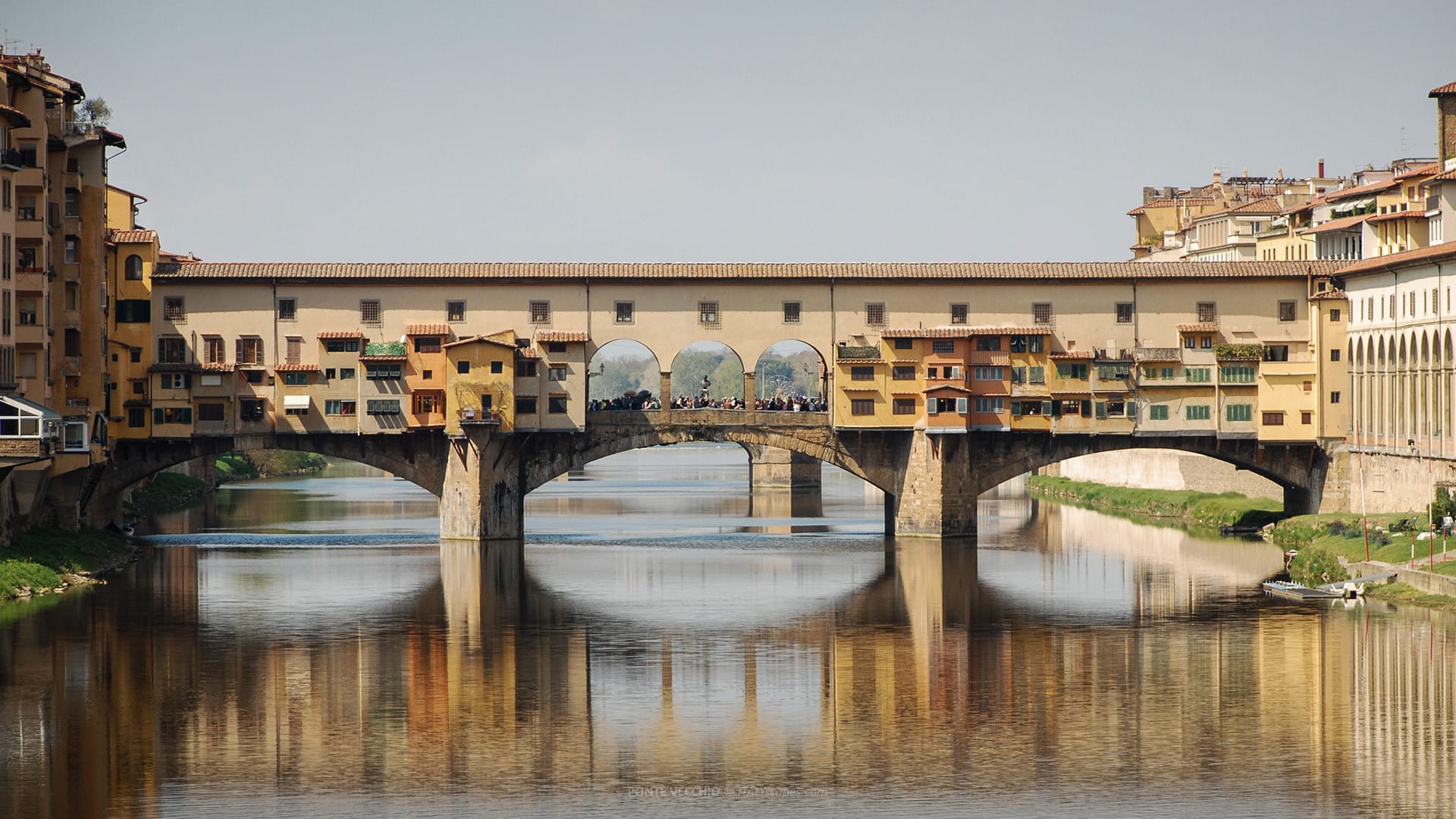
The city’s most famous landmarks include the Cathedral of Santa Maria del Fiore, Brunelleschi’s dome, Giotto’s Campanile, the Baptistery, Piazza della Signoria, Palazzo Vecchio, the Uffizi Gallery, Ponte Vecchio, Palazzo Pitti, Boboli Gardens, and Santa Croce.
For a first trip, Florence is easier than Rome and more emotional than Milan. However, compared with Venice, it feels slightly less unique as an urban concept.

Is Florence expensive?
Florence can be expensive, especially in the historic center, near the Duomo, Piazza della Signoria, Ponte Vecchio, and the main museums. Accommodation prices rise in high season, and restaurants in the most central streets can be aimed heavily at tourists.
Still, Florence is easier to manage than Venice in some ways. The city has many trattorias, cafés, markets, and accommodations within walking distance of the center. Because the main historic area is compact, you can save money by walking almost everywhere.
Museum costs can add up, especially if you visit the Uffizi, Accademia, Palazzo Pitti, and other paid attractions. But Florence also offers free or low-cost pleasures: walking along the Arno, exploring Oltrarno, visiting squares, and watching sunset from panoramic viewpoints.
Is Florence safe?
Florence is generally safe for tourists, especially in the historic center and main sightseeing areas. The biggest issues are usually crowds, pickpocketing in busy places, tourist traps, and occasional discomfort around very crowded streets during peak season.
At night, central Florence remains active, particularly around restaurants, squares, and the river. As in any famous city, visitors should pay attention to bags and avoid poorly lit empty areas late at night, but Florence does not usually feel intimidating.
When is the best time to visit Florence?
The best time to visit Florence is spring or autumn. April, May, September, and October usually offer good weather for walking, photography, river views, and outdoor terraces. These months are popular, but they are more pleasant than the hot summer period.
Summer in Florence can be very hot and crowded. The stone streets, museum lines, and central squares can become tiring during the day. Winter is quieter and can be beautiful, especially for museums, churches, food, and slower walks through the historic center.
Naples – Intense, Beautiful, and Full of Character
Is Naples worth visiting?
Naples is absolutely worth visiting, especially for travelers who enjoy intense cities with strong identity. It is not polished like Florence, elegant like Milan, or theatrical like Venice. Naples is noisy, layered, emotional, chaotic, historic, and deeply alive.
We like the whole area around Naples: the Amalfi Coast, Capri, Ischia, Procida, Pompeii, Herculaneum, Vesuvius, Sorrento, and the Gulf of Naples. Naples itself has a special charm, especially in the narrow streets of the historic center. The old town feels dense, real, loud, and full of street life.
However, Naples is not the easiest first Italian city. It can be overwhelming for beginners. It is better for travelers who already know that Italy is not only postcard beauty, but also energy, contrasts, history, poverty, pride, and daily life lived outside.
What is Naples famous for?
Naples is famous for pizza, the historic center, the Gulf of Naples, Vesuvius, underground sites, churches, castles, street life, music, and its position near Pompeii and Herculaneum. Its historic center is one of the largest and most important in Europe.
The city has Greek origins and centuries of Roman, Byzantine, Norman, Angevin, Aragonese, Spanish, and Bourbon history. This long past is visible in its churches, monasteries, palaces, castles, streets, and archaeological remains. Naples is a city of accumulated civilizations.
Naples is also famous as a base for exploring the region. Capri, Ischia, and Procida are reached by boat. The Amalfi Coast is nearby, and Pompeii and Herculaneum are among the most important archaeological sites connected with ancient Roman life.

Is Naples expensive?
Naples is generally less expensive than Venice, Rome, Milan, or Florence, especially for food. Pizza, pastries, coffee, street food, and many casual meals are often good value. Accommodation can also be more affordable, depending on the neighborhood and season.
However, costs rise if you use Naples as a base for Capri, the Amalfi Coast, private transfers, boat trips, or high-season coastal experiences. The surrounding area is beautiful, but some nearby destinations are among the most expensive in southern Italy.
Is Naples safe?
Naples is generally visitable and rewarding, but it requires more attention than Venice or Florence. Visitors should be careful with bags, phones, watches, and wallets, especially in crowded areas, train stations, markets, and busy streets with scooters.
The city’s reputation is sometimes exaggerated, but first-time visitors may still feel overwhelmed by traffic, noise, narrow streets, and the pace of daily life. Naples is not necessarily dangerous, but it can feel less controlled than northern or central Italian cities.
When is the best time to visit Naples?
The best time to visit Naples is spring or autumn, especially April, May, September, and October. These months are good for walking through the historic center, visiting Pompeii, taking ferries, and exploring the coast without the strongest summer heat.
Summer can be hot and very busy, especially if you plan to combine Naples with Capri, Ischia, Procida, Sorrento, or the Amalfi Coast. Winter is milder than in northern Italy and can still be good for food, museums, churches, and city walks.

Final Verdict – Why Venice Is the Best City in Italy to Visit First
After 18 years of traveling through Italy and visiting over 100 Italian cities, our answer remains clear: Venice is the best city in Italy to visit first. It is not the biggest, not the cheapest, and not the easiest in every practical sense, but it is the most unforgettable beginning.
Venice wins because it is compact. A first-time visitor can see world-famous landmarks, quiet canals, historic bridges, churches, palaces, and lagoon views without crossing huge distances. The city’s scale helps visitors feel rewarded quickly, even during a short stay.
Venice also wins because its attraction density is exceptional. In a small area, you can experience Piazza San Marco, the Grand Canal, Rialto, the Doge’s Palace, Basilica di San Marco, small campi, hidden churches, and countless bridges. Few cities offer so much visual richness so close together.
Rome is greater in historical scale, but it needs time and patience. Milan is elegant and important, but less emotional. Florence is romantic and artistic, but more familiar as a Renaissance city. Naples is alive and fascinating, but more intense for beginners.
Venice is different from the first minute. The absence of cars, the sound of water, the reflections on canals, the narrow streets, and the sudden openings into squares create an experience that feels immediately Italian and yet completely unique within Italy.
Our personal history proves this. We first visited Venice in 2008 for only one day. That day was enough to impress us deeply. Since then, we have returned again and again, 28 more times, and the city still works.
Frequently Asked Questions about the Best City in Italy
What is the best city in Italy for a first visit?
Venice is the best city in Italy for a first visit because it is compact, unique, walkable, and full of famous attractions concentrated in a very small historic center.
Is Rome better than Venice for a first trip to Italy?
Rome has greater historical scale, but Venice is easier to explore on a first visit. Rome needs more time, planning, and repeated visits to appreciate fully.
Is Florence a good city in Italy for a first visit?
Yes, Florence is romantic, artistic, compact, and beautiful. However, Venice feels more unique and immediately impressive for someone discovering Italy for the first time.
Is Milan worth visiting on a first trip to Italy?
Milan is worth visiting for the Duomo, Piazza del Duomo, fashion, design, and churches, but it is less atmospheric than Venice, Florence, Rome, or Naples.
Is Naples good for a first visit to Italy?
Naples is fascinating, historic, and full of character, but it can feel intense for first-time visitors. It is better after discovering Italy’s easier cities first.


