Table of Contents
The Venice Carnival can look expensive at first glance, especially when photographs highlight palace balls, period costumes, gondola rides, luxury hotels, and elegant dinners. None of those experiences is essential. A carefully planned trip can still include public performances, historic streets, seasonal food, and the city’s atmosphere without a premium budget.
The Venice Carnival 2027 will run from January 23 to February 9, ending on Shrove Tuesday. That long calendar gives budget travellers flexibility. Instead of concentrating on the final weekend, visitors can compare several dates, choose cheaper nights, and build a trip around public activities rather than costly private events.
The biggest savings usually come from accommodation, transport, and food. Staying in Mestre or Marghera, walking through historic Venice, using public transport only when it is genuinely useful, and eating in bacari or bakeries can reduce daily costs considerably while preserving the essential Venice Carnival experience.
A budget visit also becomes easier when travellers stop treating Piazza San Marco as the only destination. Venice Carnival activity spreads through streets, campi, neighbourhoods, islands, and parts of the mainland. Exploring beyond the most famous square often means lower prices, fewer crowds, and more local atmosphere.
The detailed 2027 public programme is still being completed, so individual performances should be checked closer to departure. What is already confirmed is the overall Venice Carnival period, while the official Dinner Show has published dates and prices. For budget travellers, free public space remains the core resource.

Choose the Right Dates
A budget trip should begin with the calendar. Venice Carnival 2027 lasts more than two weeks, so visitors do not need to arrive only for the closing weekend or Shrove Tuesday. Accommodation demand generally rises around major weekends, making date flexibility one of the simplest ways to save money.
Weekdays are often easier for accommodation searches and for moving through the historic centre. The city does not stop feeling like Venice Carnival between weekends, because visitors in costume, decorated spaces, seasonal food, and public activity continue across the period. Choosing Monday to Thursday nights can therefore improve value without removing the atmosphere.
Travellers with flexible flights or trains should compare the complete trip cost rather than one room rate. A slightly more expensive journey combined with much cheaper accommodation can still reduce the total. During Venice Carnival, hotel prices can influence the budget more than transport to Venice itself.
The final days deserve particular attention because February 9, 2027 is Shrove Tuesday and the last official day of the festival. Anyone mainly interested in saving money should compare earlier dates with the closing period, when demand can be stronger and central accommodation harder to find.
Booking early matters because budget rooms disappear before luxury inventory. Venice is normally quieter in winter, but Venice Carnival temporarily reverses that pattern. A traveller who waits until the last moment may still find accommodation, yet the cheapest practical rooms near useful transport connections are usually the first to vanish.
Save Money on Accommodation
Stay in Mestre
Mestre is the most practical mainland base for many Venice Carnival visitors. It belongs to the Municipality of Venice but offers a much larger stock of conventional hotels, hostels, apartments, and guesthouses. Prices are often lower than inside the lagoon city, especially when comparing properties with similar comfort and private facilities.
Trains connect Venezia Mestre with Venezia Santa Lucia, delivering passengers directly to the western edge of historic Venice. Services are frequent and the journey is short, making Mestre useful for travellers who plan to spend the entire day at Venice Carnival before returning to the mainland only at night.
The compromise is straightforward. Staying in Mestre means giving up the pleasure of stepping directly into quiet Venetian streets early in the morning or late at night. In exchange, travellers can often obtain larger rooms, easier luggage access, elevators, newer buildings, and better overall value.
Mestre is especially convenient for rail travellers arriving from other Italian cities because Venezia Mestre is a major station. Choosing accommodation within walking distance of the station can simplify both arrival and departure while avoiding repeated local transfers with luggage, which makes location more important than the lowest advertised rate.
When comparing mainland hotels, calculate the entire daily cost. A room far from Venezia Mestre or useful bus and tram routes may save several euros but create extra transport expenses and long evening journeys. A slightly more central property can therefore be cheaper in practice over a multi-day stay.
Consider Marghera
Marghera is another mainland option immediately southwest of Mestre. It has hotels, hostels, apartments, and inexpensive restaurants, and it is connected with Venice through the metropolitan transport network. Because it attracts fewer visitors seeking a romantic Venice address, room rates can sometimes be more competitive than in central Mestre.
For Venice Carnival visitors, the best Marghera properties are those with straightforward access to buses, trams, or connections toward Mestre and Piazzale Roma. A cheap room becomes less useful if returning after an evening in Venice requires complicated changes, long waits, or an expensive taxi after public transport finishes.
Marghera can also suit Venice Carnival travellers arriving by car because parking is easier on the mainland. Private cars cannot continue into historic Venice, so driving to Piazzale Roma or Tronchetto means additional parking charges. Leaving the vehicle near accommodation can produce substantial savings over several days.
Before booking, check the final evening connection rather than only the morning route. Venice Carnival days can extend well after sunset, and travellers may want to remain for performances or dinner. Accommodation is genuinely budget-friendly only when the return journey remains practical at the time you actually plan to leave Venice.
Staying Inside Venice Without Paying San Marco Prices
Travellers determined to sleep inside historic Venice should look beyond San Marco. Cannaregio, Castello, Santa Croce, and parts of Dorsoduro can offer better value than hotels immediately around Piazza San Marco, especially when booked early and compared across several nights rather than only one weekend date.
Cannaregio is particularly practical for rail arrivals because large parts of the district are walkable from Venezia Santa Lucia. Visitors can avoid daily mainland commuting while still reaching Rialto and San Marco on foot through neighbourhoods filled with bacari, bakeries, supermarkets, and less expensive casual dining options.
Castello can provide another useful compromise. Its western section lies close to San Marco, while streets farther east become more residential and less dominated by visitors. Travellers prepared to walk longer distances may find better accommodation value without leaving the historic city or purchasing daily vaporetto tickets.
Always check what a rate actually includes. Breakfast, cancellation terms, luggage storage, and local taxes can change the final cost. During Venice Carnival 2027, paying slightly more for a well-connected room with useful services may be more economical than choosing the cheapest non-refundable option with hidden practical disadvantages.
Use Public Transport Strategically
Walk Whenever Possible
Venice is fundamentally a pedestrian city. Once visitors arrive at Venezia Santa Lucia or Piazzale Roma, much of the historic centre can be explored entirely on foot. Walking is therefore the cheapest form of transport in Venice, and it also matches the way Venice Carnival is naturally experienced.
The festival is not confined to one fenced venue. Much of its atmosphere appears while crossing bridges, moving through calli, entering campi, or encountering performers and costumed visitors unexpectedly. Using water buses for every short movement can therefore cost more while removing some of the street-level experience.
The historic centre is compact, although routes are rarely straight because canals and bridges determine movement. Signs point toward major destinations such as Rialto, San Marco, Ferrovia, and Piazzale Roma. A navigation app helps, but small detours are normal in Venice and usually add only modest walking time.
Walking becomes slower during peak Venice Carnival periods when narrow routes near Rialto and San Marco become crowded. Visitors heading to a scheduled event should therefore leave a generous margin. A route that appears short on a map may take longer when thousands of pedestrians are moving through the same bottlenecks.
Comfortable footwear is one of the most practical budget investments. Venice Carnival takes place in winter, when stone pavements can be cold or wet and visitors may walk for many hours. Good shoes reduce the temptation to buy unnecessary transport tickets simply because your feet are tired before the day is finished.
Buses and Trams From the Mainland
Venice Carnival visitors staying in Mestre or Marghera can use ACTV buses and trams to reach Piazzale Roma, the road transport terminal at Venice’s western entrance. The current 75-minute land ticket costs €1.50 and covers urban buses, trams, and the People Mover, excluding Marco Polo Airport services.
A traveller who commutes from the mainland and then walks through Venice may need only inexpensive land transport rather than an integrated water-bus pass. This distinction matters because land tickets are far cheaper than navigation tickets. Choosing the correct ticket type can save a significant amount over several days.
Train travel from Venezia Mestre to Venezia Santa Lucia is another practical option. It avoids road congestion and places passengers directly beside the Grand Canal. Rail tickets are separate from ACTV fares, so visitors should compare train and local transport according to their hotel location and preferred return time.
ACTV also operates a Mestre Daily Pass priced at €5 under the current contactless fare system for eligible urban land journeys. This can be useful for travellers making several bus or tram trips on the mainland, although airport routes and services outside the included network follow different rules.
Do Not Buy Vaporetto Tickets Automatically
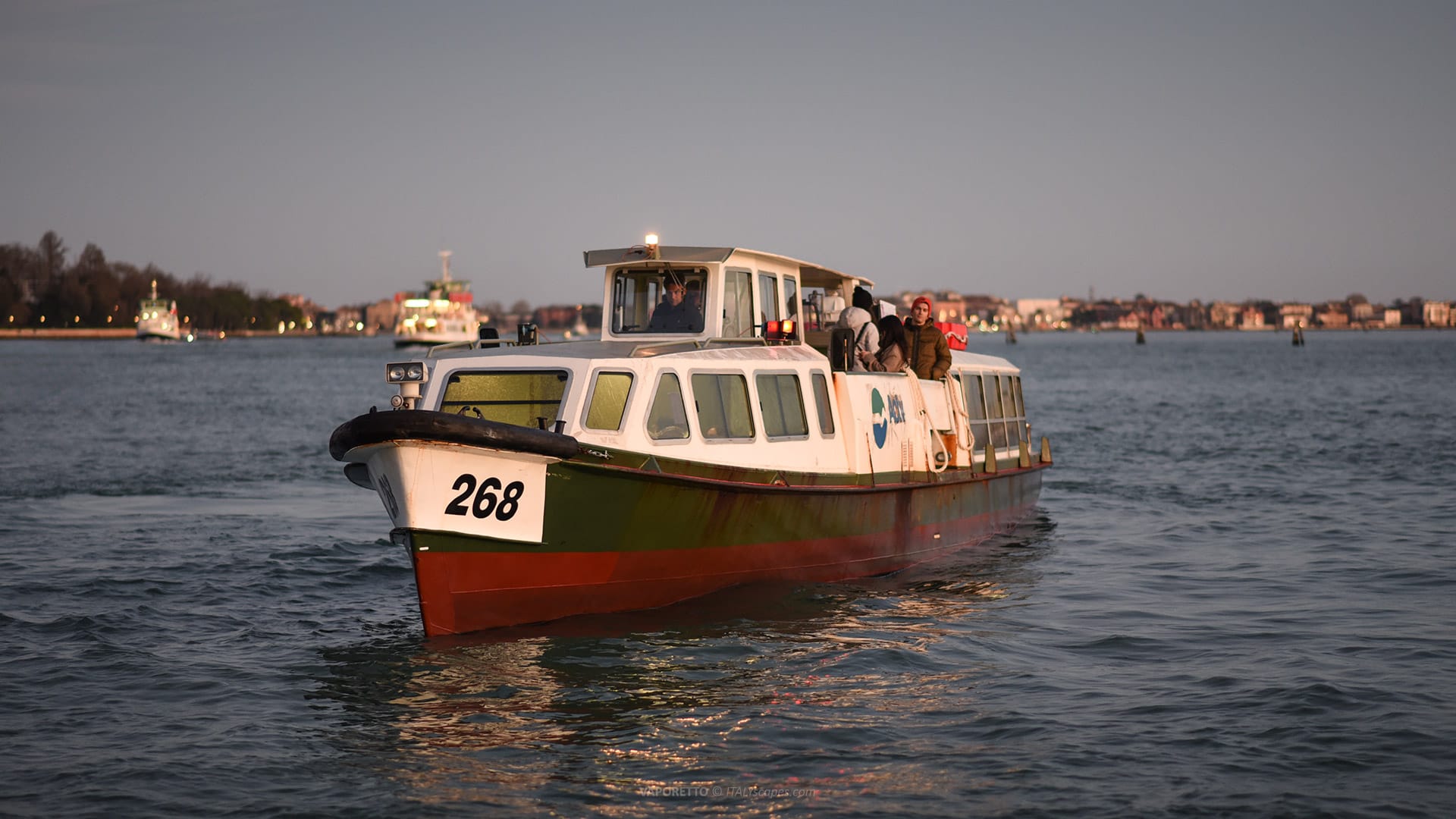
Water buses are useful and sometimes essential, but individual journeys are expensive compared with walking. The current 75-minute ACTV water-and-land ticket costs €9.50, so several spontaneous vaporetto rides can quickly exceed the amount a budget traveller intended to spend on transport during an entire day.
Current ACTV time-limited passes cost €25 for 24 hours, €35 for 48 hours, €45 for 72 hours, and €65 for seven days. These products can be excellent value for intensive use, but only when the itinerary actually includes enough boat or land journeys to justify them.
Someone staying in Cannaregio and concentrating on San Marco, Rialto, Castello, San Polo, and Dorsoduro may walk almost everywhere. In that case, buying unlimited transport simply because it appears convenient can be wasteful. The best approach is to calculate expected journeys before purchasing a pass.
A pass becomes more logical when visiting Murano, Burano, Lido, or several distant parts of Venice in one day. Travellers aged six to twenty-nine should also check Rolling Venice, whose current 72-hour public-transport package costs €33 and combines transport with the official youth discount card.
Transport prices can change before Venice Carnival 2027, so every budget should be treated as provisional until tickets are purchased. The useful principle is stable: walk when destinations are close, use land transport for mainland commuting, and buy multi-day ACTV access only when repeated journeys make the mathematics work.
Eat Well Without Paying Piazza San Marco Prices
Use Bacari and Cicchetti
One of the easiest ways to control food spending is to use bacari, traditional Venetian wine bars serving small snacks known as cicchetti. These can include seafood, meat, cheese, vegetables, crostini, eggs, or polpette, allowing visitors to assemble a light meal without committing to a formal restaurant.
Cicchetti prices vary according to ingredients and location, but ordering several small pieces at the counter can remain cheaper than a full sit-down lunch in the busiest tourist areas. This style of eating also suits Venice Carnival because visitors can continue exploring instead of spending a long period at one table.
Cannaregio, Dorsoduro, San Polo, and parts of Castello contain many casual food options away from the most expensive tourist corridors. Walking a few streets from Piazza San Marco or Rialto can produce more choice and better value, especially for travellers willing to eat where local residents also stop.
Before sitting at any restaurant, read the displayed menu and check cover charges, drink prices, and service conditions. Piazza San Marco offers an extraordinary setting, but its famous cafés are not budget choices. A traveller can enjoy the square completely while eating and drinking elsewhere at much lower prices.
Bakeries, Pizza, and Supermarkets
Bakeries and takeaway counters are another useful option. Pizza slices, focaccia, sandwiches, tramezzini, pastries, and simple hot foods can cost considerably less than restaurant meals. They work particularly well at lunchtime, when a traveller may prefer quick food and more time for daily public activities.
Supermarkets can reduce the cost of breakfast, bottled drinks, fruit, snacks, bread, and simple evening supplies. Buying basic items once is usually cheaper than making repeated purchases beside major landmarks. Visitors should still respect local rules and avoid turning bridges, church steps, or monuments into picnic areas.
Venice Carnival also provides inexpensive seasonal food experiences. Pastry shops sell frittelle, fritole, and galani, allowing visitors to try sweets specifically associated with the festival without booking themed dinners. Sampling one or two traditional items can add local character to the day for a relatively modest overall cost.
Focus on Free Carnival Experiences
Piazza San Marco
Piazza San Marco remains the symbolic centre of Venice Carnival, and entering the square costs nothing. Public programming traditionally includes performances, presentations, entertainment, costumed gatherings, and other activities. The exact 2027 timetable is still developing, so visitors should rely on confirmed daily listings rather than assumptions based on previous editions.
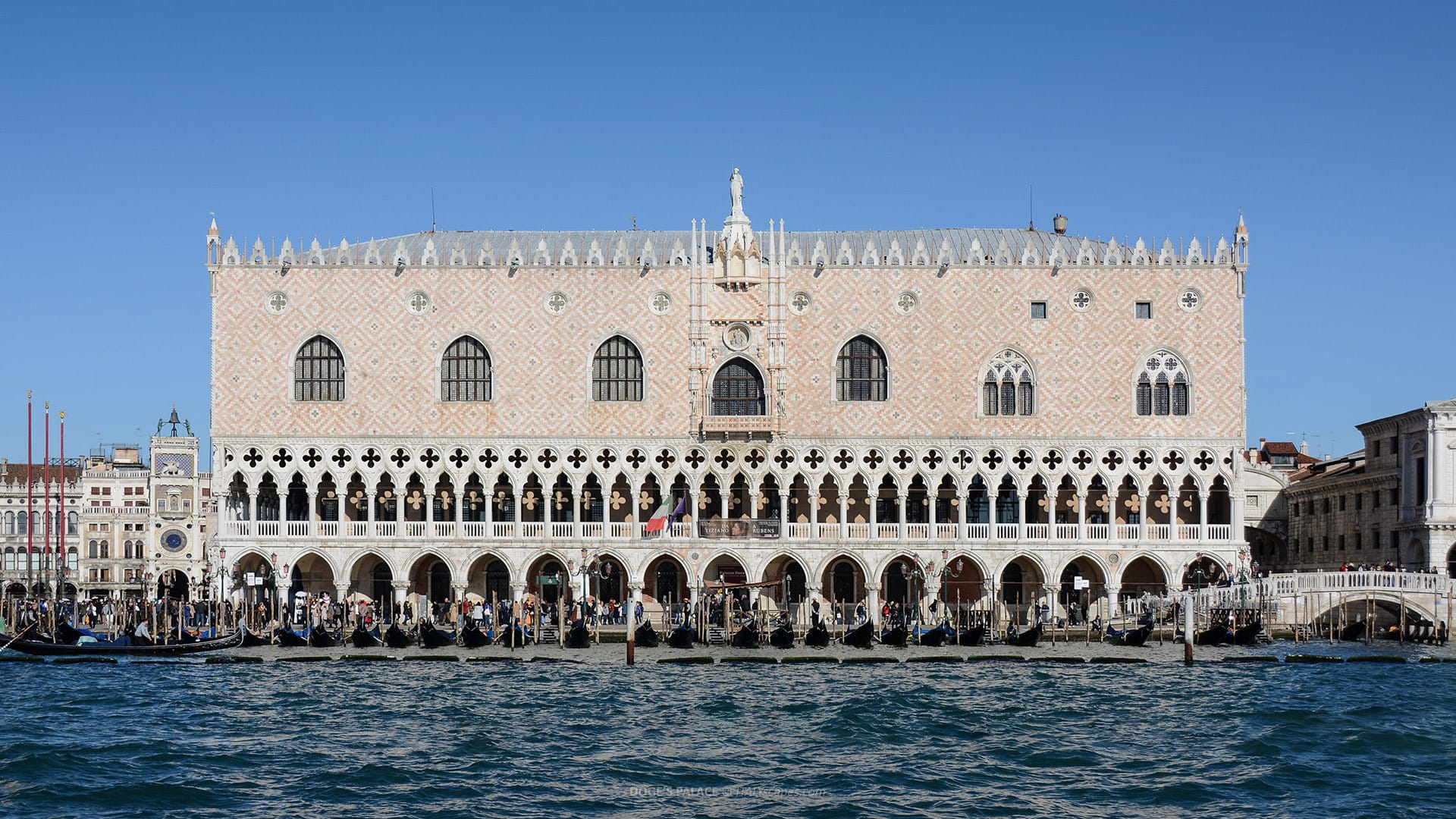
The square itself is already a major attraction before any performance begins. St Mark’s Basilica, the Campanile, Procuratie, Torre dell’Orologio, and Doge’s Palace surround the space, giving budget travellers an exceptional setting without requiring a ticket simply to stand there and experience the public atmosphere of the festival.
Street Shows and Neighbourhood Events
Venice Carnival has also used a distributed programme across campi, streets, Mestre, and lagoon communities. Previous editions have included street theatre, clowning, music, parades, storytelling, and other live performances outside formal venues. This format makes free entertainment an important part of the festival rather than a minor extra.
For 2027, travellers should check the official programme shortly before departure and mark free events by neighbourhood. Building a walking route between several public performances can fill most of a day while costing little beyond food. It also encourages exploration beyond the heavily visited corridor between Rialto and San Marco.
Mestre can also host Venice Carnival activity, particularly around central public spaces such as Piazza Ferretto. Visitors already sleeping on the mainland may therefore experience part of the wider programme without crossing into historic Venice for every activity, reducing both transport spending and the pressure to remain in the lagoon city all day.
Skip the Expensive Extras
The largest savings come from separating public Venice Carnival culture from premium private entertainment. The official 2027 Dinner Show at Ca’ Vendramin Calergi currently starts from €650 per person, and a period costume is mandatory, making it a luxury experience rather than an essential component of a budget visit.
Private balls can be memorable, but they are optional. A traveller focused on the public festival can redirect the same money toward several nights of accommodation, meals, transport, museums, or an additional day in Venice. Skipping one premium evening can transform the entire trip budget.
Costume rental can also become expensive, particularly when hiring historically detailed clothing from specialist ateliers. Visitors who are not attending an event with a strict dress code have no obligation to rent a full period costume. Ordinary winter clothing is enough to watch public events and move through the city comfortably.
A gondola ride is another optional expense rather than a requirement. Venice can be experienced through bridges, canalside walks, public boats, and Grand Canal viewpoints without hiring a private gondola. For a budget traveller, that money may deliver greater value when used for accommodation, food, or an extra night.
Guided tours, workshops, museums, and attractions can still be worthwhile, but choose them deliberately. One carefully selected paid activity may add more value than several overlapping experiences. A budget itinerary works best when paid attractions are chosen for genuine interest rather than added automatically because they appear on tourist checklists.
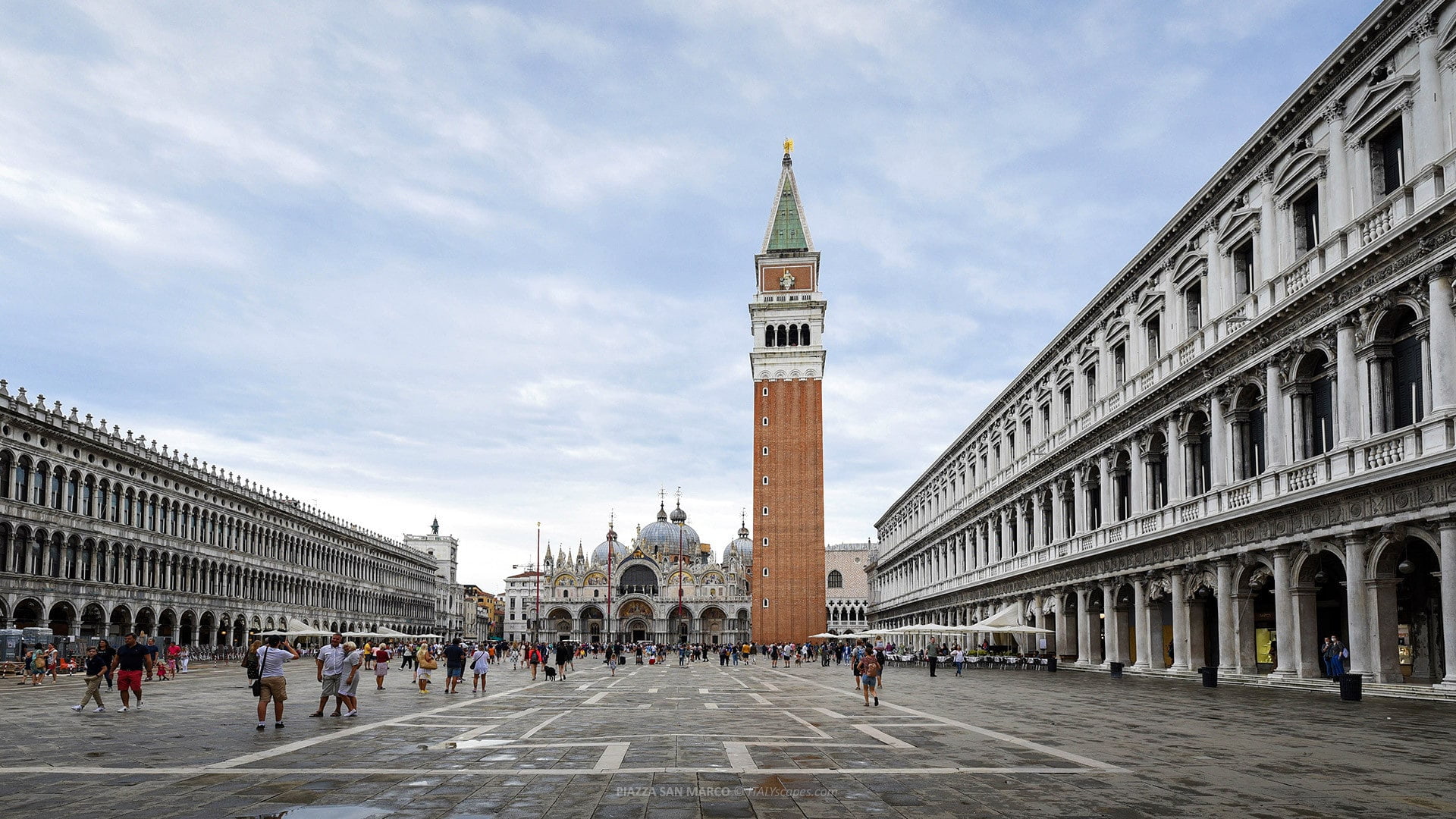
Piazza San Marco, with St Mark’s Basilica in the background
Build a Realistic Daily Budget
A realistic budget should begin with accommodation, because it is usually the largest variable. After that, add known transport costs, a sensible food allowance, and only then optional activities. This method prevents travellers from underestimating the trip by focusing only on cheap flights while ignoring the daily cost of staying in Venice.
Transport choices can change the daily total quickly. A visitor who walks may spend almost nothing on urban movement, while a 24-hour ACTV pass currently adds €25. Several individual vaporetto tickets can cost even more, making transport planning one of the easiest parts of the budget to control.
Food spending can also vary dramatically. Breakfast from a bakery, cicchetti at lunch, and a modest neighbourhood dinner create a very different total from drinks in Piazza San Marco followed by two formal restaurant meals. In Venice, where you eat can matter as much as what you order.
For many visitors, the best formula is simple: sleep on the mainland or in a less expensive district, walk through Venice, buy public transport only when necessary, eat casually during the day, and concentrate on free events. That combination keeps a budget trip accessible without stripping away the essential atmosphere.
Frequently Asked Questions about the Venice Carnival
When will Venice Carnival 2027 take place?
Venice Carnival 2027 will run from January 23 to February 9, 2027, with Shrove Tuesday marking the final day of the official Carnival period.
Is Venice Carnival expensive to visit?
It can be, but the main public atmosphere is accessible without luxury spending. Accommodation, transport, restaurants, private balls, and costume rental are the largest controllable expenses.
Is Mestre a good place to stay during Venice Carnival?
Yes. Mestre usually offers better-value accommodation than historic Venice and has frequent train and public transport connections that make daily travel into the lagoon city practical.
Is Marghera cheaper than staying in Venice?
Marghera can provide affordable mainland accommodation, particularly for visitors prioritising price over atmosphere. Check connections carefully so that transport time does not outweigh the financial saving.
Do I need a vaporetto pass in Venice?
Not necessarily. Venice is highly walkable. A pass makes more sense when visiting islands, making repeated boat journeys, or combining mainland transport with frequent ACTV water-bus travel.
How much does public transport cost in Venice?
Current published ACTV prices include €9.50 for a 75-minute integrated ticket and €25, €35, €45, and €65 for 24-hour, 48-hour, 72-hour, and seven-day passes.
Where can I eat cheaply during Venice Carnival?
Look for bacari, bakeries, takeaway counters, supermarkets, and neighbourhood restaurants away from Piazza San Marco. Cicchetti are particularly useful for an inexpensive and distinctly Venetian lunch.
Are there free events during Venice Carnival?
Yes. Public Carnival programming traditionally includes street shows, square performances, parades, and entertainment in Piazza San Marco and other public spaces. Check the final 2027 programme for confirmed times.
Do I need to attend a private Carnival ball?
No. Private balls are optional premium experiences. Visitors can experience the atmosphere of Venice Carnival through public events, streets, squares, seasonal food, and neighbourhood celebrations without attending one.
What is the best way to experience Venice Carnival on a budget?
Book accommodation early, consider Mestre or Marghera, walk whenever possible, use transport passes only when they save money, eat away from major tourist squares, and prioritise free public Carnival events.