
Table of Contents
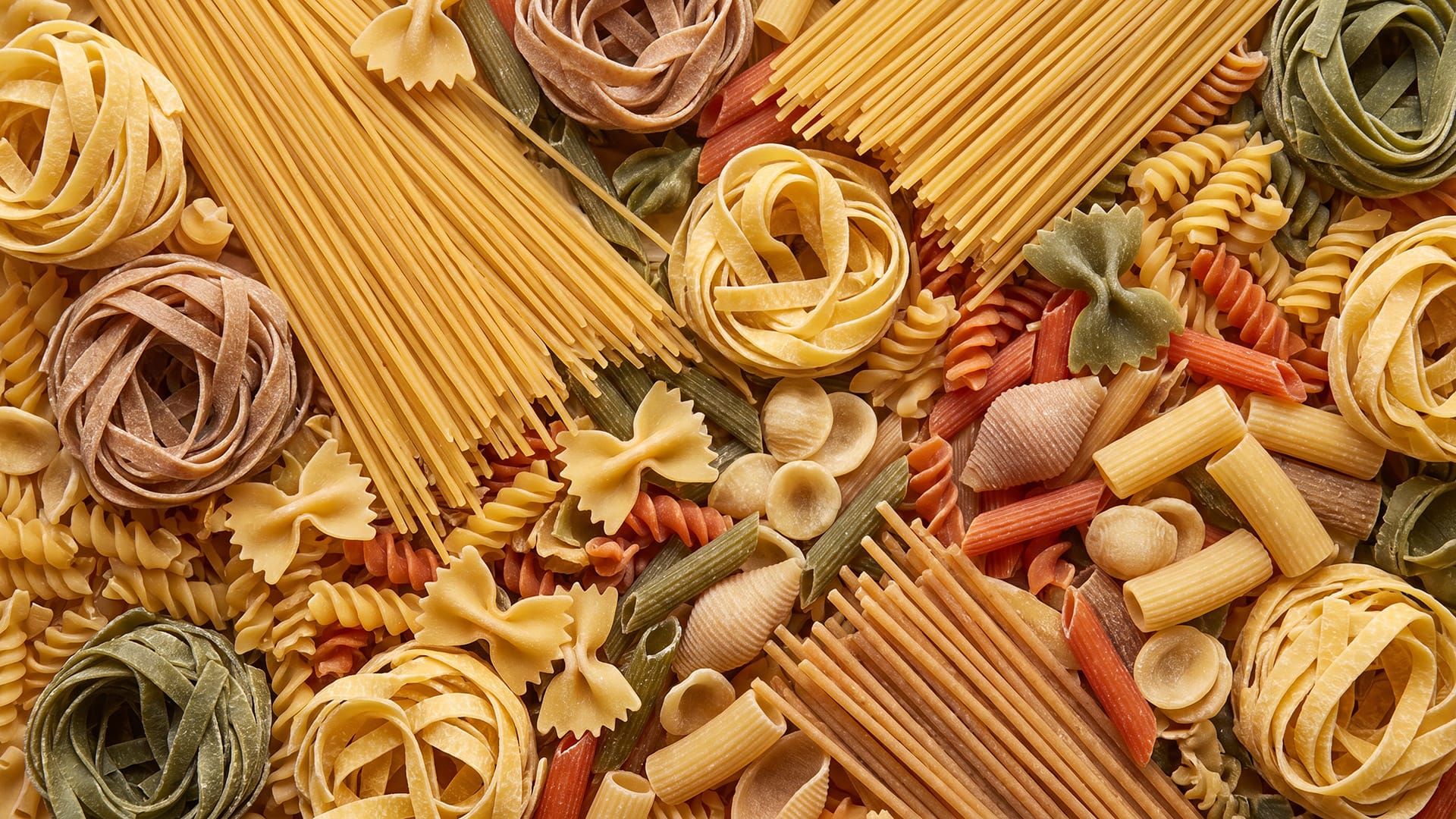
Italian pasta is one of the most recognizable symbols of Italy, but it is not a single, uniform food. Every region developed its own shapes, sauces, fillings, and cooking methods. A serious map of pasta in Italy must therefore follow cities, territories, ingredients, and local habits.
Pasta in Italy can be fresh or dried, long or short, stuffed or plain, smooth or ridged. These differences are not decorative. They usually answer practical needs: holding sauce, drying well, using local flour, preserving fillings, or adapting to festive and everyday meals.
Fresh pasta is especially important in central and northern Italy, where egg dough became central to local cooking. Bologna, Turin, Florence, and Perugia all show this tradition in different ways. Dried pasta, made with durum wheat semolina and water, is stronger in southern Italy.
The geography of pasta from Italy is also shaped by climate. Southern areas such as Naples, Bari, and Palermo historically favored dried pasta because sun, wind, and durum wheat helped production. Northern and inland areas often developed fresh egg pasta, filled pasta, and handmade ribbons.
Italy is still the world’s leading pasta country in production and consumption. Italians eat more than 20 kilograms of pasta per person per year, while national production reaches several million tonnes annually. These figures confirm that pasta remains both a domestic staple and an export symbol.
A Short History of Pasta in Italy
Ancient and Medieval Origins
The history of pasta in Italy is older and more complex than the famous Marco Polo legend. Pasta-like doughs existed around the Mediterranean long before his journey to Asia. Italy developed pasta through local agriculture, trade, storage needs, and techniques that evolved across centuries.
Early pasta was not necessarily the same as modern spaghetti or macaroni. Ancient and medieval cooks prepared mixtures of flour and water, sometimes boiled, baked, or dried. The essential breakthrough was the creation of pasta that could be dried, preserved, transported, and cooked later.
Sicily played an important role in the early history of dried pasta. Medieval references connect the island with dried pasta production, especially under Arab and Mediterranean influence. This was important because dried pasta could travel well and survive longer than fresh dough.
Pasta became increasingly visible in Italian food culture during the Middle Ages. Different regions developed distinct forms, from strips and sheets to stuffed shapes and short dried pieces. Over time, pasta became a recognizable category of food, not just a generic flour preparation.
The Rise of Dried Pasta and Fresh Egg Pasta
Dried pasta became especially important in southern Italy, where durum wheat and climate supported production. Naples and the surrounding area gained a major reputation. The town of Gragnano, near Naples, became famous for pasta dried with the help of local air and traditional methods.
Fresh egg pasta developed strongly in northern and central Italy. In Emilia-Romagna, Piedmont, Tuscany, and Umbria, pasta was often rolled by hand into sheets, ribbons, or filled shapes. These traditions depended on eggs, soft wheat flour, domestic skill, and local meat or cheese fillings.
The difference between dried and fresh pasta created two major Italian pasta worlds. Southern pasta often emphasized semolina, water, tomato, seafood, olive oil, and vegetables. Northern and central pasta often emphasized eggs, meat sauces, butter, broth, cheese, and stuffed forms.
Industrial production changed pasta forever. Machines made it possible to knead, extrude, cut, and dry pasta on a large scale. Bronze dies, drying chambers, and standardized formats helped Italian producers export pasta worldwide while keeping many traditional shapes alive.
Modern pasta in Italy is therefore both local and global. A supermarket packet of penne may be industrial, but a plate of orecchiette in Bari, tortellini in Bologna, or bigoli in Venice still carries a strong geographical identity.
Roman Pasta – Carbonara, Cacio e Pepe, Amatriciana, and Gricia
The Roman Pasta Identity
Roman pasta is famous for direct, powerful dishes made with few ingredients and precise technique. The four essential Roman pasta recipes are cacio e pepe, carbonara, amatriciana, and gricia. They rely on Pecorino Romano, black pepper, guanciale, eggs, tomato, and starchy water.
Roman pasta is not built on decorative sauces or many ingredients. Its strength comes from balance. Cheese must emulsify correctly, guanciale must release fat without becoming heavy, and pasta water must create texture. Small technical errors can change the whole dish.
The most common pasta shapes in Rome include spaghetti, rigatoni, bucatini, mezze maniche, and tonnarelli. These shapes are chosen for practical reasons. Rigatoni and mezze maniche hold guanciale and sauce well, while tonnarelli and spaghetti work beautifully with cheese-based sauces.
Cacio e Pepe and Carbonara
Cacio e pepe is one of the oldest and simplest Roman pasta dishes. It uses pasta, Pecorino Romano, black pepper, and pasta cooking water. The sauce must become creamy without cream, butter, or oil. Its texture depends on heat control and starch.
Tonnarelli are often used for cacio e pepe in Rome. They are fresh square-section strands, thicker than ordinary spaghetti. Their rough surface and firm bite make them ideal for the cheese and pepper emulsion, which must cling evenly to the pasta.
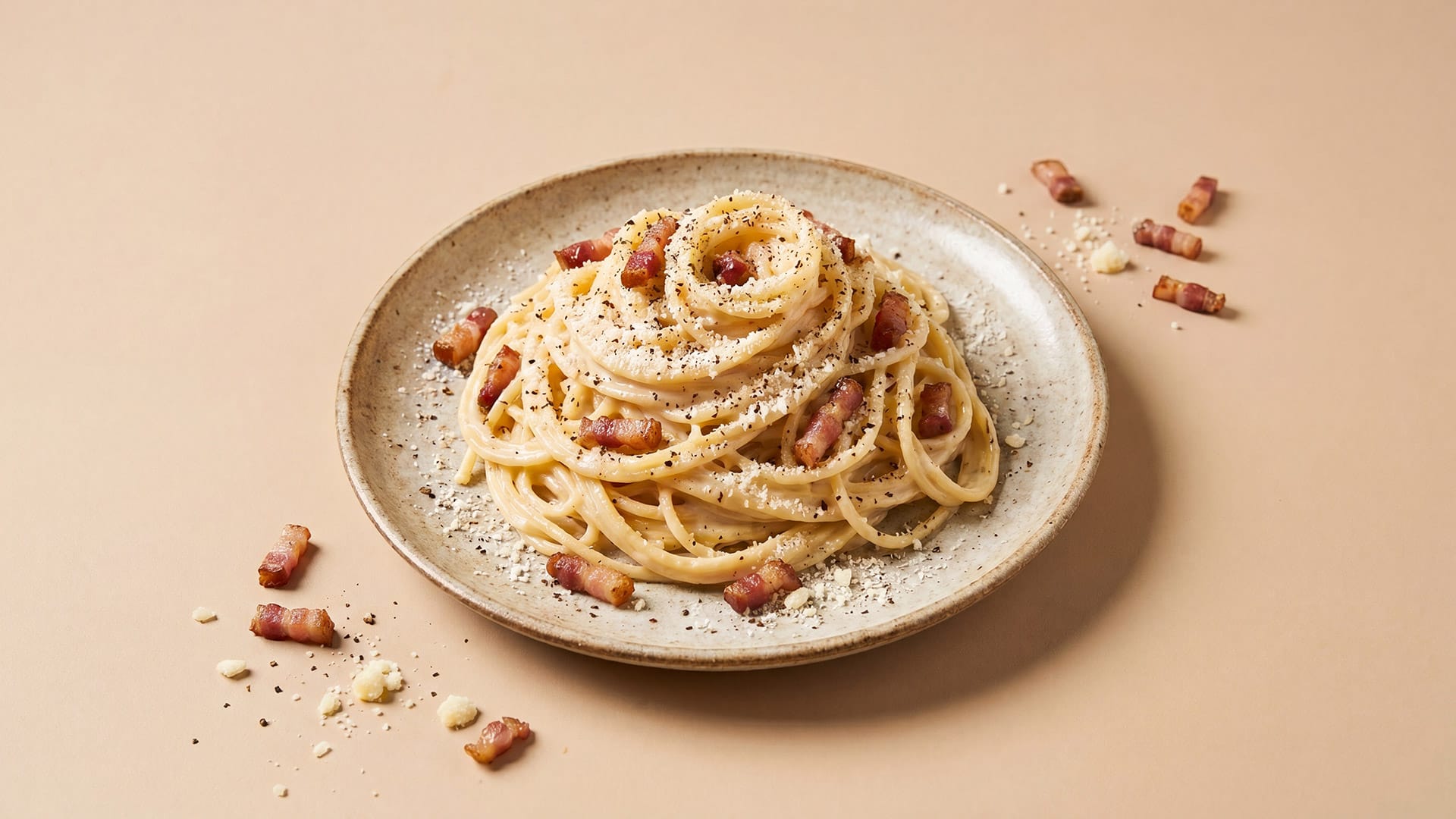
Carbonara is probably the most famous Roman pasta dish internationally. Its traditional ingredients are pasta, eggs, Pecorino Romano, guanciale, and black pepper. Cream is not part of the classic Roman version, and the eggs should not become scrambled.
The modern form of carbonara is more recent than many people imagine, becoming widely documented in the 20th century. Today, however, it is one of the most recognized pasta dishes from Italy and one of the strongest symbols of Roman cooking abroad.
Carbonara
Amatriciana and Gricia
Amatriciana is strongly connected to Amatrice, but it became one of the great pasta dishes of Rome. It combines guanciale, tomato, Pecorino Romano, and pasta. Bucatini all’amatriciana is especially famous because the hollow pasta holds sauce both outside and inside.
Gricia is often described as the ancestor of amatriciana. It uses guanciale, Pecorino Romano, black pepper, and pasta, but no tomato. It is sometimes called a “white amatriciana”, although that phrase simplifies a dish with its own strong identity.
Gricia depends on rendered guanciale fat and grated cheese. The sauce should be glossy, salty, and rich, but not greasy. Rigatoni, mezze maniche, and spaghetti are common choices because they can carry both melted cheese and small pieces of guanciale.
Together, these four dishes make Rome one of the clearest pasta cities in Italy. Rome pasta is minimal but demanding.
Florentine Pasta – Pappardelle, Pici, and Tuscan Ragù
Florence and the Tuscan Pasta Landscape
Florentine pasta is less famous internationally than Roman pasta or Bolognese pasta, but it has a clear Tuscan identity. The city is strongly associated with broad pasta ribbons, rustic sauces, game meat, olive oil, wine, and countryside ingredients brought into urban trattorias.
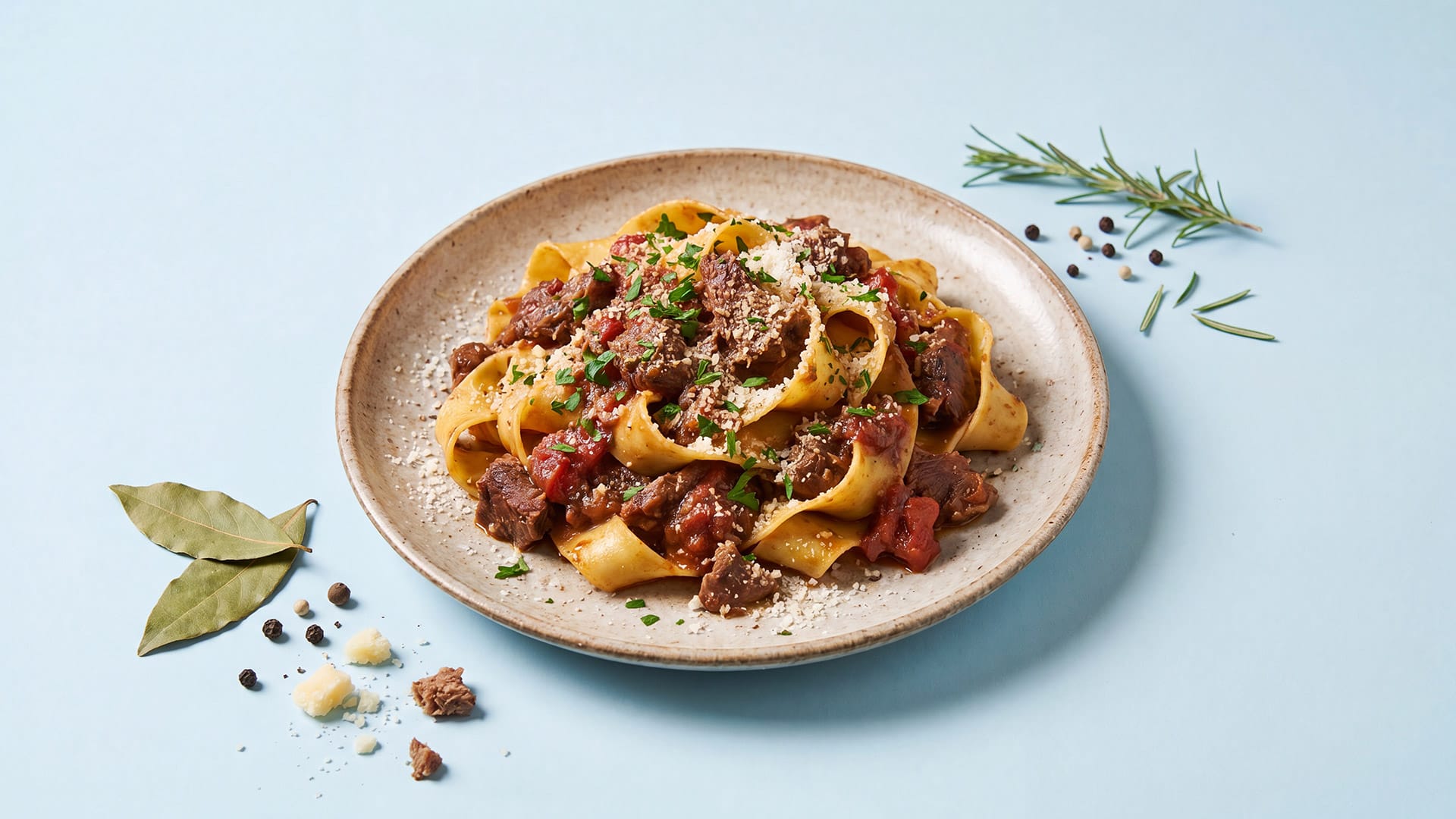
The most representative Florentine pasta dish is pappardelle al cinghiale, wide egg pasta served with wild boar ragù. This dish reflects Tuscany’s wooded hills, hunting traditions, and preference for slow-cooked meat sauces with deep, earthy flavors.
Pappardelle are broad ribbons, wider than tagliatelle. Their size matters because they need to support dense sauces. A thin pasta would be overwhelmed by wild boar ragù, while pappardelle provide enough surface and structure for the meat sauce.
Pappardelle al Cinghiale
Pappardelle al cinghiale usually includes wild boar, wine, tomato or tomato concentrate, onion, carrot, celery, herbs, and long cooking. The meat is often marinated or slowly simmered to soften its strong flavor and create a thick sauce.
This dish is common in Florence restaurants, although it reflects the wider Tuscan countryside. It is especially connected with autumn and winter menus, when game, mushrooms, and red wine sauces become more prominent in local cooking.
The sauce should not be watery. A proper wild boar ragù clings to the pasta and leaves the wide ribbons visible. The flavor is usually robust, slightly gamey, and aromatic, often supported by rosemary, bay leaf, juniper, or black pepper.
Pappardelle al Cinghiale
Pici and Other Tuscan Pasta Traditions
Another Tuscan pasta found in Florence is pici, although it is more closely associated with southern Tuscany, especially the Siena area. Pici are thick hand-rolled strands made with flour and water, similar in spirit to rustic spaghetti but much more irregular.
Pici can be served with garlic tomato sauce, duck ragù, meat sauce, breadcrumbs, or local cheese. Their handmade quality is important. They do not look industrially perfect, and that irregularity helps them hold sauces in a natural way.
Florentine pasta is therefore based on rustic elegance. The city does not have one single world-famous pasta shape like Bologna or Bari, but it expresses Tuscany through wide ribbons, handmade strands, game meat, and sauces connected to land rather than sea.
Bolognese Pasta – Tagliatelle, Tortellini, and Lasagne Verdi
Bologna as a Capital of Fresh Egg Pasta
Bolognese pasta is one of the most important traditions in Italian pasta. The city is strongly associated with fresh egg pasta, handmade sfoglia, tagliatelle al ragù, tortellini in brodo, and lasagne verdi alla bolognese. Few cities have a clearer pasta identity.
The foundation of Bolognese pasta is the sfoglia, the thin sheet of egg dough rolled by hand. From this sheet come tagliatelle, lasagne, tortellini, tortelloni, maltagliati, and other shapes. Technique is as important as ingredients in Bolognese pasta culture.
Bologna belongs to Emilia-Romagna, one of Italy’s richest pasta regions. The area’s agriculture, pork products, cheeses, and domestic cooking traditions created pasta dishes that are festive, filling, and carefully codified.
Tagliatelle al Ragù
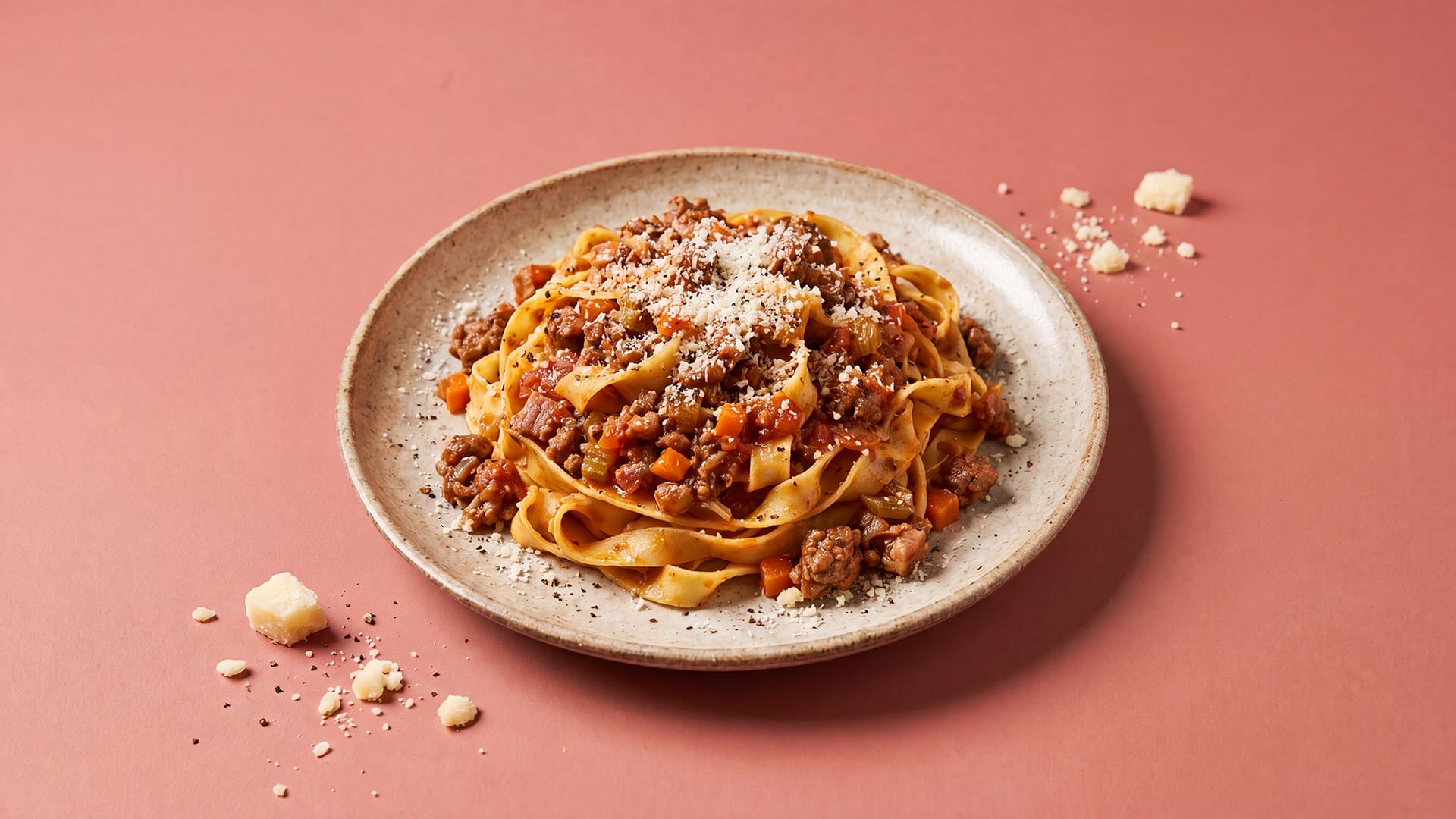
Tagliatelle al ragù is the most famous Bolognese pasta dish. Outside Italy, people often speak of “spaghetti Bolognese”, but the traditional local pairing is tagliatelle, not spaghetti. The flat egg ribbons are better suited to the thick meat sauce.
Bolognese ragù is not a quick tomato sauce. Traditional versions use minced meat, pancetta, onion, carrot, celery, wine, milk, broth, and a controlled amount of tomato. The sauce cooks slowly until it becomes dense, balanced, and deeply flavored.
The official recipe for ragù alla bolognese was registered in 1982 by the Bolognese delegation of the Accademia Italiana della Cucina with the Bologna Chamber of Commerce. This shows how seriously the city treats its pasta identity.
Tagliatelle should be wide enough to carry ragù but not so wide that they become pappardelle. Their egg-rich texture absorbs sauce better than dried spaghetti. This is why tagliatelle al ragù remains the correct Bolognese pasta pairing.
Tagliatelle al Ragù
Tortellini in Brodo
Tortellini are another essential Bolognese pasta. These small filled shapes are traditionally served in broth, especially at Christmas and important family meals. Their filling usually includes pork loin, prosciutto, mortadella, Parmigiano Reggiano, egg, and nutmeg.
The shape is small and precise. Each piece of pasta is filled, folded, and closed around the finger. In Bologna and nearby Modena, tortellini are part of family memory, not only restaurant menus. They require patience, repetition, and skill.
Tortellini in brodo should be served in a clear meat broth. Heavy sauces are not traditional for the classic festive version. The broth supports the filling without hiding it, allowing the small pasta parcels to remain the center of the dish.
Lasagne Verdi alla Bolognese
Lasagne verdi alla bolognese is another historic Bolognese pasta dish. The green color comes from spinach mixed into the pasta dough. The layers include green pasta sheets, ragù, béchamel, and Parmigiano Reggiano, creating one of Italy’s most famous baked pasta dishes.
The dish is structured and rich. Unlike casual lasagna variations found abroad, the Bolognese version has a precise identity. It uses fresh egg pasta, not dry sheets, and the sauce balance between ragù and béchamel is essential.
Bolognese pasta represents one of the highest expressions of fresh pasta in Italy. Tagliatelle, tortellini, and lasagne verdi show three different uses of the same culture: ribbons with ragù, stuffed pasta in broth, and layered baked pasta.
Neapolitan Pasta – Spaghetti alle Vongole, Genovese, and Ragù
Naples and Dried Pasta
Neapolitan pasta has a central place in the history of Italian pasta. Naples and Campania are strongly connected with dried durum wheat pasta, tomato sauces, seafood pasta, and the pasta-making tradition of Gragnano, located near the city.
The area around Gragnano became famous because local conditions favored pasta drying. Sea air, mountain breezes, and traditional production methods helped the town build a reputation for quality dried pasta. Today, Pasta di Gragnano has protected geographical status.
Neapolitan pasta is not limited to one sauce. It includes seafood dishes, tomato sauces, onion-based sauces, and long-cooked meat ragù. The city’s pasta identity reflects both the sea and the dense urban cooking traditions of southern Italy.
Spaghetti alle Vongole
Spaghetti alle vongole is one of the most famous Neapolitan pasta dishes. It uses spaghetti or vermicelli with clams, garlic, olive oil, parsley, and sometimes chili. In Naples, it is often prepared in bianco, without tomato.
The sauce is created from clam juices, olive oil, garlic, and pasta water. This means the dish depends heavily on timing. The pasta must finish cooking while absorbing the seafood liquid, and the clams must remain tender rather than rubbery.
Spaghetti alle vongole expresses Naples as a coastal city. It is not a heavy seafood sauce, but a concentrated sea-flavored emulsion. The dish is especially associated with festive meals, summer menus, and Christmas Eve traditions in many southern families.
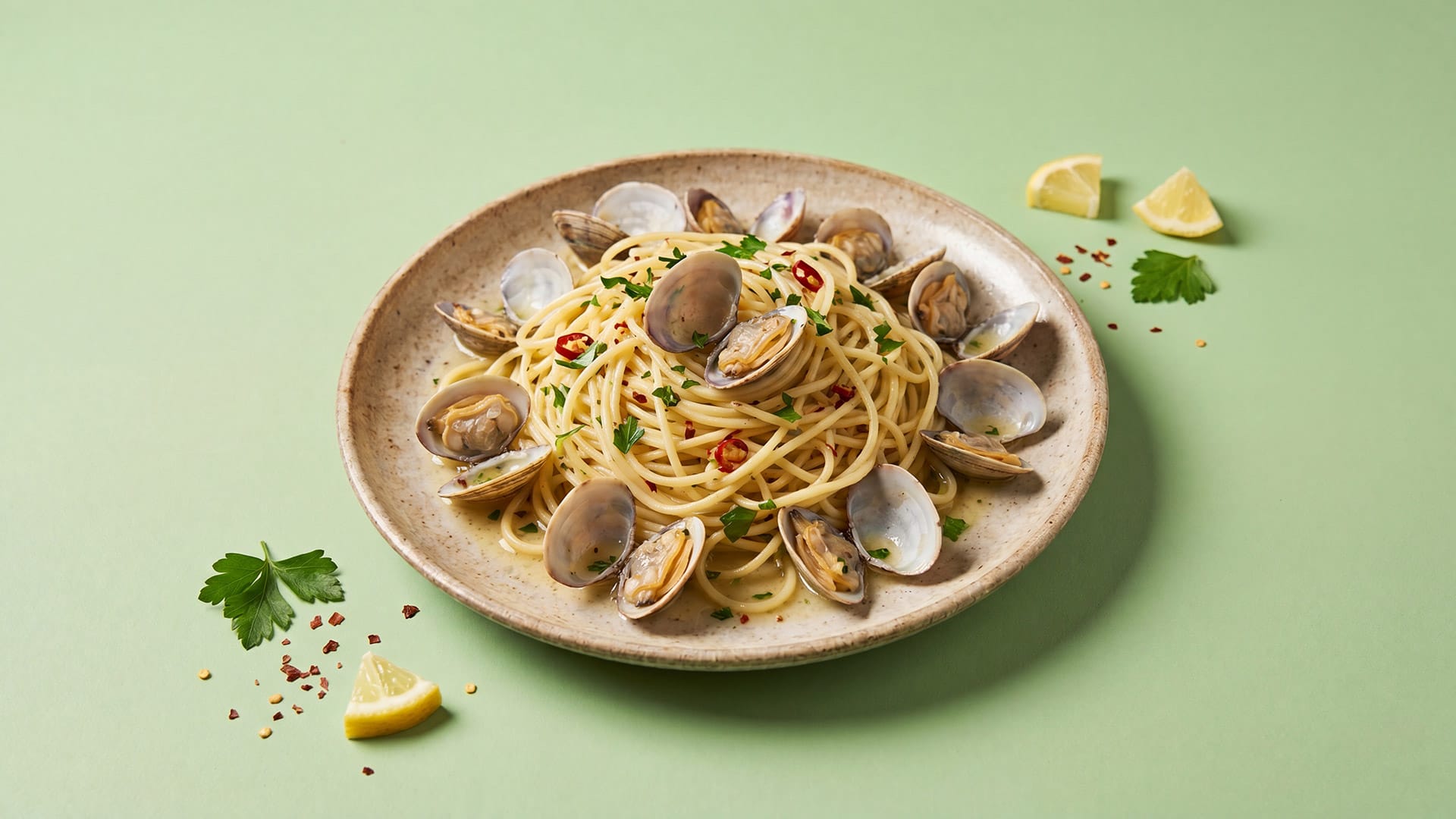
Spaghetti alle Vongole
Pasta alla Genovese
Pasta alla Genovese is a famous Neapolitan dish despite its confusing name. It is not related to pesto Genovese. The sauce is made with large amounts of onions and beef, slowly cooked until the onions collapse into a sweet, amber-colored condiment.
The cooking time is essential. Genovese sauce can take several hours because the onions must melt gradually. The meat gives flavor to the sauce and may also be served separately as a second course, following an older Italian meal structure.
Traditional pasta shapes for Genovese include ziti, paccheri, mezzani, or other sturdy dried pasta. These shapes work well because the sauce is thick and intense. A delicate fresh pasta would not carry the same weight.
Ragù Napoletano
Ragù napoletano is one of the great slow-cooked sauces of southern Italy. Unlike Bolognese ragù, it often uses large pieces of meat cooked in tomato sauce. The sauce dresses the pasta, while the meat can be eaten afterward.
This ragù can include beef, pork, sausages, ribs, braciole, or other cuts, depending on the family and occasion. It is traditionally associated with Sunday lunch and long cooking. The sauce must become thick, dark red, and deeply flavored.
Neapolitan pasta represents dried pasta at its most expressive. Spaghetti alle vongole shows the sea, Genovese shows onions and slow cooking, and ragù napoletano shows the social importance of Sunday meals. Together, they make Naples one of Italy’s strongest pasta cities.
Palermitan Pasta – Sardines, Anelletti, and Sicilian Contrasts
Palermo and the Sicilian Pasta Tradition
Palermitan pasta reflects Sicily’s layered history. Arab, Mediterranean, maritime, rural, and urban influences meet in dishes that combine fish, herbs, dried fruit, saffron, breadcrumbs, tomato, and baked pasta. The city’s most important pasta traditions are highly distinctive.
Two dishes define Palermitan pasta especially well: pasta con le sarde and anelletti al forno alla palermitana. One is maritime, aromatic, and sweet-salty. The other is baked, rich, and strongly connected to family meals and street-food culture.
Palermo‘s pasta identity is very different from Rome or Bologna. It is less about cheese emulsions or egg pasta sheets and more about Mediterranean contrast. Sardines, wild fennel, raisins, pine nuts, and breadcrumbs reveal Sicily’s geographical and historical position.
Pasta con le Sarde
Pasta con le sarde is one of Sicily’s most famous pasta dishes. It combines pasta with sardines, wild fennel, raisins, pine nuts, saffron, onion, olive oil, and often toasted breadcrumbs. The flavor is savory, sweet, herbal, and marine.
The dish is strongly associated with Palermo and western Sicily. Sardines represent the sea, wild fennel represents the land, and raisins and saffron reflect older Mediterranean trade routes. This combination gives the dish a historical depth beyond its ingredients.
Bucatini are often used for pasta con le sarde. Their hollow structure gives body to the dish and works well with the oily, aromatic sauce. Toasted breadcrumbs add texture and are commonly used instead of grated cheese.
The result is one of the clearest examples of pasta in Italy shaped by geography. Palermo is a port city, but also a city surrounded by hills, gardens, and historic trade routes. Pasta con le sarde captures all of those elements in one plate.
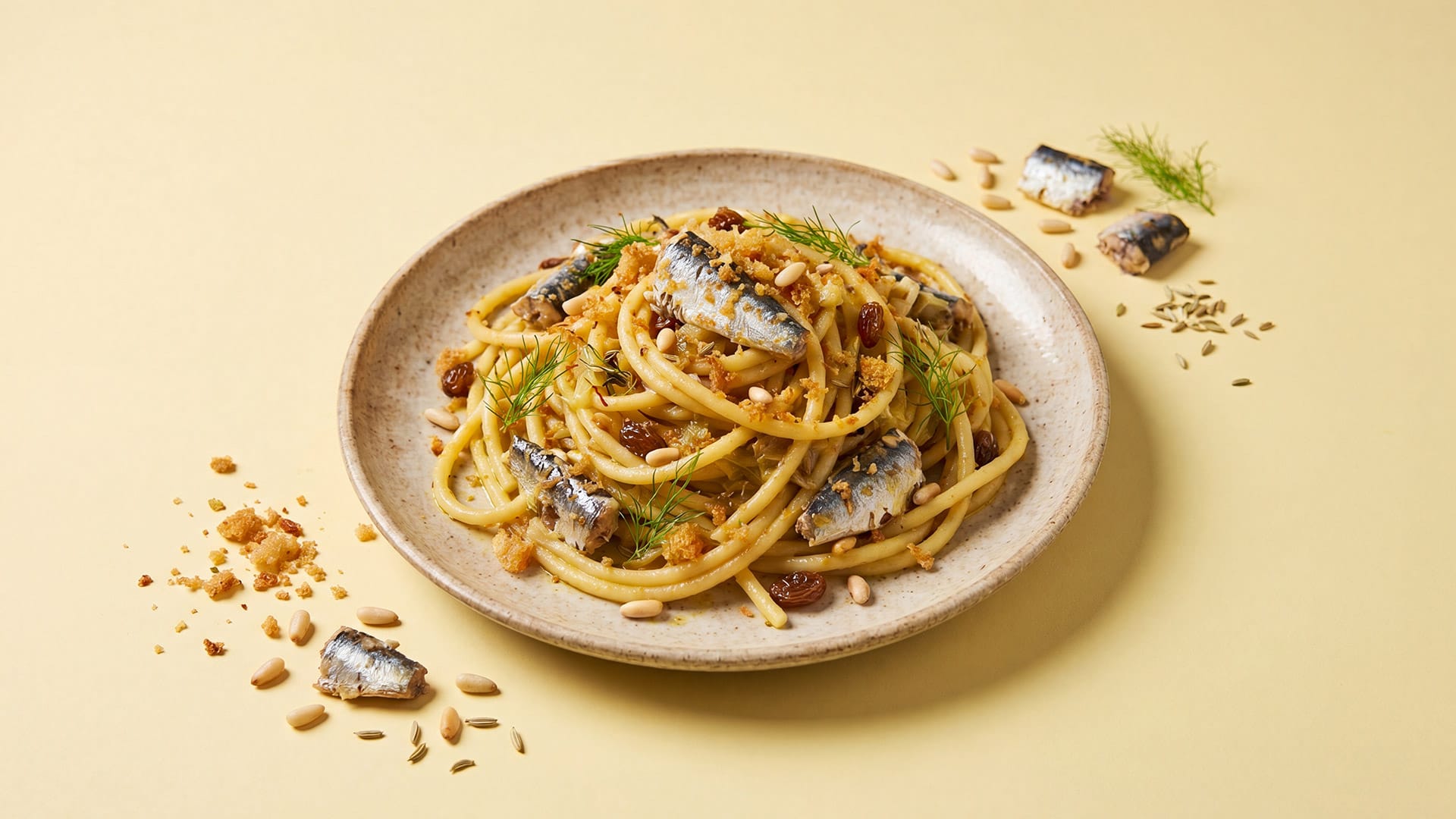
Pasta con le Sarde
Anelletti al Forno
Anelletti al forno is another essential Palermitan pasta dish. Anelletti are small ring-shaped pasta pieces, usually baked with meat ragù, peas, tomato, cheese, and sometimes eggplant. The dish is often cooked in a mold or tray and served in slices.
This baked pasta is strongly connected to family lunches, feast days, and local rotisseries. In Palermo, anelletti al forno can be found both at home and in casual food shops. It is rich, portable, and practical.
The ring shape of anelletti matters because it holds sauce and creates a compact baked structure. When cooked properly, the pasta binds with ragù and cheese, allowing the dish to be cut and served without falling apart.
Palermitan pasta proves that pasta from Italy is not only about tomato and cheese. Sicilian pasta can combine sweetness, saltiness, herbs, fish, meat, and baked textures. Palermitan pasta is one of the most historically layered pasta traditions in the country.
Genoese Pasta – Trofie, Trenette, and Pesto Genovese
Genoa and Ligurian Pasta
Genoese pasta is inseparable from pesto Genovese. The city and the Ligurian coast are strongly associated with trofie al pesto and trenette al pesto, often served with potatoes and green beans. These dishes are among the clearest regional pasta traditions in Italy.
Ligurian cooking is shaped by narrow coastal land, olive oil, herbs, vegetables, and maritime trade. Genoese pasta is usually lighter than Bolognese pasta or Neapolitan ragù. Its identity depends on basil, extra virgin olive oil, pine nuts, cheese, and garlic.
The most important point is that Genoese pasta is defined by both shape and sauce. Trofie and trenette are important, but pesto Genovese gives them their strongest local identity. Without pesto, the map of Genoese pasta would be incomplete.
Trofie al Pesto
Trofie are short, twisted pasta pieces traditionally rolled by hand. Their spiral form allows pesto to cling to the surface and settle into the curves. Trofie are especially connected with Liguria and remain one of the most recognizable regional pasta shapes.
Trofie al pesto often includes potatoes and green beans, boiled together with the pasta. This combination may seem unusual outside Liguria, but it is traditional. The potatoes soften the dish, while the green beans add freshness and texture.
Pesto Genovese is made with basil, garlic, pine nuts, salt, extra virgin olive oil, Parmigiano Reggiano, and Pecorino. Traditional preparation uses a mortar and pestle, which crushes the ingredients without heating them excessively.
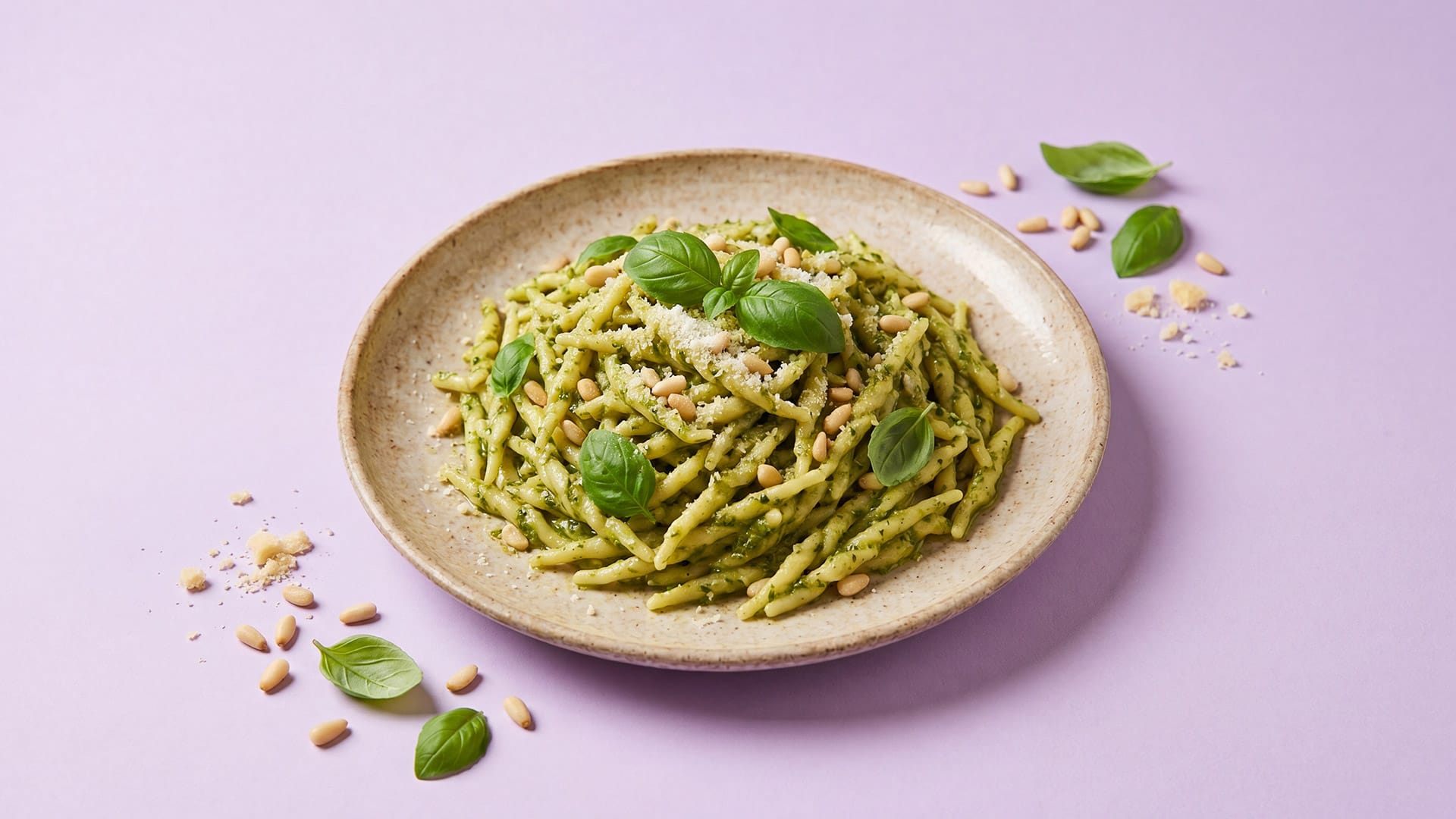
Trofie al Pesto
Trenette al Pesto
Trenette are long, narrow, flat strands similar to linguine. They are another traditional pasta shape used with pesto in Genoa and Liguria. Their flat surface works well with the oily, aromatic sauce, especially when potatoes and green beans are added.
Trenette al pesto is a classic restaurant dish in Genoa. Like trofie al pesto, it depends on ingredient quality. Basil must be fresh and fragrant, olive oil must be good, and the sauce should coat the pasta without becoming heavy.
Genoese pasta represents the green side of pasta in Italy. It is aromatic, coastal, and ingredient-driven. Trofie and trenette show how a city can become famous not through meat sauce or stuffed pasta, but through a sauce of exceptional local identity.
Turinese Pasta – Agnolotti del Plin and Tajarin
Turin and Piedmontese Pasta
Turinese pasta belongs to the broader Piedmontese tradition, shaped by egg pasta, meat fillings, butter, roast juices, and truffles. The two most important pasta types associated with Turin and Piedmont are agnolotti del plin and tajarin.
Piedmont is not a tomato-dominated pasta region. Its cooking is more strongly connected to meat, cheese, butter, wine, mushrooms, and seasonal truffles. This gives Turinese pasta a very different character from Neapolitan pasta, Barese pasta, or Palermitan pasta.
The city’s pasta identity reflects both aristocratic and rural traditions. Turin was historically linked to courtly cuisine, but Piedmontese pasta also preserves practical household habits, including the use of roast meats and leftovers in fillings.
Agnolotti del Plin
Agnolotti are filled egg pasta, common in Piedmont. Agnolotti del plin are smaller and named after the “plin”, or pinch, used to close the pasta. The filling usually includes roasted meats, vegetables, cheese, and sometimes greens.
In Turin restaurants, agnolotti del plin may be served with roast meat juices, butter and sage, or a light sauce that does not hide the filling. The pasta sheet must be thin, because the filling should remain the main element.
The dish is elegant but not artificial. Its roots are practical, because fillings often developed from cooked meat and vegetables. Over time, this domestic logic became a refined regional specialty served in traditional Piedmontese restaurants.
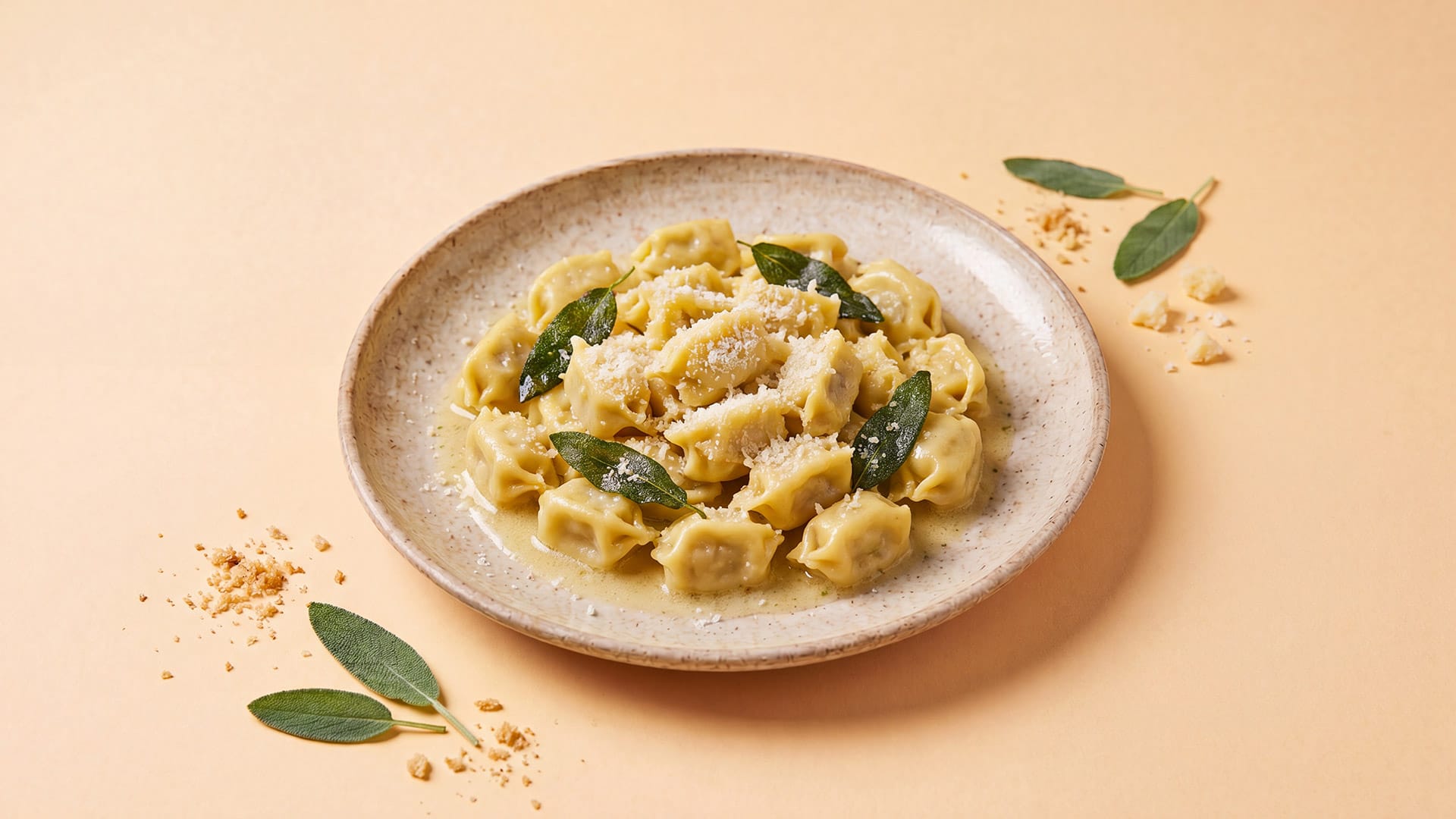
Agnolotti del Plin
Tajarin
Tajarin are thin egg pasta ribbons, similar to tagliolini. They are known for their fine texture and rich dough, which can contain many egg yolks. This gives them a golden color and a delicate but firm bite.
Tajarin are often served with butter, meat sauce, mushrooms, or white truffle. In Piedmont, truffles are especially important in autumn, and tajarin provide a simple base that allows the aroma of truffle to dominate the dish.
Turinese pasta is therefore subtle, elegant, and deeply regional. It does not rely on strong tomato sauces. Instead, it uses eggs, fillings, meat juices, butter, and seasonal products to create one of northern Italy’s most refined pasta traditions.
Venetian Pasta – Bigoli in Salsa
Venice and Its Narrow Pasta Tradition
Venetian pasta has a smaller but very clear identity. The city is better known for seafood, lagoon vegetables, rice, polenta, and cicchetti, but bigoli in salsa remains one of the most recognizable traditional Venetian pasta dishes.
Bigoli are thick spaghetti-like strands, traditionally made with whole wheat flour, though modern versions vary. Their dense texture makes them suitable for strong sauces. In Venice, they are most famously served with a sauce of onions and salted fish.
Venice was a maritime city with long trade routes and a strong tradition of preserved foods. Bigoli in salsa reflects that history. Salted anchovies or sardines, onions, and pasta create a dish that is simple, durable, and intensely flavored.
Bigoli in Salsa
The sauce for bigoli in salsa is made by slowly cooking onions until soft, then combining them with salted anchovies or sardines. The result is salty, sweet, and savory. The pasta must be sturdy enough to carry the strong condiment.
The dish was traditionally associated with lean days and religious fasting periods, when meat was avoided. Fish-based sauces were practical in Venice, where lagoon and maritime food traditions were central to daily life.
Bigoli in salsa shows that Venetian pasta does not need a large list of dishes to matter. One authentic dish can define a local tradition when it reflects geography, religion, preservation techniques, and the flavor habits of the city.
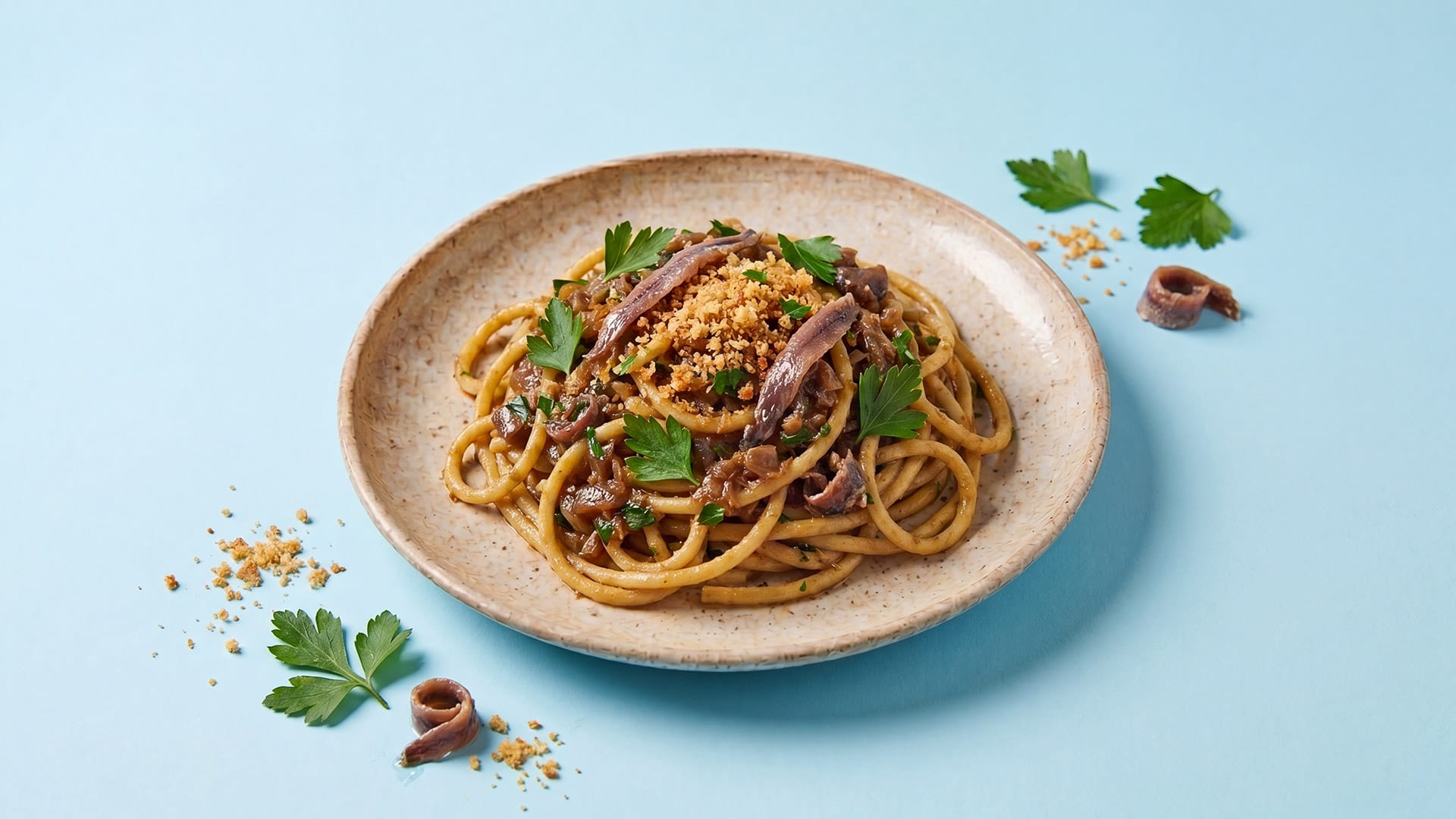
Bigoli in Salsa
Barese Pasta – Orecchiette and Spaghetti all’Assassina
Bari as a Southern Pasta City
Barese pasta is one of the clearest city-based pasta traditions in southern Italy. The city is strongly associated with orecchiette, the small ear-shaped pasta of Puglia, and with spaghetti all’assassina, a modern Barese dish with a distinctive cooking method.
Puglia is a durum wheat region, and this matters for Barese pasta. Traditional orecchiette are made with semolina, water, and salt. They do not require eggs. Their texture is firm, slightly chewy, and well suited to vegetables and olive oil.
Bari Vecchia is famous for women making orecchiette by hand in the old town’s streets. This visible tradition has become part of the city’s image. It also shows that pasta-making in Bari is not only a kitchen activity, but a public cultural symbol.
Orecchiette con Cime di Rapa
Orecchiette means “little ears”, referring to the pasta’s concave shape. This shape is practical because it holds sauce, vegetables, and small pieces of condiment. Handmade orecchiette usually have a rough surface and a thicker edge.
The most famous Bari pasta dish is orecchiette con cime di rapa. It combines orecchiette with turnip tops, garlic, olive oil, chili, and often anchovies. The flavor is bitter, savory, spicy, and deeply southern.
Cheese is not always necessary in this dish. The main flavor comes from the vegetables, oil, garlic, chili, and anchovy. This makes the dish very different from cheese-based Roman pasta or egg-rich Bolognese pasta.
Orecchiette are also served with tomato sauce, meat ragù, broccoli, ricotta forte, or toasted breadcrumbs. Their versatility explains why they remain central to Bari and Puglia. The shape works with both poor rural ingredients and richer Sunday sauces.
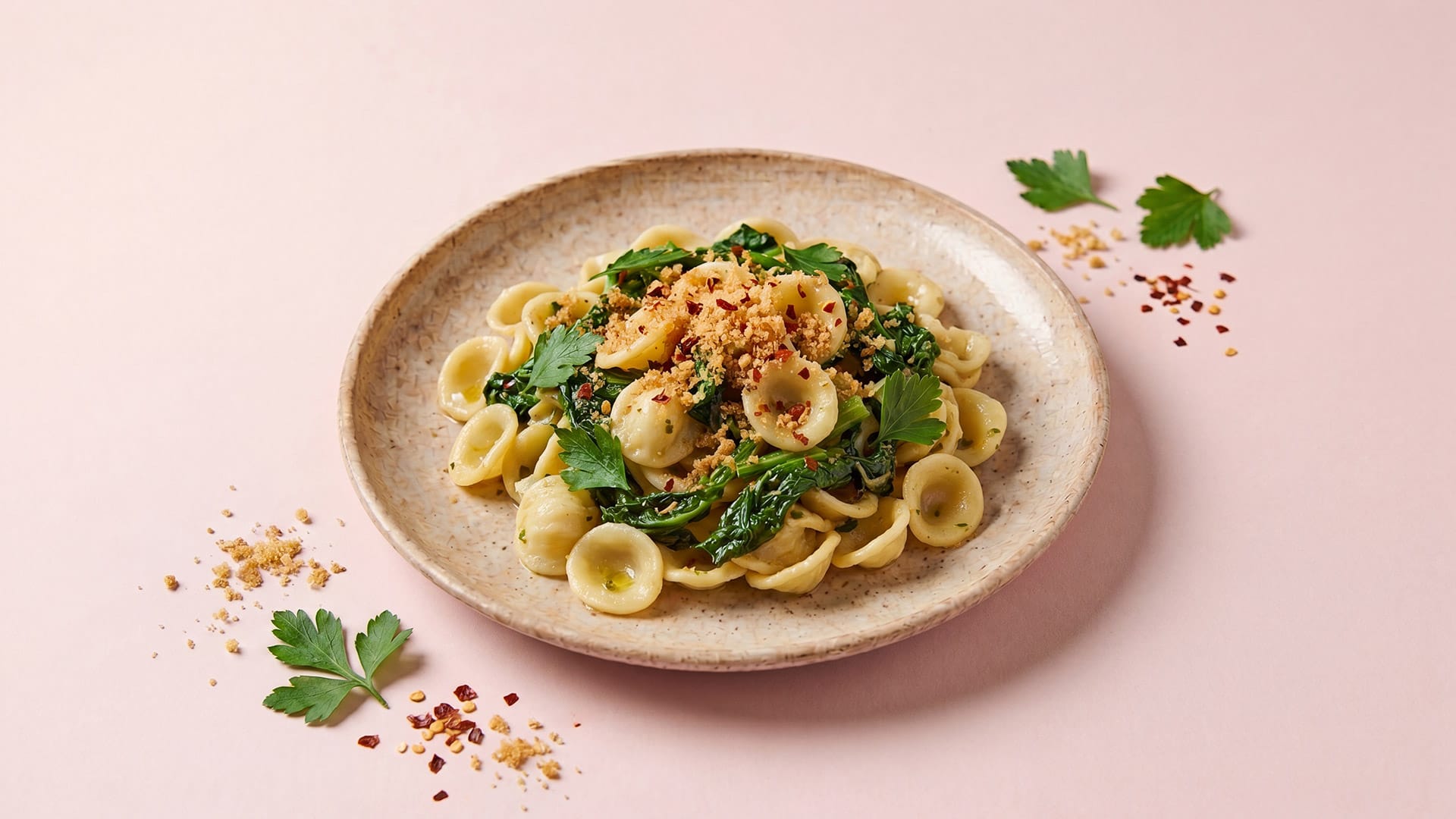
Orecchiette con Cime di Rapa
Spaghetti all’Assassina
Spaghetti all’assassina is another important Barese pasta dish, although it is more recent than orecchiette. The spaghetti are not boiled normally. They are cooked directly in a pan with tomato, chili, oil, and liquid, creating a burnt, crispy, spicy texture.
The technique is unusual because the pasta absorbs sauce while also toasting in the pan. The result is red, intense, and slightly charred. The name “assassina” suggests aggression, heat, and dramatic flavor, which matches the dish’s character.
This dish has become a modern symbol of Bari. It proves that pasta traditions do not only belong to the distant past. Cities can still create recognizable pasta identities when a dish becomes strongly associated with local restaurants and urban taste.
Barese pasta is essential for understanding pasta from Italy. Orecchiette con cime di rapa shows ancient durum wheat and vegetable traditions, while spaghetti all’assassina shows modern invention. Together, they make Bari one of the strongest pasta cities in southern Italy.
What the Italian Pasta Map Really Shows
The map of Italian pasta is really a map of geography. Rome pasta reflects sheep cheese, guanciale, and urban trattoria cooking. Neapolitan pasta reflects dried pasta, tomato, seafood, and slow sauces. Barese pasta reflects durum wheat, handmade shapes, and bitter greens.
Bolognese pasta shows the world of fresh egg pasta, sfoglia, ragù, broth, and filled shapes. Genoese pasta shows basil, olive oil, and Ligurian coastlines. Palermitan pasta shows sardines, wild fennel, raisins, breadcrumbs, and Mediterranean history.
Florence shows inland central Italy through wide ribbons, rustic strands, game, pork, mushrooms, truffles, and olive oil. Turin shows northern elegance through egg-rich tajarin and filled agnolotti. Venice shows a maritime fasting tradition through bigoli in salsa.
Frequently Asked Questions about Italian Pasta
How many types of Italian pasta are there?
Italy has hundreds of pasta shapes, with many sources listing over 300 varieties. Some are national, while others are strongly regional, such as orecchiette, trofie, bigoli, tajarin, and anelletti.
What is the difference between fresh and dried Italian pasta?
Fresh pasta is usually softer and often made with eggs, especially in northern Italy. Dried pasta is usually made from durum wheat semolina and water, especially in southern Italy.
What is the most famous pasta in Rome?
The most famous Roman pasta dishes are carbonara, cacio e pepe, amatriciana, and gricia. They use simple ingredients such as Pecorino Romano, black pepper, guanciale, eggs, and tomato.
What pasta is Bologna famous for?
Bologna is famous for tagliatelle al ragù, tortellini in brodo, and lasagne verdi alla bolognese. These dishes are based on fresh egg pasta and handmade sfoglia.
What pasta should I try in Naples?
In Naples, try spaghetti alle vongole, pasta alla Genovese, and ragù napoletano. The city is closely linked to dried pasta, tomato sauces, seafood, and slow-cooked meat sauces.
What is the traditional pasta of Bari?
Bari is famous for orecchiette, especially orecchiette con cime di rapa. The small ear-shaped pasta is made with semolina and works well with vegetables, olive oil, garlic, and chili.
What is the best Italian pasta for pesto?
The best-known pasta for pesto is trofie or trenette, especially in Genoa and Liguria. These shapes hold pesto Genovese well, often with potatoes and green beans.
Is pasta in Italy different from pasta abroad?
Yes. Pasta in Italy is usually more regional, simpler, and more precise. Traditional dishes use specific shapes, local ingredients, and sauces designed to match the pasta texture.
Which Italian city has the strongest pasta tradition?
Bologna and Naples have two of the strongest pasta traditions. Bologna is famous for fresh egg pasta, while Naples is historically important for dried pasta, tomato sauces, seafood, and ragù.
Images generated with Nano Banana Pro / Google AI Studio


