-
About
Table of Contents
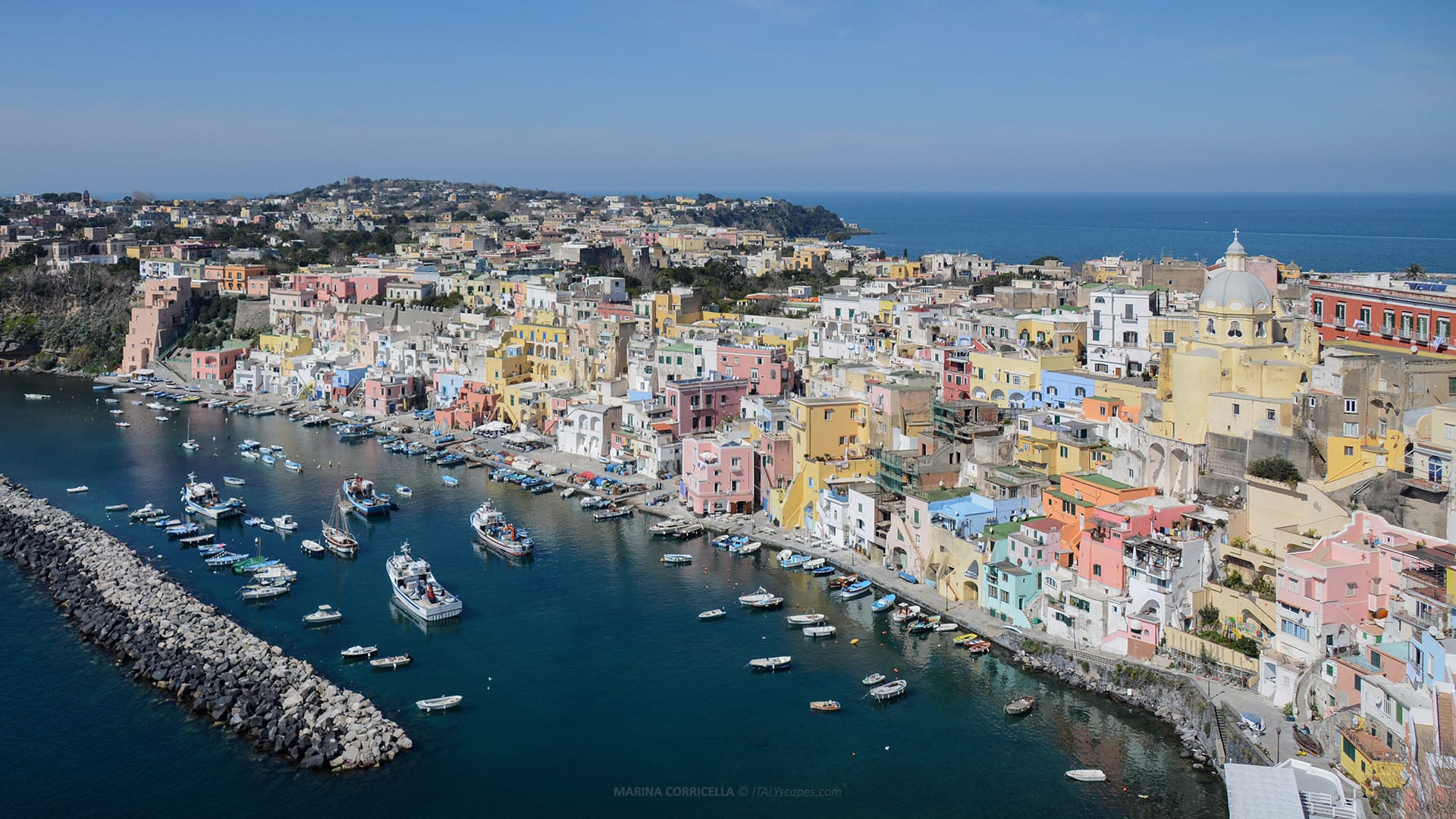
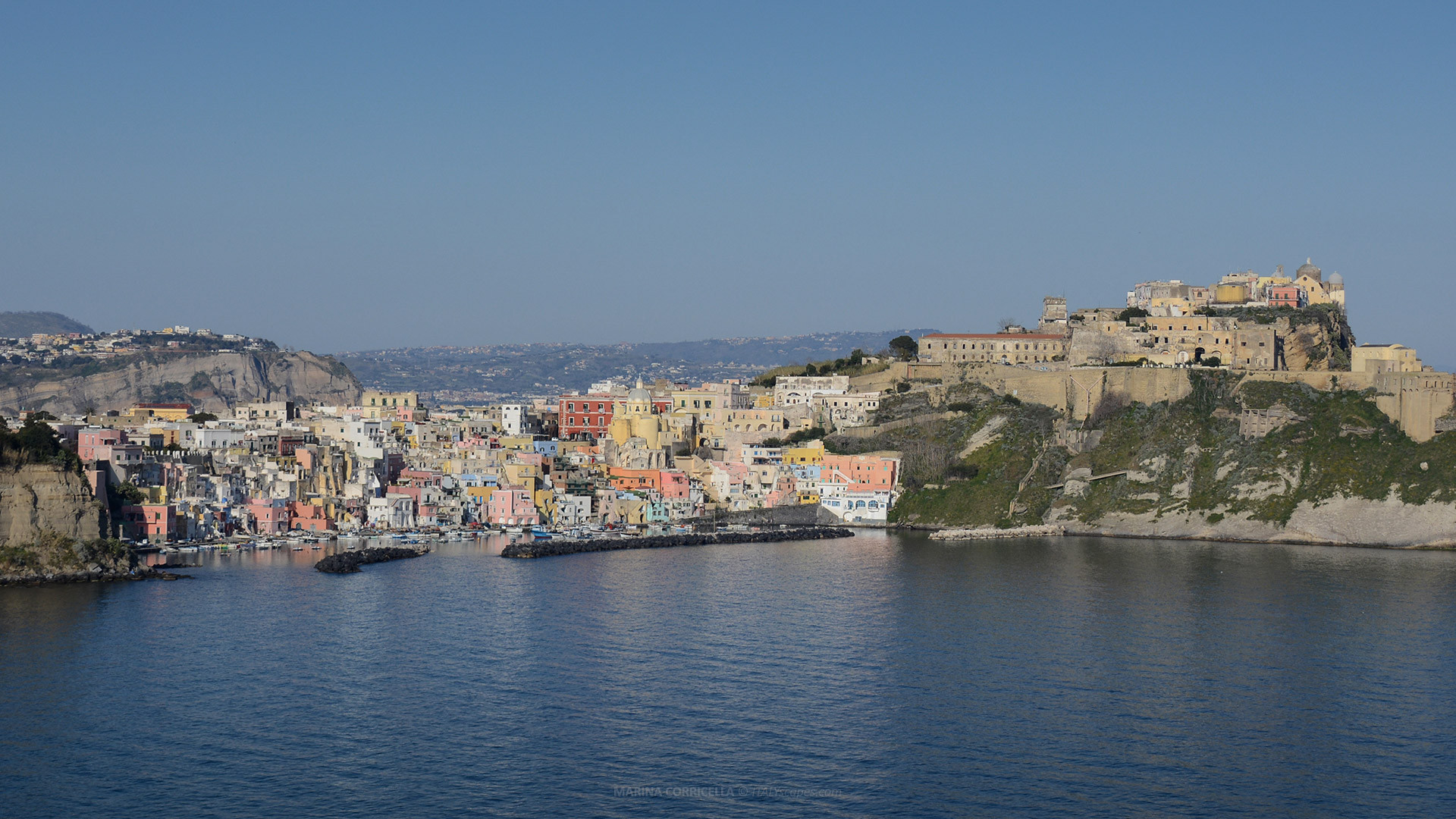
Nestled on the gentle shores of the Gulf of Naples, Marina Corricella stands out as the most picturesque and evocative corner of Procida.
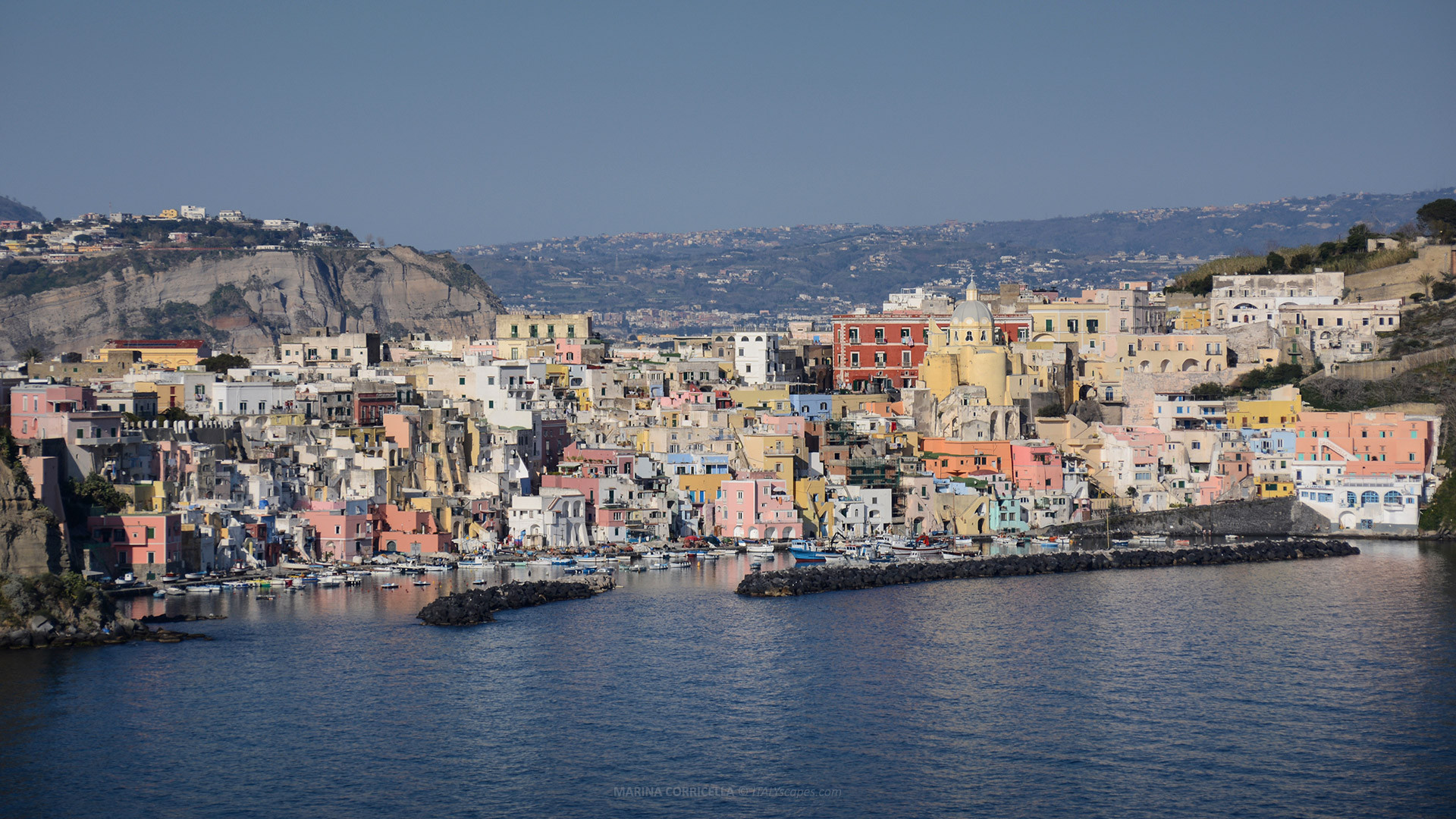
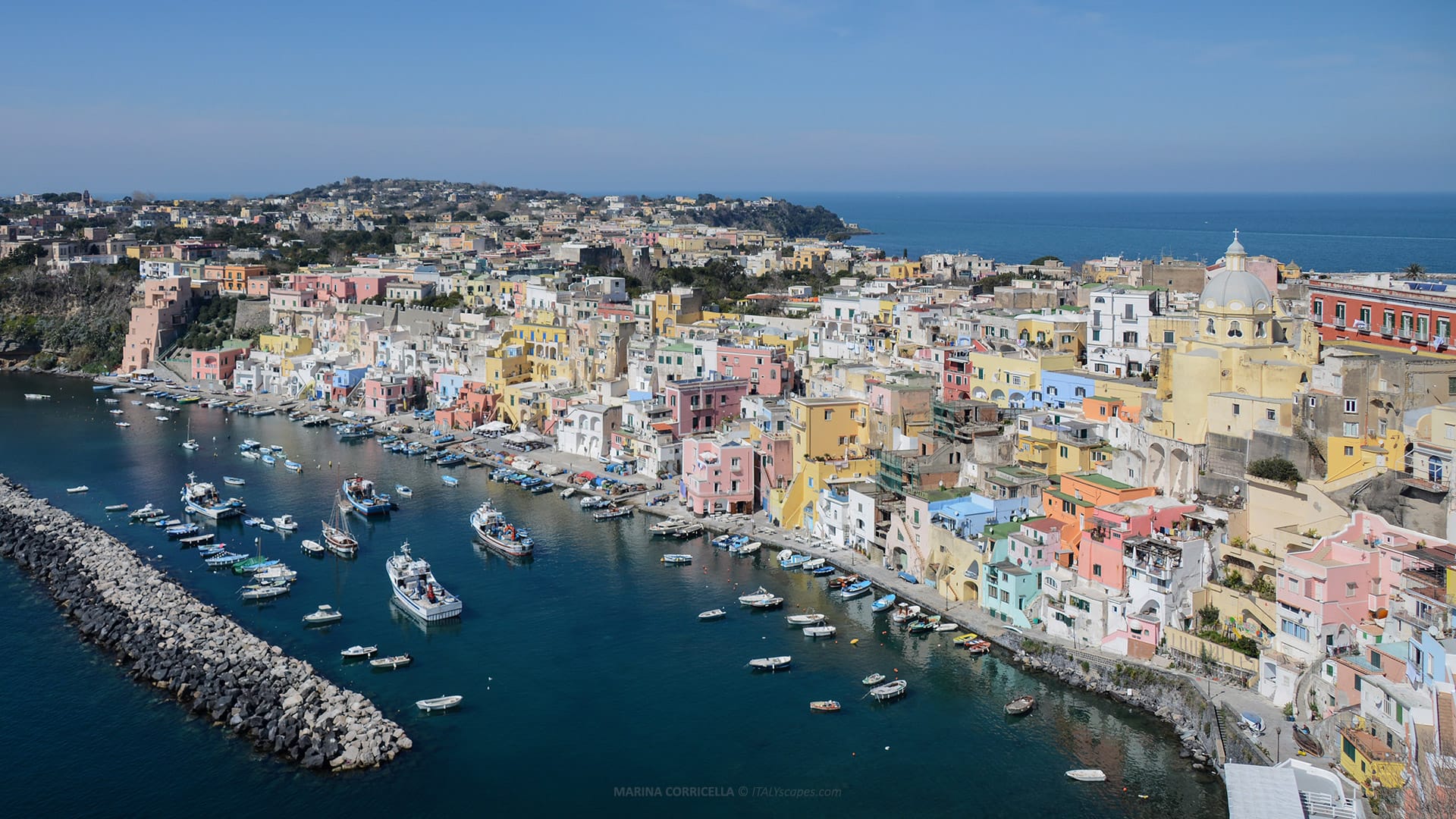
More than just a port, it is a living postcard: pastel-colored fishermen’s houses stacked amphitheatrically above the water, narrow alleys that descend like stairways from the hilltop, and an intoxicating blend of sea breezes, quietude, and Mediterranean charm.
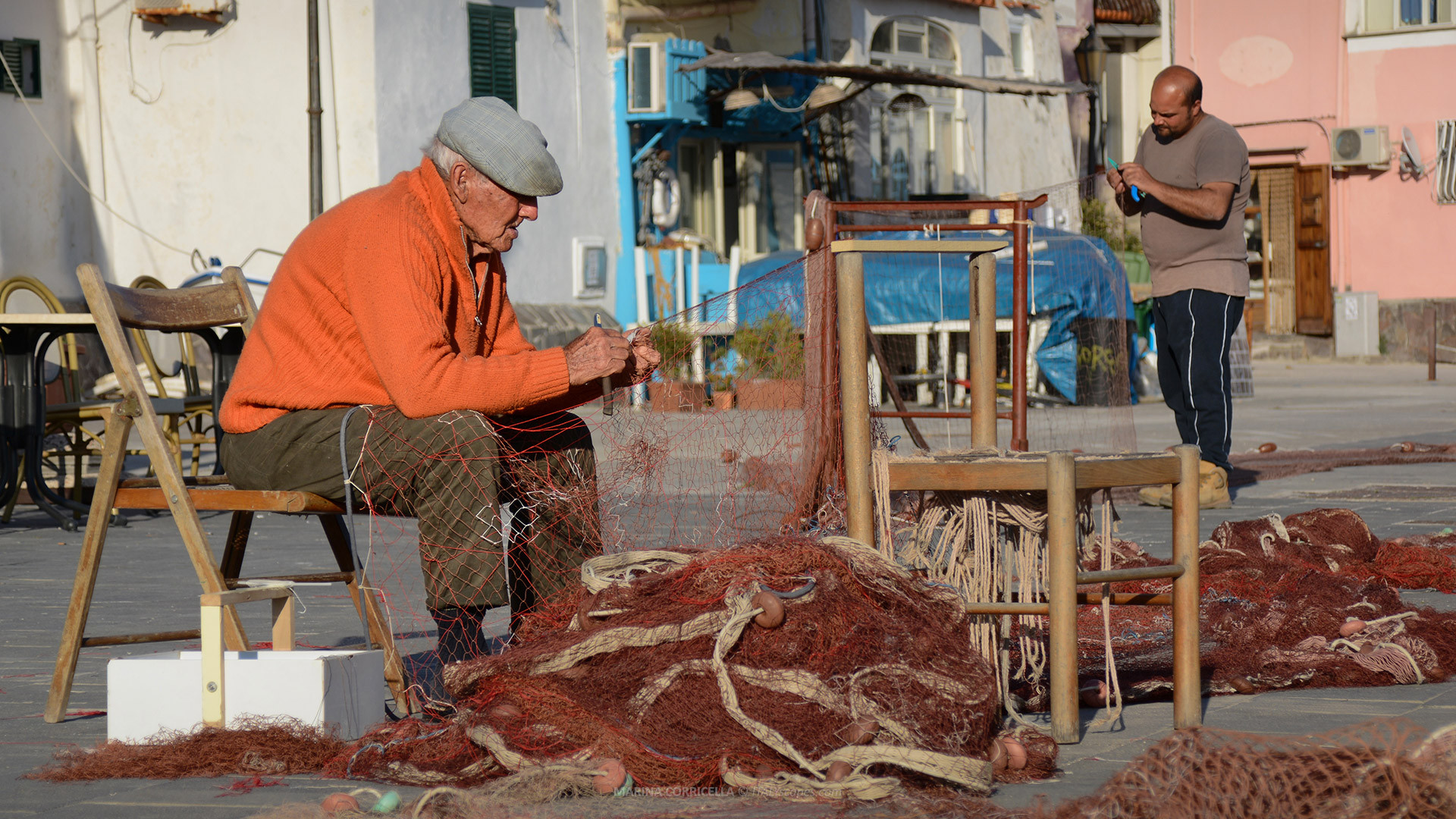
Here, locals still moor fishing nets by the quay, wooden boats drift gently, and the painted façades shine in soft light, reminding the visitor that some places still preserve the dream of a slower, simpler life.
Description of Marina Corricella
A Seventeenth-Century Fishing Village
Marina Corricella is the oldest fishing village on Procida, its origins dating back to the 17th century.
Its layout defies ordinary urban patterns: instead of orderly streets, here buildings cascade in a natural amphitheatre around the sea. Houses, arches, loggias, domes, narrow stairways, and multicolored façades stack upon each other – creating a labyrinthine panorama.
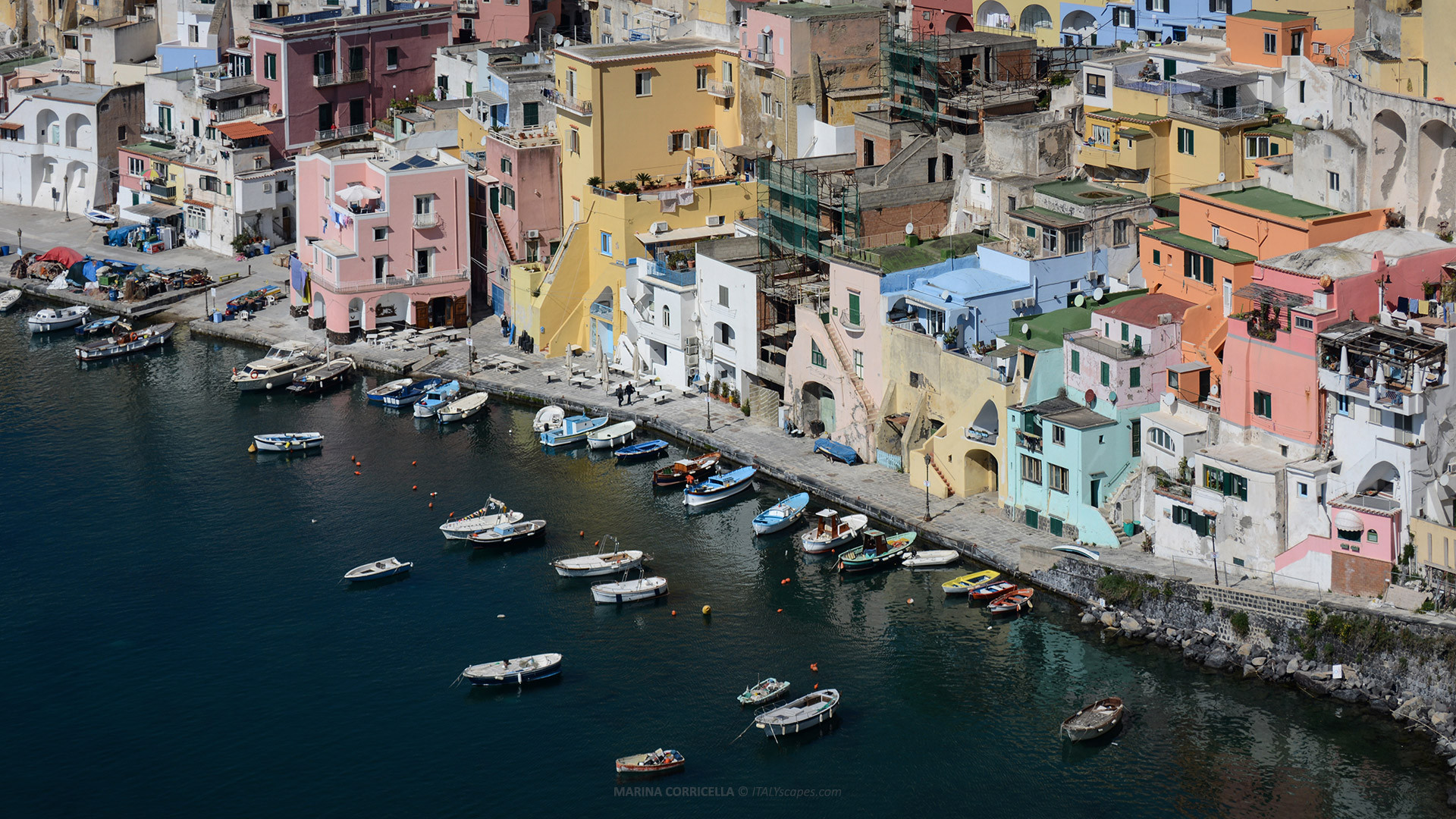
Walking through Marina Corricella feels like passing through a painting: the sun hits pastel walls in shades of pink, yellow, sea-foam green and baby blue.
The harbour is small and intimate, filled with wooden fishing boats and small leisure craft. Nets, baskets, and the occasional barrel line the quay – simple traces of the fishing life that still persists.
Car-Free, Amphitheatrical, TimelessOne of Marina Corricella’s most distinctive features is the absence of cars and motor vehicles. Like Venice or other historic islands, it has narrow alleys and steep stairways; vehicles simply cannot reach the heart of the village.
Access to different levels of the village is provided by a set of stairways rather than roads. Two of the main pedestrian paths are the Gradinata del Pennino (from Via San Rocco) and the Gradinata Scura (from Via M. Scotti), which wind down the hill to the harbour below.
A Living PlaceMarina Corricella isn’t just for sightseeing: it lives. Seafood restaurants, cozy bars, B&Bs and small hotels occupy the quay and the cliffs above.
Fresh catches arrive daily by boat; fishermen mend nets; the simplest of routines becomes part of the charm. Eating fresh seafood by the water at sunset, with pastel houses in the background – that is part of the magic of Corricella.
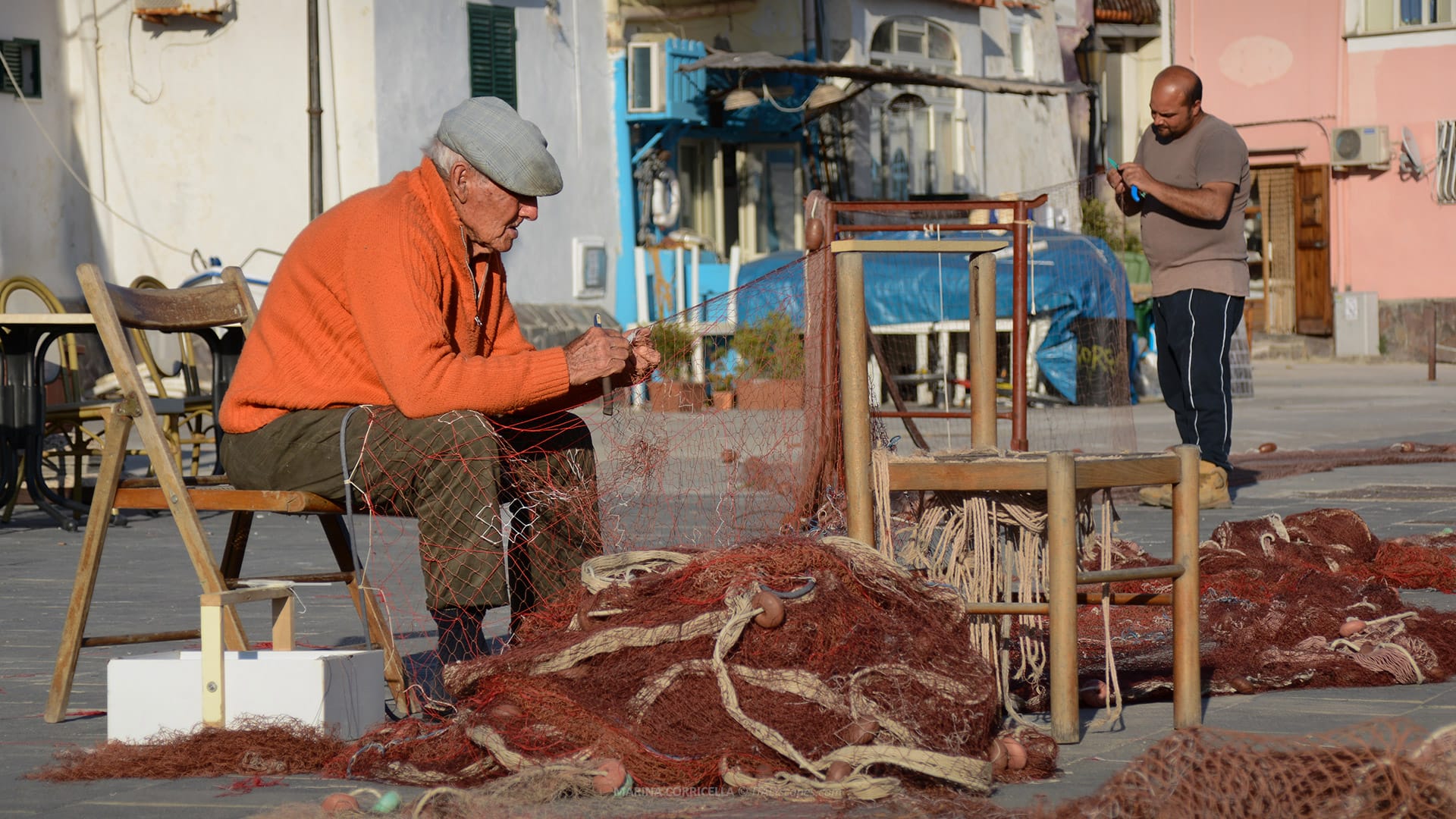
Fishermen mending nets on the waterfront of Marina Corricella
A Cinematic Setting
Part of Marina Corricella’s appeal lies in its cinematic reputation. The harbour was used in the celebrated 1994 film Il Postino (The Postman), and also appears in The Talented Mr. Ripley, among other films.
These works carried the village’s image around the world – pastel houses, narrow alleys, sea-warmed stones and dreamy light. Many visitors arrive expecting to find the “movie set” version of Corricella – and often they do.
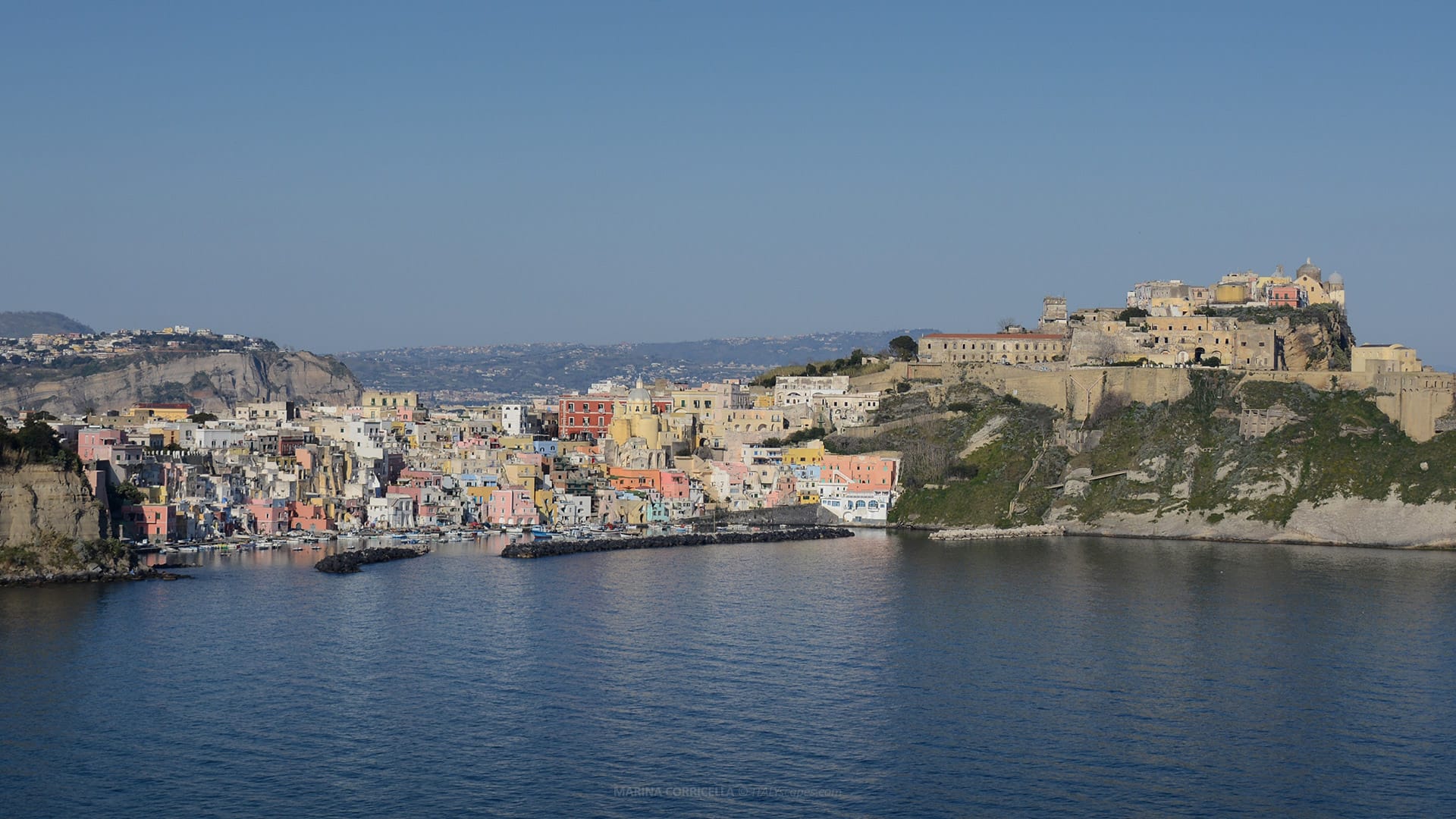
Marina Corricella, seen from the Elsa Morante Belvedere
TIP: The finest view of Marina Corricella can be admired from the southern side of the bay, along Via Pizzaco, between Punta dei Monaci to the north and Punta di Pizzaco to the south. Here you’ll find a belvedere dedicated to the Italian novelist Elsa Morante – unquestionably the most breathtaking panoramic vantage point on the entire island.
How to Get to Marina Corricella
The first step to reaching Marina Corricella is to travel to the island of Procida itself. Ferries and hydrofoils depart regularly from Naples and the nearby mainland port of Pozzuoli.
Depending on the service and departure port, the crossing takes between approximately 25 and 45 minutes.
If you leave from Naples (Naples Beverello or other Naples port), or from Pozzuoli, you will arrive at Marina Grande, the main harbour of Procida.
Once disembarked at Marina Grande, you have two main ways to reach Marina Corricella: walking or public bus.
On Foot: From Marina Grande, follow Via Roma, then turn onto Via Vittorio Emanuele, continue to Via Principe Umberto, then Via San Rocco and descend Via Discesa Graziella (or one of the stairways leading down).
This route is about 1 kilometre and will take roughly 10–15 minutes on foot (depending on pace and luggage). Local signage can help guide you. This is the same pathway described by many travel guides as the “classic pedestrian route.”
By Bus (or taxi / micro-taxi): The local bus service (line C2) connects Marina Grande with Via San Rocco / Piazza dei Martiri – a spot roughly 200 metres from the harbour of Corricella. From the bus stop, it’s a short walk down stairways or alleys to reach the waterfront.
Because Marina Corricella is accessed only by foot, boat, or bus – never by car – the final stretch is always pedestrian, contributing to its timeless and peaceful atmosphere.
Once you arrive at the water’s edge, you’ll be greeted by the cluster of pastel buildings rising steeply above a tiny, boat-filled harbour. Narrow stone stairs climb upward, cafés front the sea, fishing boats rest beside nets, and every corner offers a postcard-like view.
Sources: -
Photos
-
Map
-
Reviews