
Table of Contents
Italy is one of the world’s greatest culinary destinations – a country where food is history, culture, passion, and daily life.
Every region has its own flavors, ingredients, and traditional recipes. From pasta to pizza, seafood and cheeses, Italian cuisine is diverse and unforgettable.
If you’re planning a trip and wondering what to eat in Italy, this guide lists the top 11 Italian foods everyone should try at least once. These are dishes that Italy is famous for worldwide, but there is nothing like tasting them in their place of origin.
The Mediterranean Foundation of Italian Cuisine
Italian cuisine is a core pillar of the Mediterranean diet, widely recognized as one of the healthiest in the world. It focuses on:
- Fresh vegetables: tomatoes, eggplants, zucchini, leafy greens
- Healthy fats: especially cold-pressed extra-virgin olive oil
- Whole grains, pasta, bread, and legumes
- Moderate amounts of fish, cheese, and lean meats
- Herbs instead of heavy sauces or artificial flavorings
The Mediterranean diet became famous after studies showed lower rates of heart disease and longer life expectancy in regions such as Italy and Greece.
Italians have been cooking this way naturally for centuries: fresh seasonal food, simple recipes, and minimal processing.
Olive oil plays a starring role in nearly every region. Whether drizzled on salad in Tuscany, used to cook fish in Naples, or poured over warm bread in Puglia, high-quality olive oil is a symbol of Italian culture and authenticity.
Italian Foods Change From Region to Region
One of the most interesting facts about Italian cuisine is how different the food can be between cities only a few hours apart.
Italy was a collection of independent states until the 19th century, so traditions developed separately. For example:
- Northern regions use butter, cheese, rice, and polenta more often.
- Southern regions rely on tomatoes, olive oil, seafood, and wheat.
- Island cuisine blends Arab, Spanish, and Mediterranean influences.
Why Italian Foods Stand Out
Italian cuisine is respected worldwide because it focuses on authenticity:
- Seasonal ingredients
- Traditional techniques
- Regional identity
- Balanced nutrition
- Simple recipes with strong flavor
Whether you enjoy a creamy risotto in Milan, handmade pasta in Bologna, or fresh seafood in Sicily, Italian food always reflects love for the land and respect for ingredients.
11. Ribollita (Tuscany)
Ribollita, which literally means “reboiled,” is a rustic Tuscan soup that began as a peasant’s meal. Traditionally made by reheating leftover minestrone or vegetable soup, it’s thickened with day-old bread instead of pasta or rice. The core ingredients – cannellini beans, kale, carrots, onions, and potatoes.
Ribollita embodies the Italian philosophy of cucina povera – transforming humble ingredients into something nourishing and full of flavor. Eaten on cool evenings in Florence or Siena, it captures the warmth and simplicity of Tuscan life.
10. Ossobuco alla Milanese (Lombardy)
This dish from Milan literally translates to “bone with a hole,” referring to the marrow-filled veal shanks braised slowly until tender. Ossobuco is cooked with white wine, onions, carrots, celery, and broth, often finished with a sprinkle of gremolata – a zesty mix of lemon zest, garlic, and parsley.
It’s typically served with Risotto alla Milanese, creating one of Italy’s most elegant pairings: creamy saffron rice absorbing the luscious juices of the veal. The marrow is the soul of the dish – rich, silky, and deeply satisfying.

9. Pappardelle al Cinghiale (Tuscany & Umbria)
Pappardelle are wide ribbons of egg pasta, perfectly suited for heavy meat sauces. In central Italy, particularly in Tuscany and Umbria, they are often served with a wild boar (cinghiale) ragù.
The sauce is slow-cooked for hours with red wine, juniper berries, rosemary, and tomatoes, giving it an earthy aroma that reflects the rugged hills and forests of the region. The result is a deeply flavorful, gamey dish that pairs wonderfully with a glass of Chianti.
8. Pasta alla Norma (Sicily)
Hailing from Catania, this Sicilian masterpiece balances the Mediterranean’s brightest flavors: fried eggplant, tomato sauce, basil, and a generous dusting of ricotta salata (aged salted ricotta).
Named after Vincenzo Bellini’s famous opera Norma, the dish celebrates simplicity and boldness in perfect harmony. The fried eggplant adds richness, the tomato provides acidity, and the ricotta lends a salty tang. It’s a vegetarian dish that’s as indulgent as any meat-based counterpart – pure Sicilian sunshine on a plate.
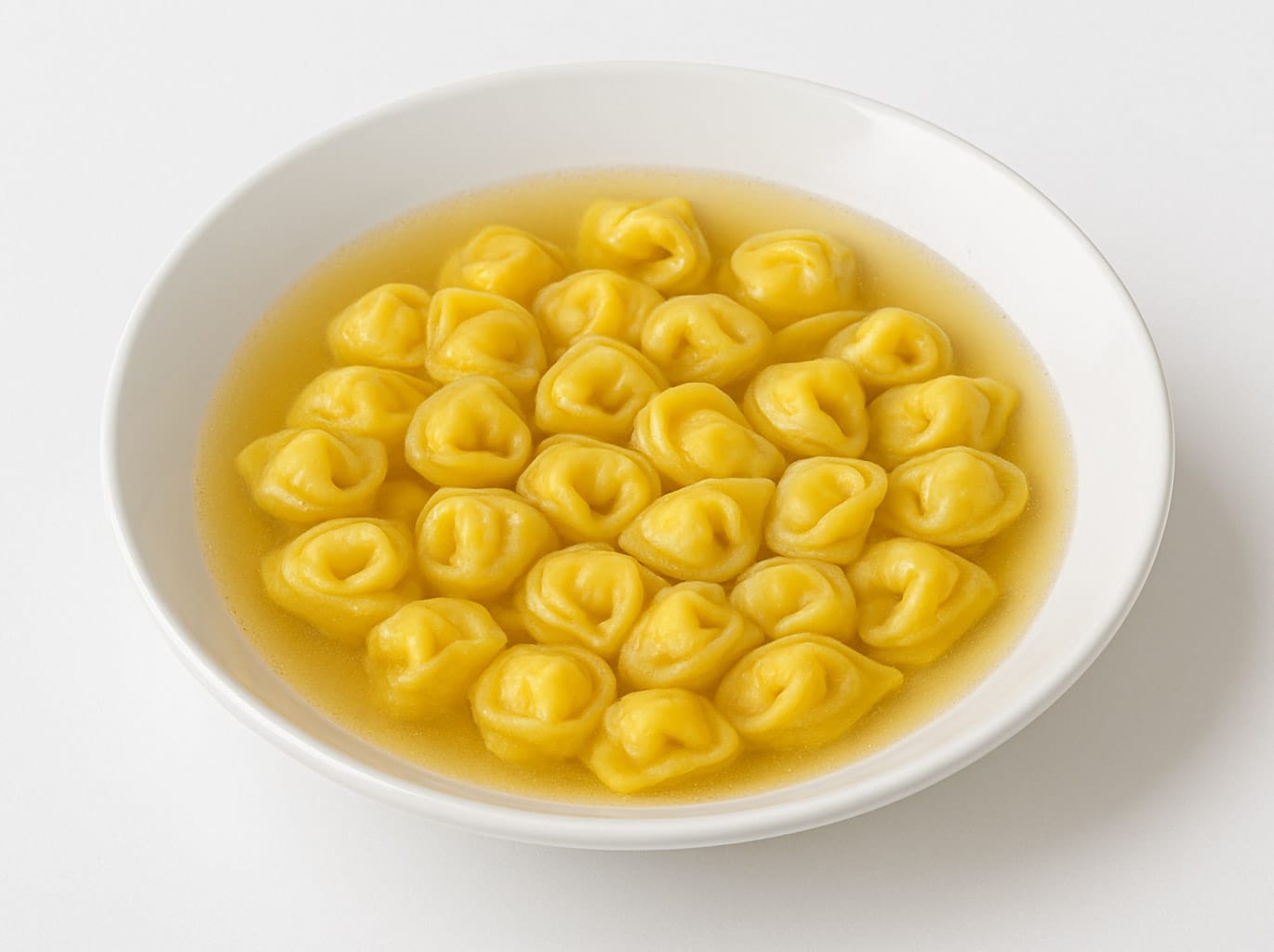
7. Tortellini in Brodo (Emilia-Romagna)
Emilia-Romagna is Italy’s culinary heartland, and tortellini is one of its crown jewels. These tiny, hand-folded pasta parcels are traditionally filled with a mixture of pork loin, mortadella, prosciutto, Parmigiano-Reggiano, and nutmeg.
They are served floating in a delicate, clear broth (brodo di cappone or chicken broth). The key lies in balance – each bite reveals savory depth without overwhelming the palate. In Bologna or Modena, a bowl of tortellini in brodo during winter is pure comfort and tradition combined.
6. Polenta e Frutti di Mare (Northern & Coastal Regions)
Polenta, made from slow-cooked cornmeal, was once a staple of the northern countryside. Today, it’s often elevated into gourmet territory, especially when paired with frutti di mare – a mix of fresh seafood like shrimp, calamari, and mussels sautéed with garlic, white wine, and herbs.
The contrast between the creamy polenta and the briny, delicate seafood is extraordinary. This dish perfectly captures Italy’s dual culinary spirit: the rustic mountain tradition meeting the coastal abundance of the Mediterranean.
5. Bistecca alla Fiorentina (Tuscany)
One of the simplest yet most revered dishes in Italy, Bistecca alla Fiorentina is a massive T-bone steak from the Chianina breed of cattle, native to Tuscany. Grilled over wood or charcoal, it’s seasoned only with coarse salt, olive oil, and occasionally a squeeze of lemon.
Served rare, with a caramelized crust and juicy interior, it’s a celebration of quality meat and mastery of technique. Eating it in Florence’s trattorie – often shared among friends – is a ritual of Italian conviviality and pride.
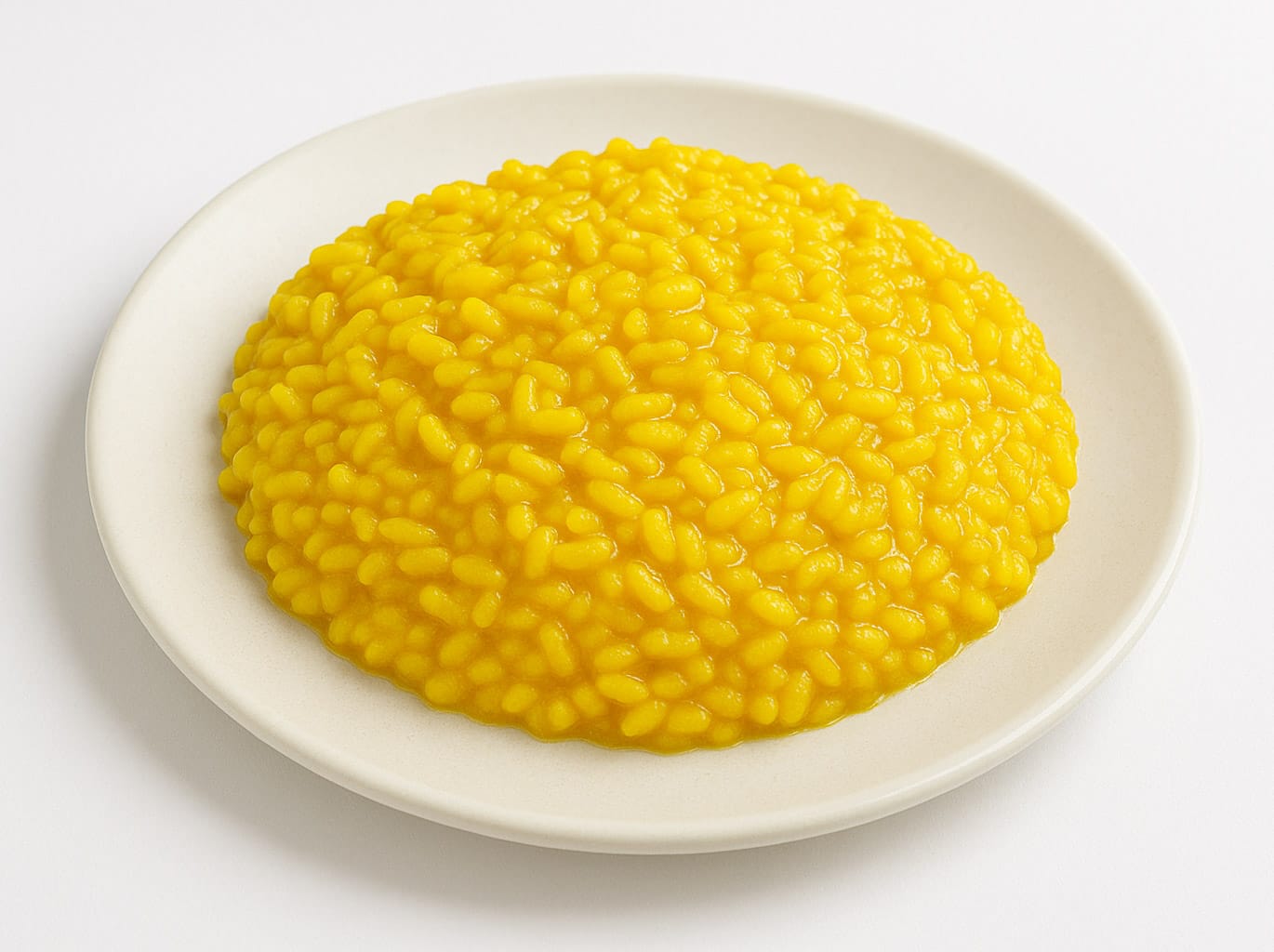
4. Risotto alla Milanese (Lombardy)
Few dishes exemplify Italian precision like Risotto alla Milanese. Each grain of Arborio or Carnaroli rice must be perfectly al dente, enveloped in a creamy, saffron-infused sauce.
Butter, onions, broth, white wine, and Parmigiano Reggiano create a luxurious foundation, while the saffron gives it its unmistakable golden hue. It’s not just a side dish but a centerpiece of Milanese cuisine – rich, aromatic, and elegantly simple.
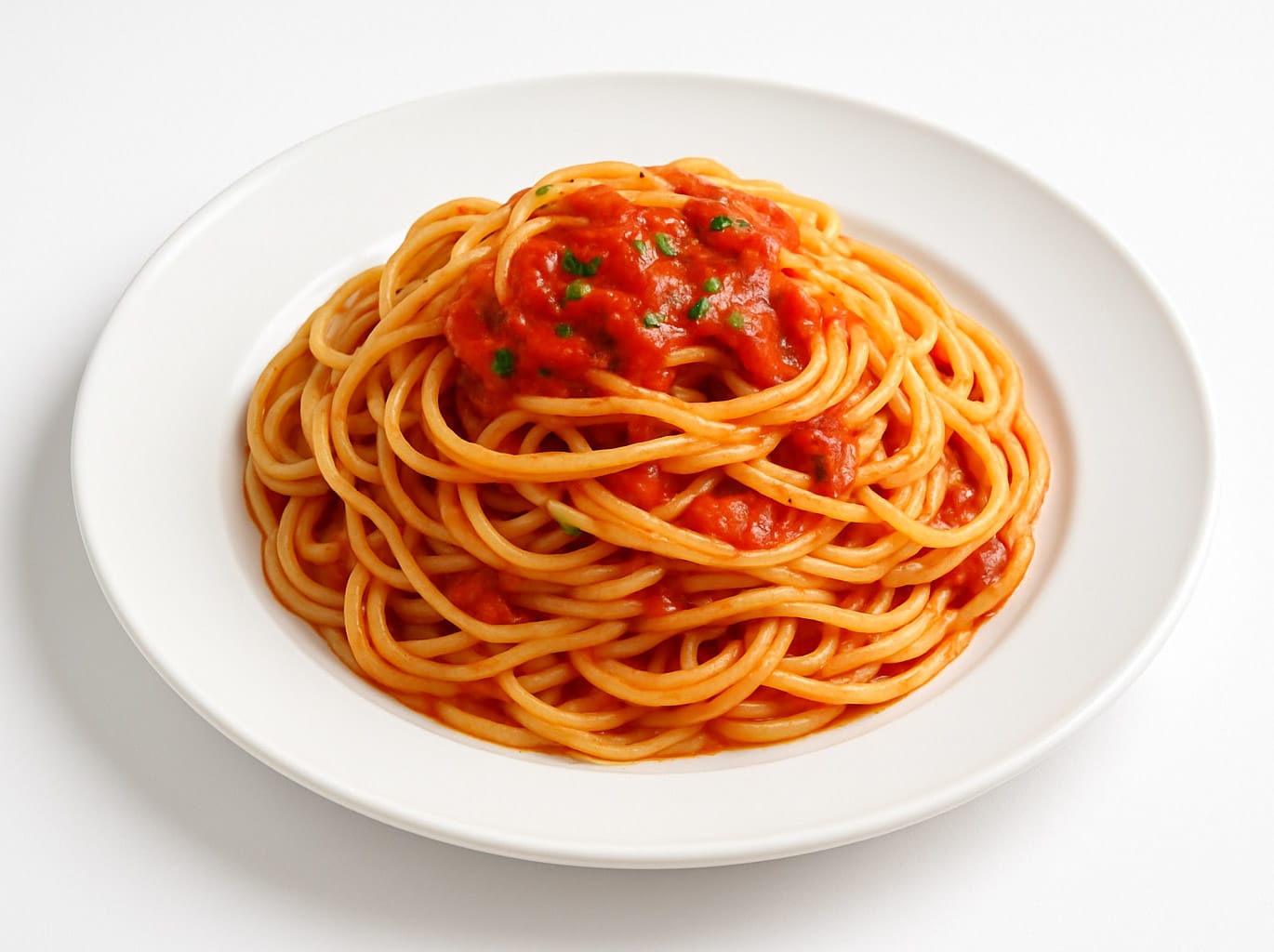
3. Spaghetti alle Vongole (Campania)
A Neapolitan classic, Spaghetti alle Vongole (spaghetti with clams) is the embodiment of coastal Italian cooking – minimalist yet intensely flavorful. Fresh clams are steamed open in olive oil, garlic, chili, and white wine, then tossed with spaghetti until the sauce emulsifies into perfection.
Some versions include a touch of tomato, others remain pure and white (in bianco). The secret lies in using the freshest clams and perfectly timing the pasta. One bite transports you straight to a seaside trattoria along the Amalfi Coast.
2. Tagliatelle al Ragù alla Bolognese (Emilia-Romagna)
Forget what you know about “spaghetti Bolognese”. The authentic version – Tagliatelle al Ragù alla Bolognese – is an entirely different experience. The sauce is a slow-simmered masterpiece of minced beef and pork, pancetta, soffritto (onion, celery, carrot), tomato paste, white wine, and milk.
Served over fresh egg tagliatelle, the ragù clings to the wide noodles perfectly, delivering a rich, layered flavor that no quick sauce can match. In Bologna, this dish is a point of civic pride – a symbol of patience, craftsmanship, and authenticity.
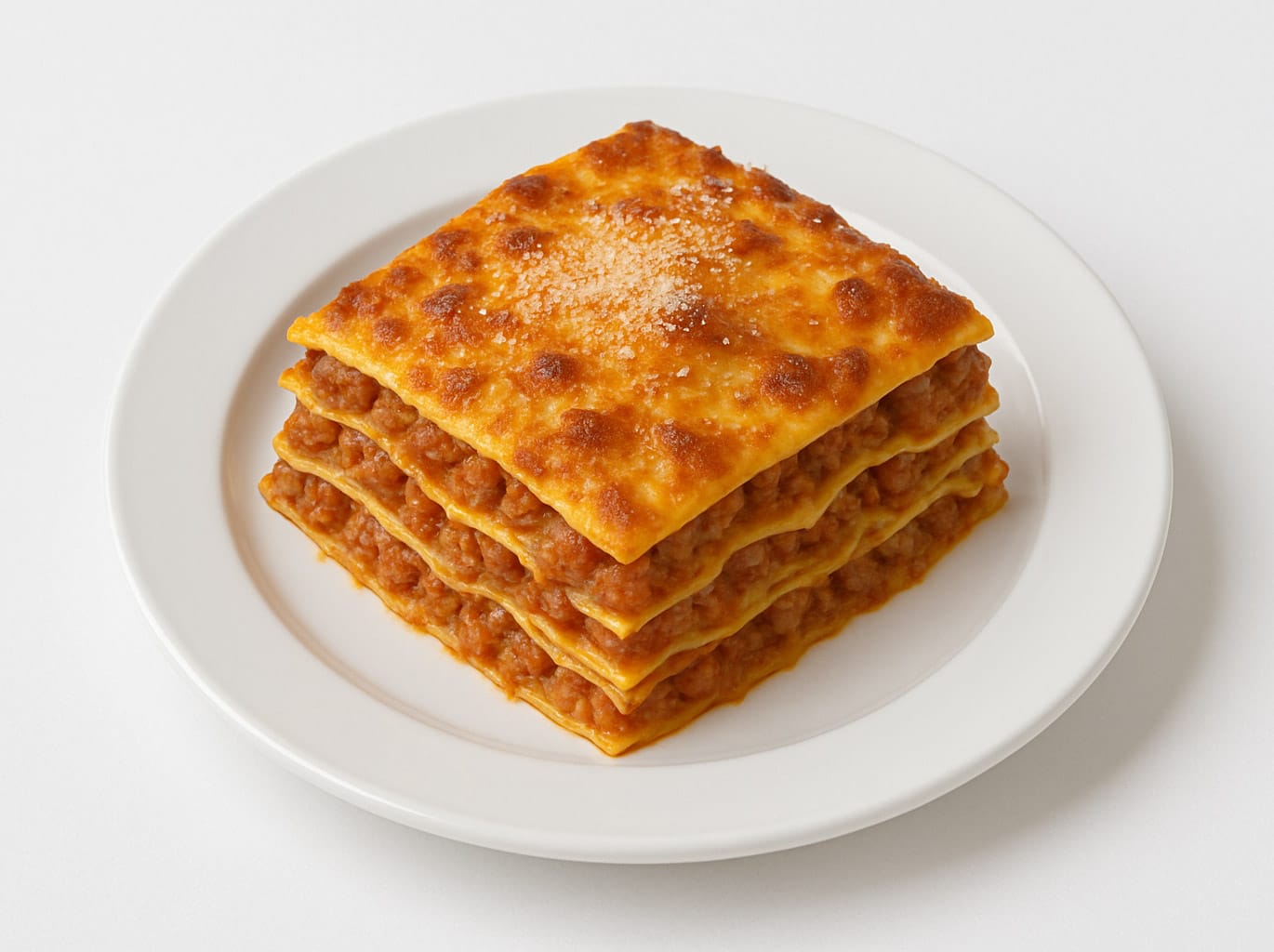
1. Lasagna alla Bolognese (Emilia-Romagna)
At the very top sits Lasagna alla Bolognese, the epitome of Italian comfort and sophistication. Unlike its global imitations, the real Bolognese lasagna is built with sheets of fresh spinach pasta layered with ragù, besciamella (béchamel sauce), and Parmigiano-Reggiano.
Baked slowly until bubbling and golden, each layer melds into the next, balancing richness and refinement. The ragù is deep and meaty, the béchamel smooth and delicate, and the Parmigiano adds just the right saltiness.
Originating in Emilia-Romagna, this dish represents the perfect union of Italy’s culinary virtues – craftsmanship, regional pride, and the unwavering pursuit of harmony on a plate.
Italian Foods Are More Than Just Meals – They’re a Celebration of Culture and Passion
Italian cuisine is a journey through history, geography, culture, and Mediterranean tradition. Every region has something unique: Alpine cheeses in the north, olive groves in Puglia, seafood in Venice, citrus in Sicily, and world-class pasta everywhere in between.
This dedication to real ingredients, slow cooking, and local heritage is what makes Italian food timeless.
From family kitchens to Michelin-starred restaurants, Italy continues to inspire the world with authentic flavor and healthy Mediterranean principles.
Source of images: ChatGPT


