


-
About
Table of Contents
Palio di Siena 2026 will take place, as tradition requires, twice during the summer of 2026 in the spectacular medieval heart of Siena.
This world-famous Italian festival remains one of the most important cultural events in Europe, attracting thousands of spectators who want to experience history, pageantry, medieval rivalry, and one of the most dramatic horse races ever held.
The two races scheduled for 2026 are:
- Palio di Provenzano 2026 will be held on July 2
- Palio dell’Assunta 2026 will be held on August 16
Both editions take place in Piazza del Campo, one of the most beautiful and architecturally significant squares in Italy.The Palio is dedicated to the Virgin Mary: the July race honors the Madonna of Provenzano, while the August race celebrates the Assumption of the Virgin Mary.
For tourists planning to visit the Tuscan city for the Palio di Siena 2026, this guide provides an accurate, detailed overview of everything that makes this medieval tradition so unique.

When Will Palio di Siena 2026 Take Place?
The Palio di Siena 2026 will once again be celebrated on its traditional summer dates.
The first race, known as Palio di Provenzano, will be held on July 2, 2026, which falls on a Wednesday.
The second race of the year, Palio dell’Assunta, will take place on August 16, 2026, a Saturday.
These dates never change from year to year, as the Palio is deeply connected to local religious celebrations and centuries-old customs.
Where Will Palio di Siena 2026 Be Held?
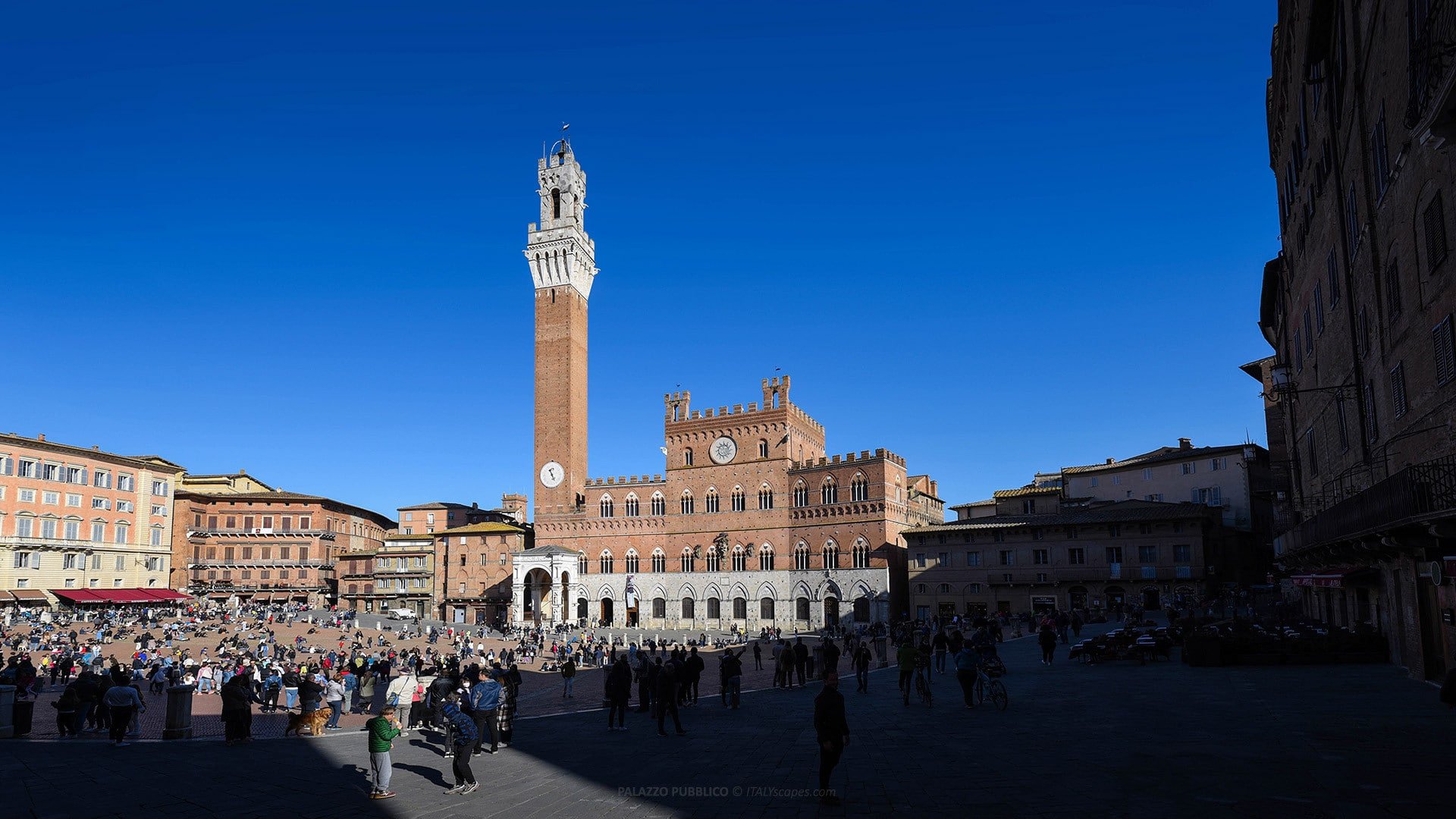
The Palio takes place in Piazza del Campo, the historical center of Siena. The square is famous for its shell-shaped form and elegant medieval architecture.
When the Palio is hosted, tons of sand are brought into the square to create a racing track along the edges, while the center fills with thousands of spectators.
Piazza del Campo is considered one of the most harmonious squares in Europe and is protected as a UNESCO heritage site due to its historical and architectural value.
The square has hosted public events for centuries, including markets, celebrations, and large civic gatherings.
What Is the Palio di Siena and Why Is It So Famous?
The Palio is not simply a horse race. It is the cultural heart of Siena, a symbol of identity, pride, and rivalry between neighborhoods called contrade.
Each contrada has its own flag, colors, animal symbol, church, museum, and strong sense of belonging.
Because of this, the Palio is not organized as a modern commercial event. There are no corporate sponsors, no advertisements, and no tourism-driven modifications. It remains authentic, traditional, and deeply emotional for the Sienese people.
The race itself lasts about 90 seconds, but the preparation takes months and involves ceremonies, blessings, community gatherings, and traditional rituals that date back centuries.

A Short History of Palio di Siena
The origins of the race go back to the 13th century, when different contrade competed as part of religious celebrations dedicated to Mary of the Assumption, Siena’s patron saint.
Originally, Siena had many more contrade than today. After the devastating plague of 1347, the population dropped sharply, and the number of contrade reduced to about 42.
Throughout the Middle Ages, they competed in various games, including bullfighting, jousting, and donkey races.
A major turning point came in 1605, when captain Sigismondo Santi and knight Fortunio Martini proposed moving the event to the grand Piazza del Campo.
From the 17th century onward, the Palio evolved into an organized horse race inside the square, becoming a defining tradition of the city.
When Was the Second Palio Added?
Originally, only one annual race existed. In 1701, Contrada dell’Oca (the Goose) asked the Municipality to introduce a second Palio in August in honor of the Assumption of the Virgin Mary.
The request was accepted, and from the early 18th century forward, the city held two annual races.
How Many Contrade Exist Today?
In 1729, Violante of Bavaria, governor of Siena, reorganized and formalized the borders of each contrada, reducing the number to 17. Those same 17 contrade still exist today.
The 17 Contrade of Siena
Each contrada represents a specific area of the city and has its own identity, traditions, and colors:
- Aquila (Eagle)
- Bruco (Caterpillar)
- Chiocciola (Snail)
- Civetta (Little Owl)
- Drago (Dragon)
- Giraffa (Giraffe)
- Istrice (Crested Porcupine)
- Leocorno (Unicorn)
- Lupa (She-Wolf)
- Nicchio (Seashell)
- Oca (Goose)
- Onda (Wave)
- Pantera (Panther)
- Selva (Forest)
- Tartuca (Tortoise)
- Torre (Tower)
- Valdimontone (Valley of the Ram)
However, only 10 contrade race in each Palio.How Are the Participants Selected?
- 7 contrade participate automatically (those absent the previous year)
- 3 more are chosen by public lottery
- Horses are not owned by the contrade; they are assigned randomly through a ceremony called La Tratta
- Every horse must first pass health and eligibility tests
This system preserves fairness and unpredictability, and it ensures that even weaker or smaller contrade can sometimes win.
How the Palio of Siena Works Today
Months of Preparation
The Palio is not just a one-day event. Preparations start long before the official race, including selecting the jockey (fantino), training the horse, raising funds, organizing dinners and celebrations, and hosting public gatherings inside the contrade.
Winning the Palio is considered a point of honor that can define a year – or even a generation – for the neighborhood.
The Assignment of the Horses – La Tratta
Three days before each race, eligible horses are tested for fitness. After the tests, a public ceremony takes place in Piazza del Campo: horses are assigned to contrade by random draw.
This is one of the most emotional moments of the festival. Some contrade celebrate wildly; others remain silent or upset if the horse seems weak.
Test Races
Before the official Palio, six test races are held. Their purpose is not to win, but to allow jockeys to understand the horse, study the track, and finalize strategies.
The Historical Parade – Corteo Storico
Hours before the race, Piazza del Campo fills with thousands of spectators. The Corteo Storico begins in Piazza del Duomo and marches through the medieval streets toward Piazza del Campo.
The parade includes representatives of all 17 contrade, traditional musicians, medieval costumes, flag wavers, the civic institutions of the ancient Republic of Siena, and Carabinieri cavalry unit entering the square at full gallop.
Around 700 participants take part. Even spectators who cannot see the race come just to witness this procession.
The Race: 90 Seconds of Chaos and Passion
Once the horses enter the track, they must complete three laps around Piazza del Campo. The race is famously intense, riders often race bareback, there are no rules that prevent blocking or striking other jockeys.
A horse may win even without its jockey, if it crosses the finish line first. Crashes are common, especially at the dangerous San Martino curve.
The crowd screams, drums echo, flags wave, and emotions run high. For locals, the Palio is not entertainment – it is identity, history, faith, loyalty, and ancient rivalry.
The Prize: The Drappellone
The winning contrada receives the Drappellone, a hand-painted silk banner. Each year, a different painter is selected to design it. The artwork always includes symbols of Siena and the Virgin Mary.
For the people of the winning contrada, the Drappellone is a sacred trophy and displayed with pride for years.
After the victory, celebrations continue all night and sometimes for months. Streets fill with singing, feasts, wine, and traditions that connect centuries of Sienese history.
Full Event Schedule for Palio di Siena 2026
Palio di Provenzano – July 2, 2026
- 7:30 AM – Mass of the jockeys (La Messa del Fantino)
- 9:00 AM – Provaccia (the last test race)
- 2:30 PM – Benediction of the horses
- 4:00 PM – Closing of Piazza del Campo
- 5:00 PM – Historical Parade begins
- 7:30 PM – Official race
Palio dell’Assunta – August 16, 2026- 7:30 AM – Mass of the jockeys
- 9:00 AM – Provaccia
- 2:00 PM – Benediction of the horses
- 4:00 PM – Closing of Piazza del Campo
- 5:00 PM – Historical Parade
- 7:00 PM – Official race
Planning a Trip to Palio di Siena 2026
Although the article does not mention tickets, it is useful to know:
- The center of Piazza del Campo is free to enter, but space is extremely limited and often crowded hours in advance.
- Seats on balconies and stands require reservations and are usually arranged through agencies, hotels, or local contacts.
- Siena becomes very busy during Palio days, so accommodation is often booked early.
Travelers visiting Tuscany in summer frequently combine the Palio with trips to Florence, Pisa, and Chianti wine regions.Why Palio di Siena Remains Unique
There are other horse races in Italy and Europe, but none carry the cultural depth or emotional weight of Siena’s Palio.
It survives not because it entertains tourists, but because the Sienese community lives it with devotion. Every detail – from blessings in churches to secret pacts between contrade – is part of a tradition preserved for centuries.
For anyone interested in Italian history, medieval culture, religious festivals, or simply unforgettable travel experiences, Palio di Siena 2026 promises two extraordinary days where the past comes alive in the heart of Tuscany.
-
Photos
-
Video
Table of Contents
-
Map
-
Reviews

